Explore equipment for your inquiry
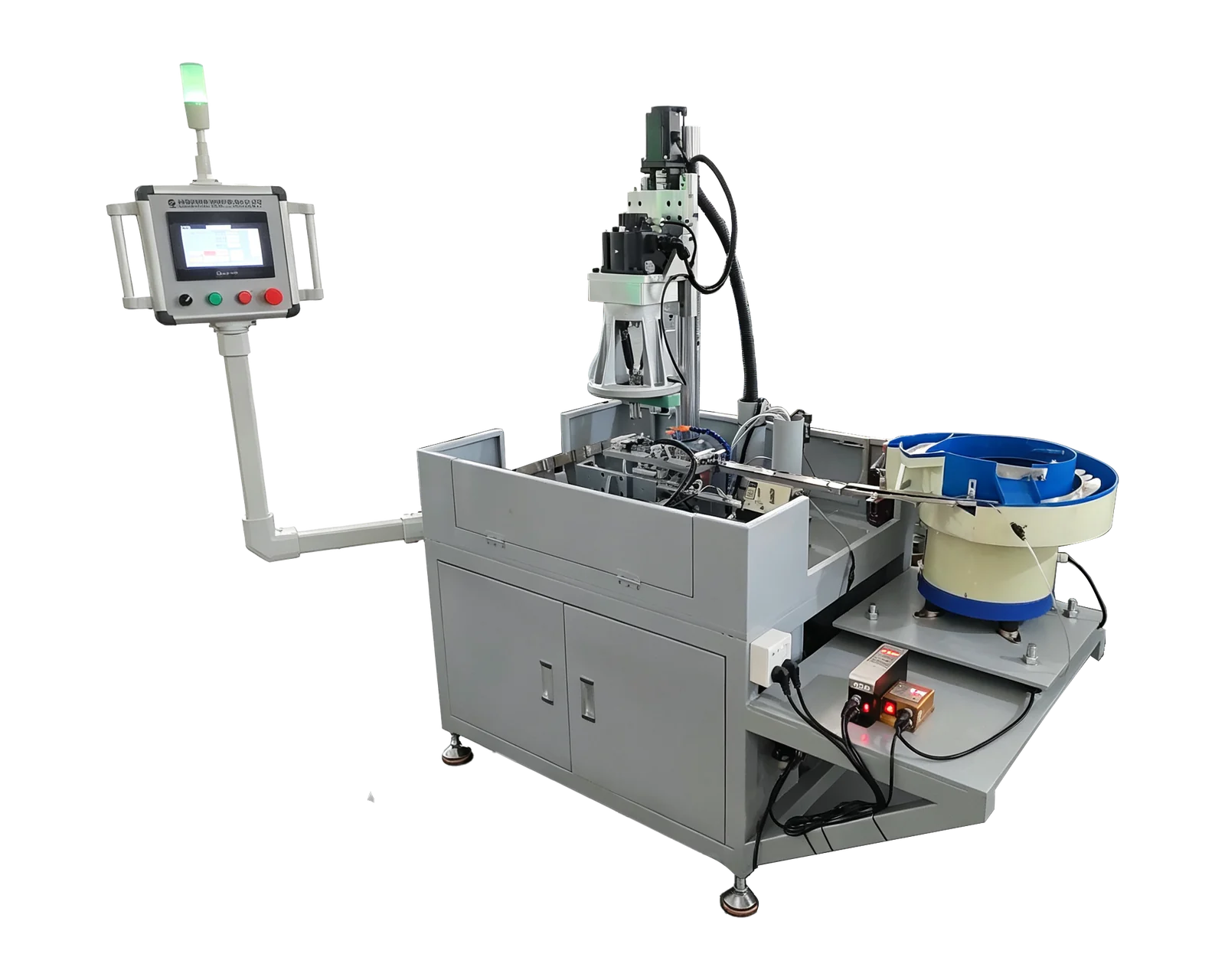
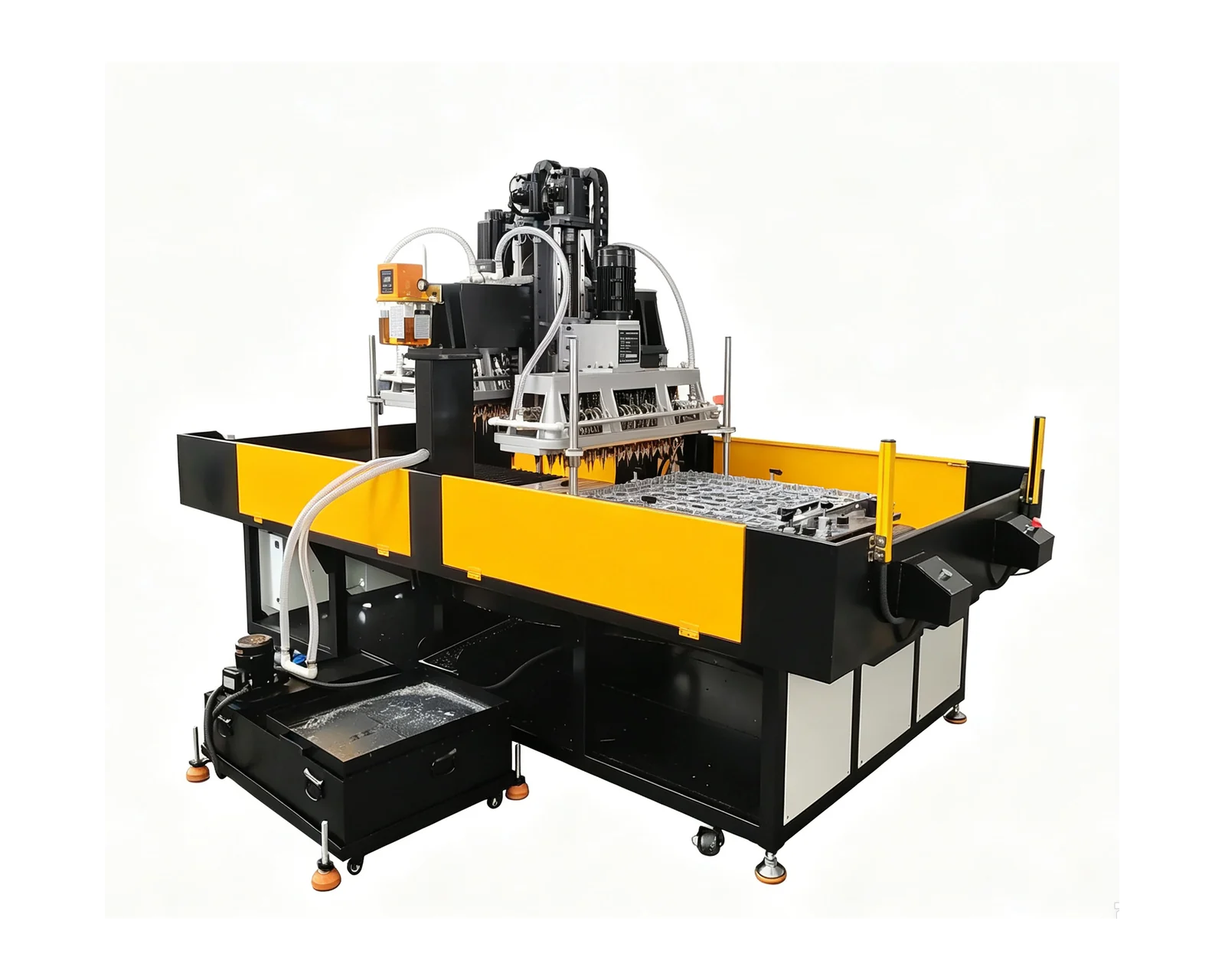
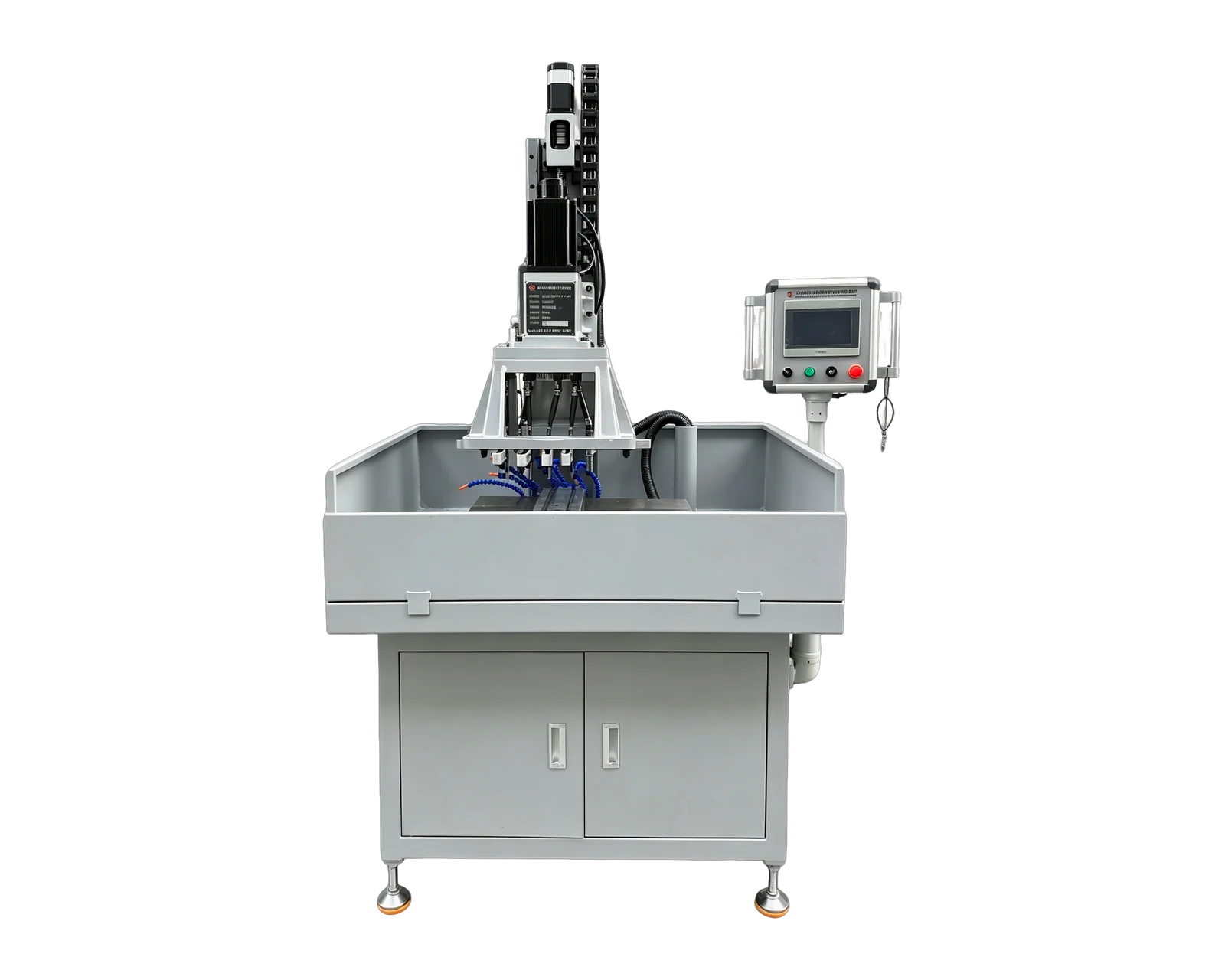
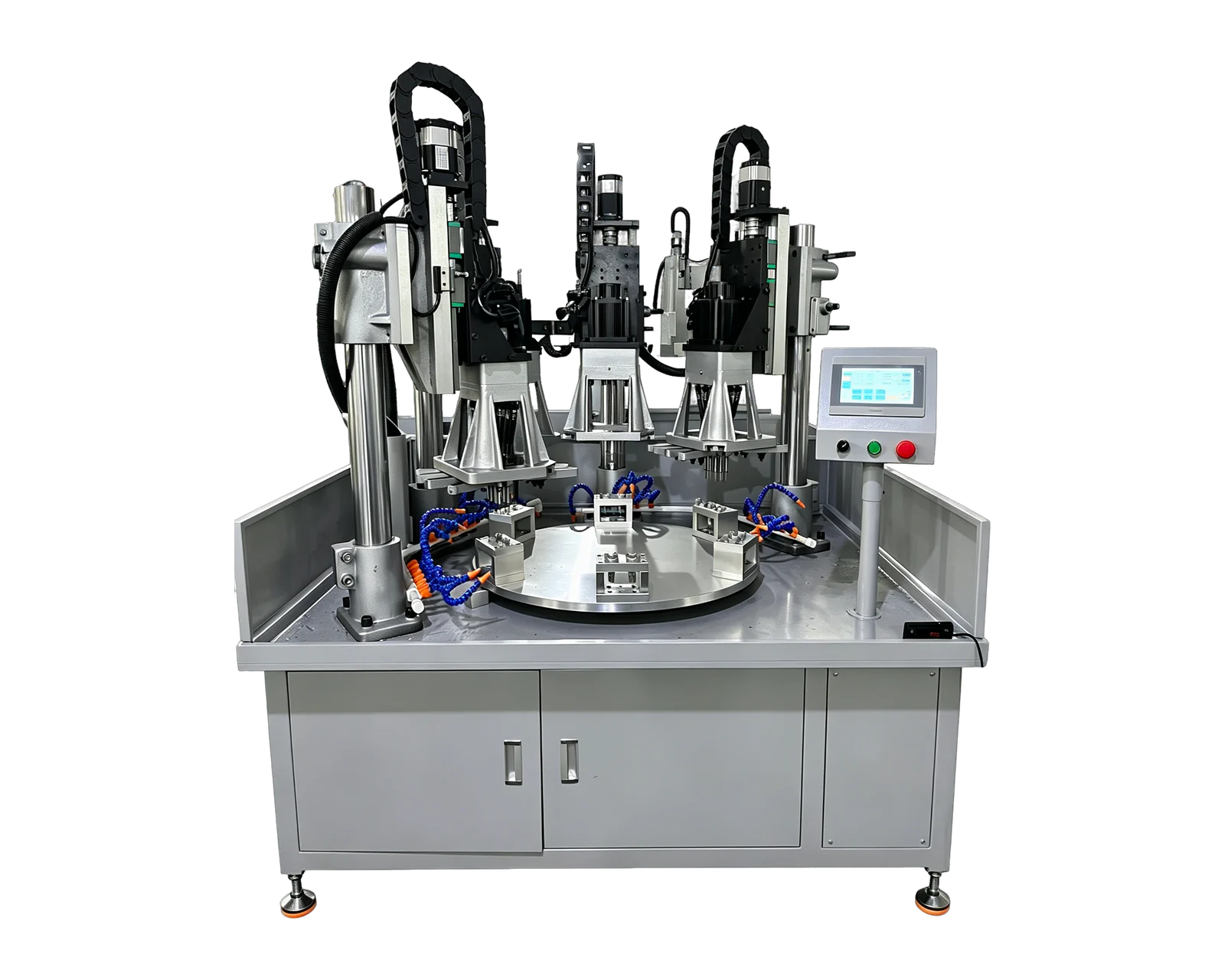
Rotary Indexing Drilling & Tapping →Review the layout options and required part information to define the scope of a custom equipment inquiry.
Agree the inspection basis before the appointment
Use the approved quotation, drawings, configuration list and subsequent written changes as the inspection baseline. Identify the exact part revision and variants covered by the order. Resolve conflicting descriptions before scheduling the demonstration; otherwise the buyer and supplier may arrive with different expectations about what constitutes completion.
BINSING supports factory inspection or a video inspection arranged for the project. Choose the format and agree who can sign off technical results, who records open items and who authorizes any later shipment decision. Factory acceptance, shipment release and final site acceptance can have different conditions. Their relationship should be stated in the order rather than inferred from one signed checklist.
Check the actual configuration against the scope
Identify the machine and compare its tooling, fixtures, loading arrangement and included accessories with the agreed list. For part families, check the supplied change parts and the variants they cover. Record any substitution and obtain the required approval instead of treating a similar-looking component as automatically equivalent.
Review the documentation and support items included in the order, such as operating guidance, maintenance information and the agreed spare-parts list. Ask the supplier to explain the supplied protective functions and operator procedures according to the machine documentation; detailed verification belongs with qualified personnel. Do not ask untrained observers to improvise fault or protective-system tests.
Give every check an acceptance criterion and a record
A checklist is only useful when a result can be compared with a requirement. Fill in project-specific criteria before the inspection. The example below provides record categories; it does not prescribe universal tolerances, sample counts or a guaranteed production rate.
Inspect finished parts as well as machine movement
Use identified parts so measurement results can be traced to the demonstration. Confirm the gauge or measurement method and the person responsible for each check. A close-up of a thread or drilled hole cannot replace the agreed inspection. If a measurement requires equipment unavailable at the inspection, agree where it will be completed and keep that item open.
For a video inspection, plan camera coverage and document sharing before the call. Include a view of loading and discharge where these form part of the scope, and retain the agreed measurement records. If output is being evaluated, record the complete observation conditions. Do not treat a short sequence shown at normal speed as proof of shift output or long-term reliability.
Close issues with evidence and explicit responsibility
For each discrepancy, record the requirement, observed condition, corrective action, owner and proposed recheck. Distinguish documentation items from unresolved functional or dimensional requirements. Agree which items prevent technical acceptance or shipment and which may be handled under a separately approved arrangement; do not leave that decision implied.
After corrections, repeat the affected checks and retain the revised results alongside the original issue record. The final report should identify accepted scope and remaining limitations. Site installation can introduce separate readiness and commissioning requirements, so retain a handover list for your facility even when the factory demonstration meets its agreed objectives.