Explore equipment for your inquiry
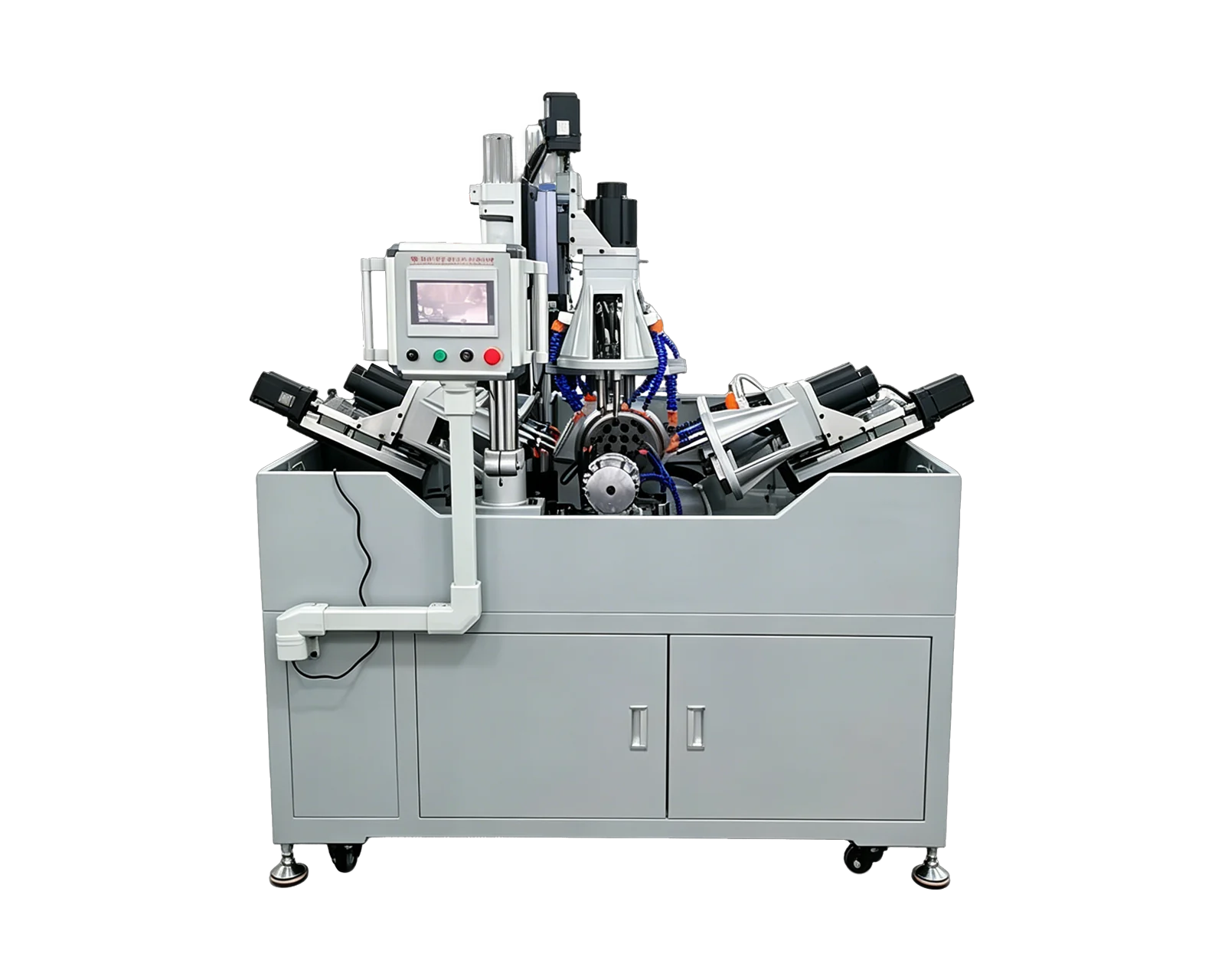
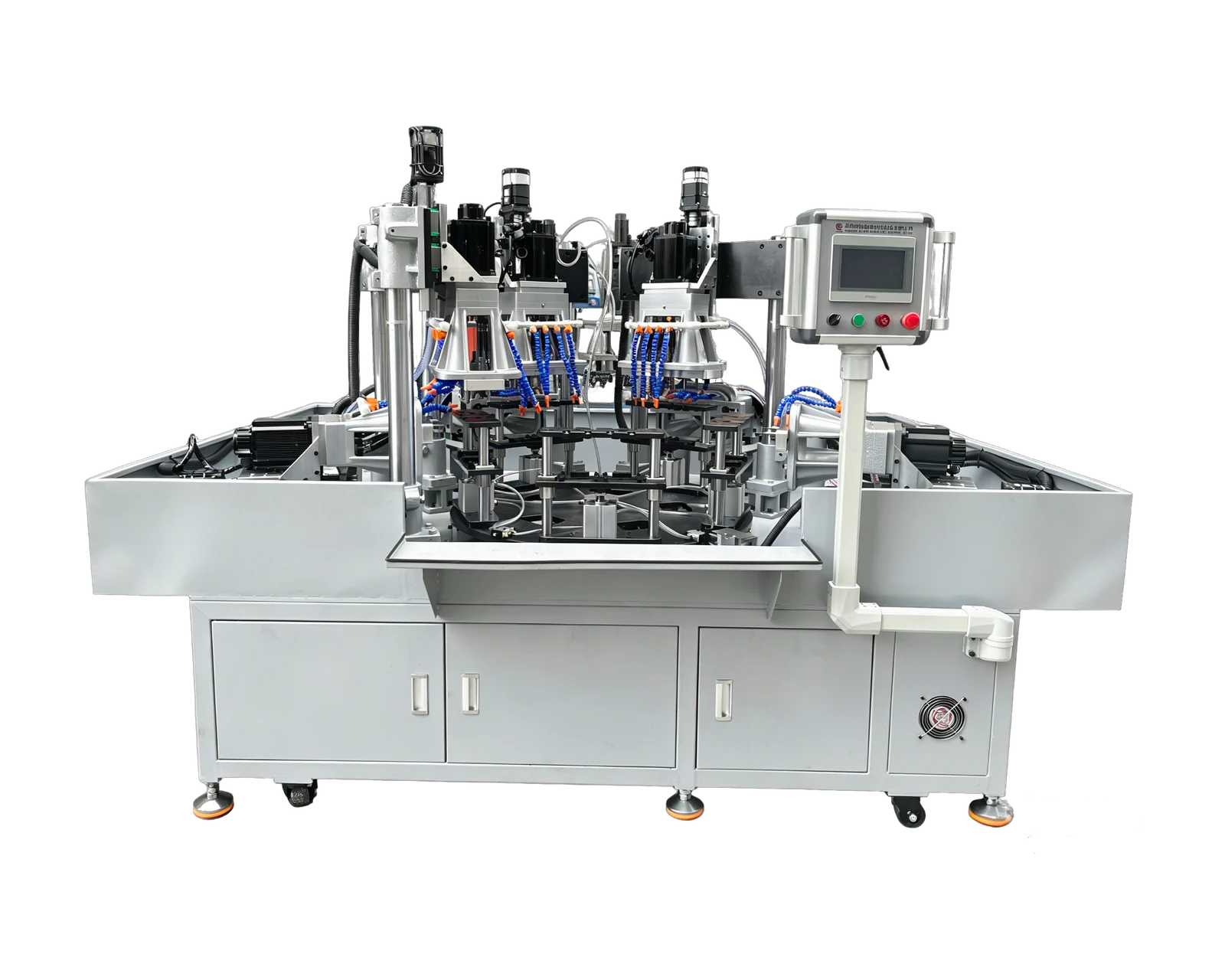
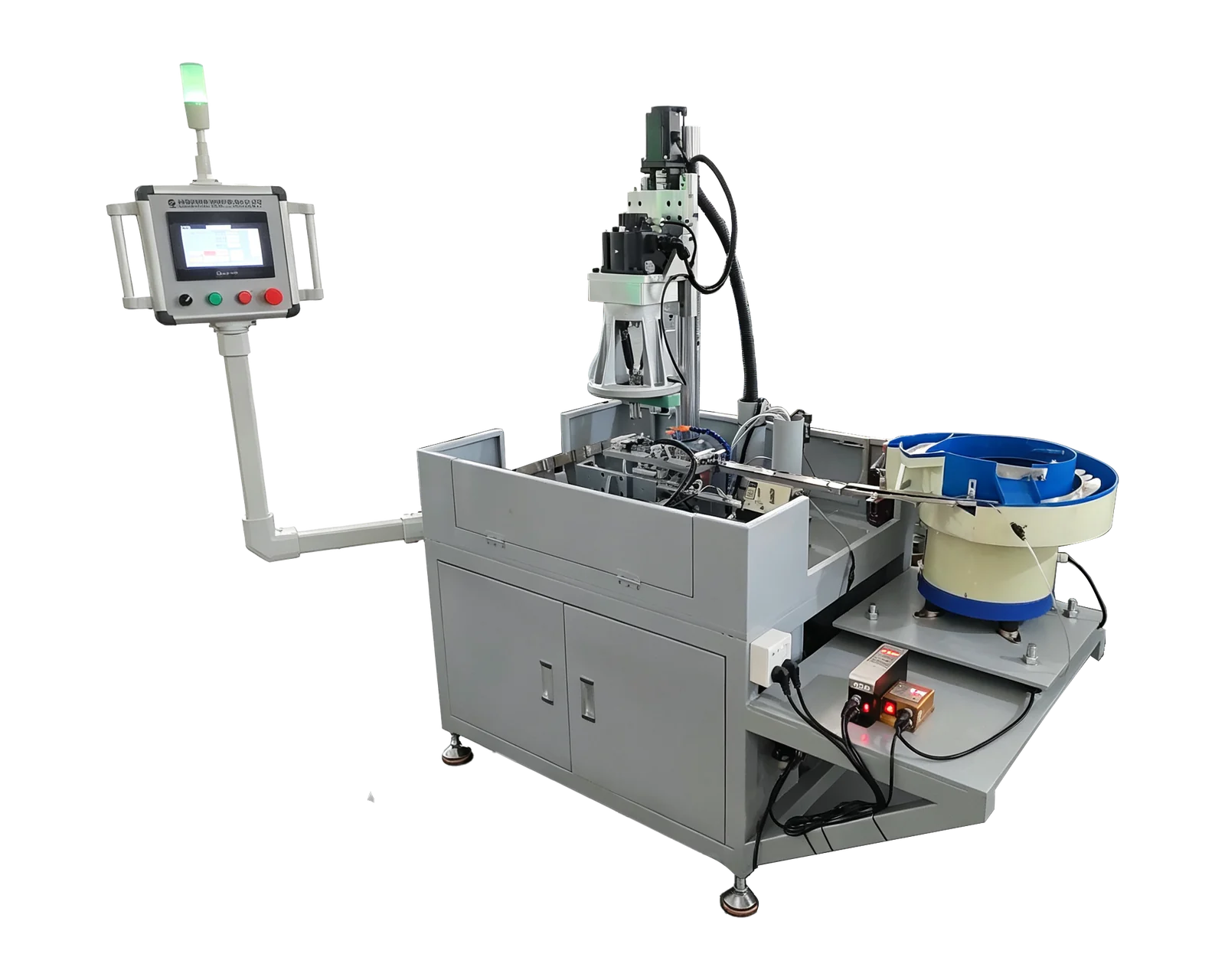
Automatic Feeding & Tapping →Review the layout options and required part information to define the scope of a custom equipment inquiry.
Decide what the trial must establish
Write the decision before arranging shipment of parts. A trial to assess whether loose components can be oriented needs different evidence from one assessing thread quality or fixture access. If several uncertainties exist, separate them so a good machining result does not hide an unresolved feeding problem.
Agree whether the trial uses the proposed production configuration or a preliminary arrangement. Temporary workholding may answer a tooling question without proving the final loading method. Ask BINSING to identify the setup being evaluated and the limits of the conclusion. Physical samples can follow the initial drawing and photo review; their quantity, timing and handling should be arranged for the project.
Choose samples that represent the supplied part
Provide the drawing revision, material description and upstream processing condition with the samples. Identify coating, oil, burrs, existing holes or other conditions expected in normal production. Do not mix different revisions or material batches without labeling them. Record any known differences between the samples and the parts that will actually be purchased or produced.
Ask how many parts are needed for setup, observation and finished-part measurements, and who supplies replacements if additional trials are needed. Where variation is important, agree a representative selection rather than submitting only the easiest pieces. One convenient batch cannot establish coverage of unspecified future variants or all incoming material conditions.
Use a shared record instead of relying on a highlight video
A video is useful for understanding the sequence, but the written record should connect the input sample to the measured output. Assign sample identifiers and preserve the setup context so both parties can interpret a result later. The following fields are a planning example, not results from a completed customer project.
Include handling and interruptions in the observation
For an automated proposal, observe the relevant loading, transfer, clamping, machining and discharge steps. Clarify what the operator does before and between cycles. If the objective includes output assessment, agree the observation period, the counting method and the treatment of rejected parts, adjustments and stops before recording performance.
Keep initial setup time separate from the agreed observation, while retaining a record of adjustments made during that observation. A short edited clip can show the mechanism but is not sufficient evidence for sustained output. If a failure occurs, record the condition and corrective action, then decide which portion of the trial must be repeated.
Close the trial with a decision and a boundary
Classify each objective as demonstrated, unresolved or requiring another configuration. Identify who will review finished samples, whether parts must be returned, and when comments are due. Resolve any disagreement between measurement methods before using the trial to approve the order. Shipping, sample consumption and additional trial arrangements should be confirmed beforehand.
Use the findings to update the proposal and acceptance plan. State which part revision, setup and conditions the findings cover. Tool life, long-term reliability or broader part-family coverage require their own evidence; they should not be inferred from a successful short sample run. Keep those remaining questions in the project record with an owner and next step.