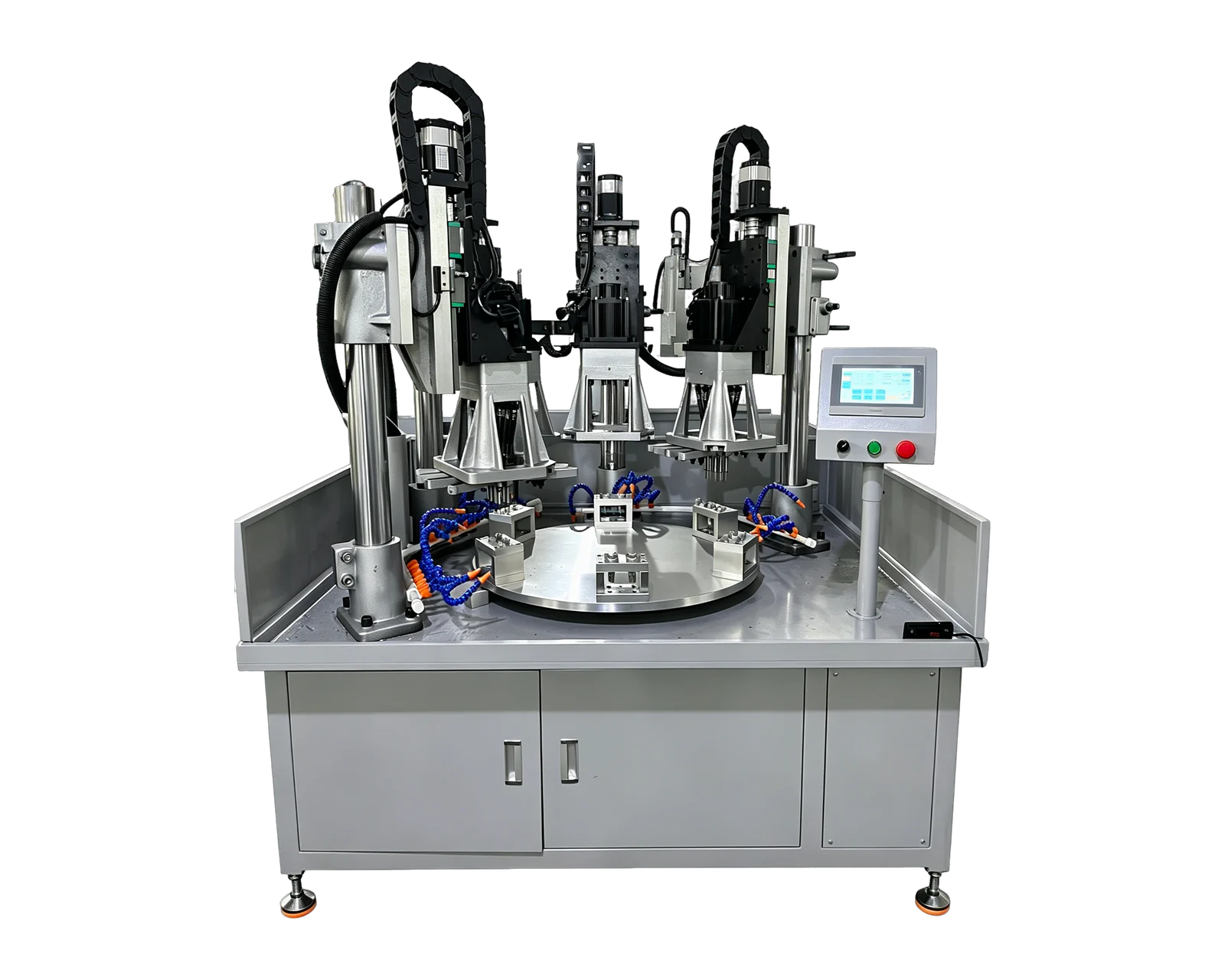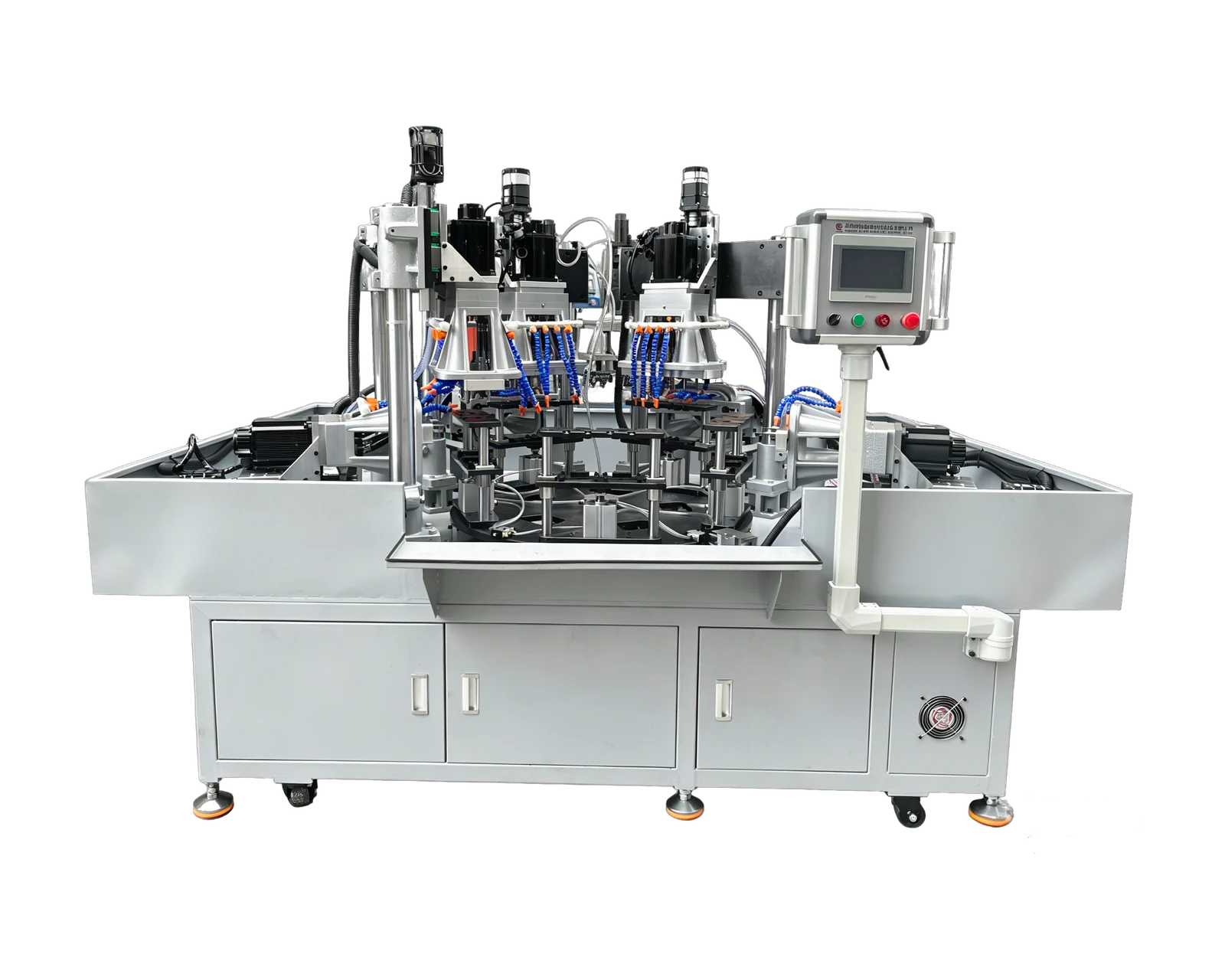
Explore equipment for your inquiry
Automatic Drilling & Tapping Machines →Compare standard platforms and custom layouts, then prepare the part and production requirements for your quote.
1. Define the finished edge instead of naming only an operation
Mark each affected edge on the drawing and retain its actual callout. Distinguish a dimensioned chamfer from a general requirement to remove burrs or break sharp edges. If the requirement is unclear, resolve it with the responsible design or quality team. The supplier needs a defined finished feature rather than an instruction that the hole should look clean.
Identify the relevant entry, exit or recessed edge, including edges not visible in the normal loading orientation. Explain whether a thread, counterbore or other adjacent feature affects the inspection reference. Do not add an assumed chamfer dimension from another component or from a catalog photograph; the approved workpiece drawing governs the inquiry.
2. Make edge preparation part of the quoted scope
Ask the quotation to connect each marked edge with the proposed operation and its verification. Where upstream machining already prepares an edge, state its incoming condition. Where work will remain outside the machine, assign responsibility explicitly. This avoids comparing a complete proposal with one that leaves an unpriced finishing step to the buyer.
3. Ask for a part-specific process sequence
Start with the required operations before choosing the equipment route. BINSING rotary indexing configurations can arrange drilling, chamfering and tapping at successive stations; a proposed traverse arrangement needs its own position and tooling review. Neither label determines the correct order or confirms access to every edge. Ask the application reviewer to show which operations share tooling, require separate positions or remain outside the machine.
Review the fixture across the entire sequence. An edge accessible before loading may be blocked by a clamp once the part is held, and an exit edge may require a different approach from the entry. Keep questions about tool selection and operation order with the supplier's application review; this purchasing guide does not specify cutting settings or an operating procedure.
4. Check hidden edges in a purchasing example
Hypothetical purchasing scenario: a buyer requests drilling, chamfering and tapping for a small housing. The drawing marks an entry chamfer on one face and an edge requirement inside a recess. The initial machine concept shows only a tool approaching the external face. Listing chamfering in the proposal title does not explain whether the recessed edge is covered.
Ask for feature identifiers mapped to operations and clarification of the recessed-edge scope. If it remains a separate process, include its handling and ownership in the comparison. This example illustrates a scope gap; it does not describe a BINSING installation or confirm tool access to the recess.
5. Inspect the named features on completed samples
Agree checks for the specified edge features alongside hole and thread checks. Record the drawing revision, material, incoming condition and tooling configuration represented by the samples. Where several similar fixtures or part variants are involved, identify what was demonstrated and which requirements remain outside the trial coverage.
Clarify any finished-part cleaning requirement separately from chamfering. A confirmed edge feature does not by itself establish the cleanliness needed for assembly or shipment. Before ordering, make sure the offer states which tooling, stations and checks are included, and ask for open items to be resolved or clearly identified as exclusions in the commercial scope.