Explore equipment for your inquiry
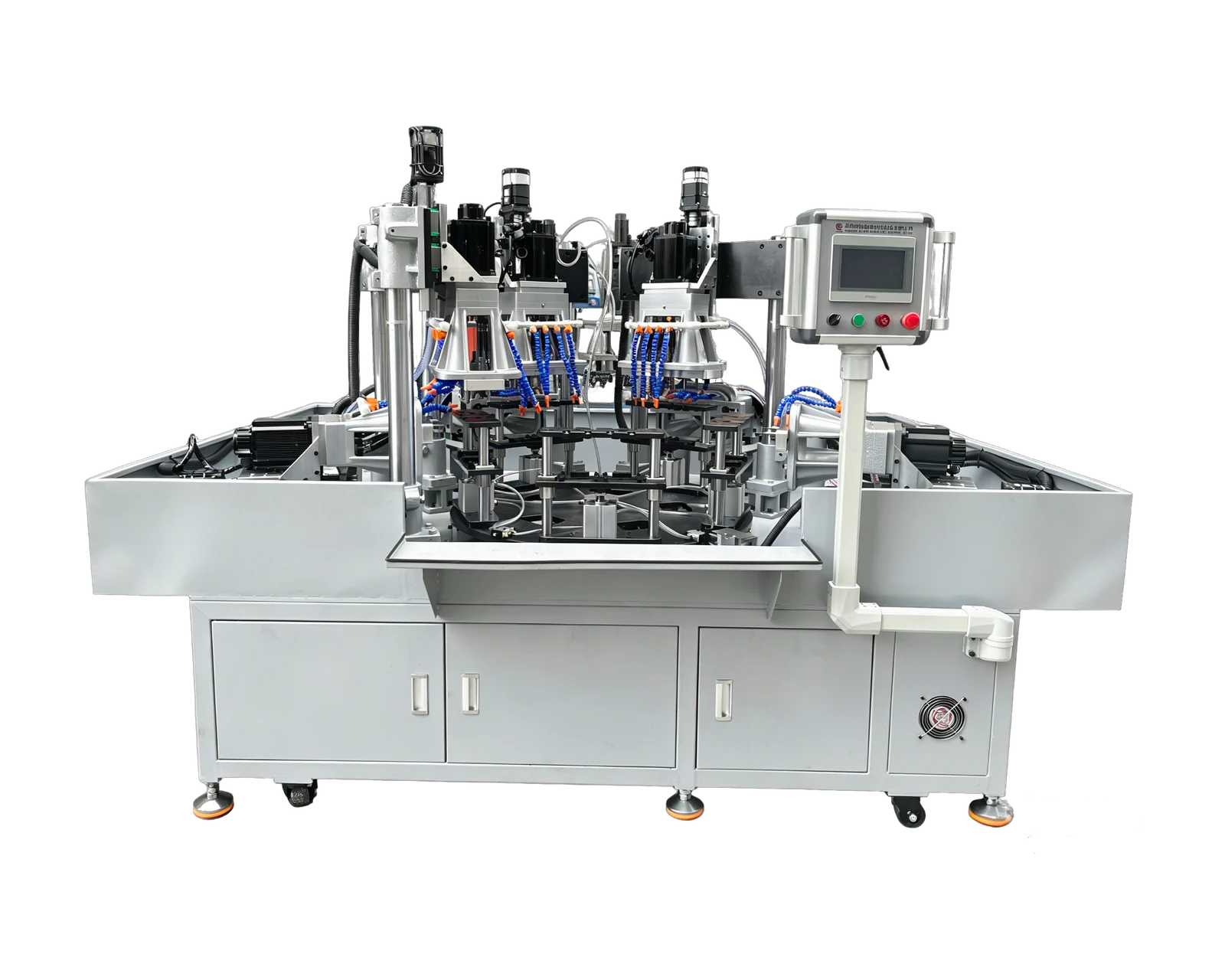
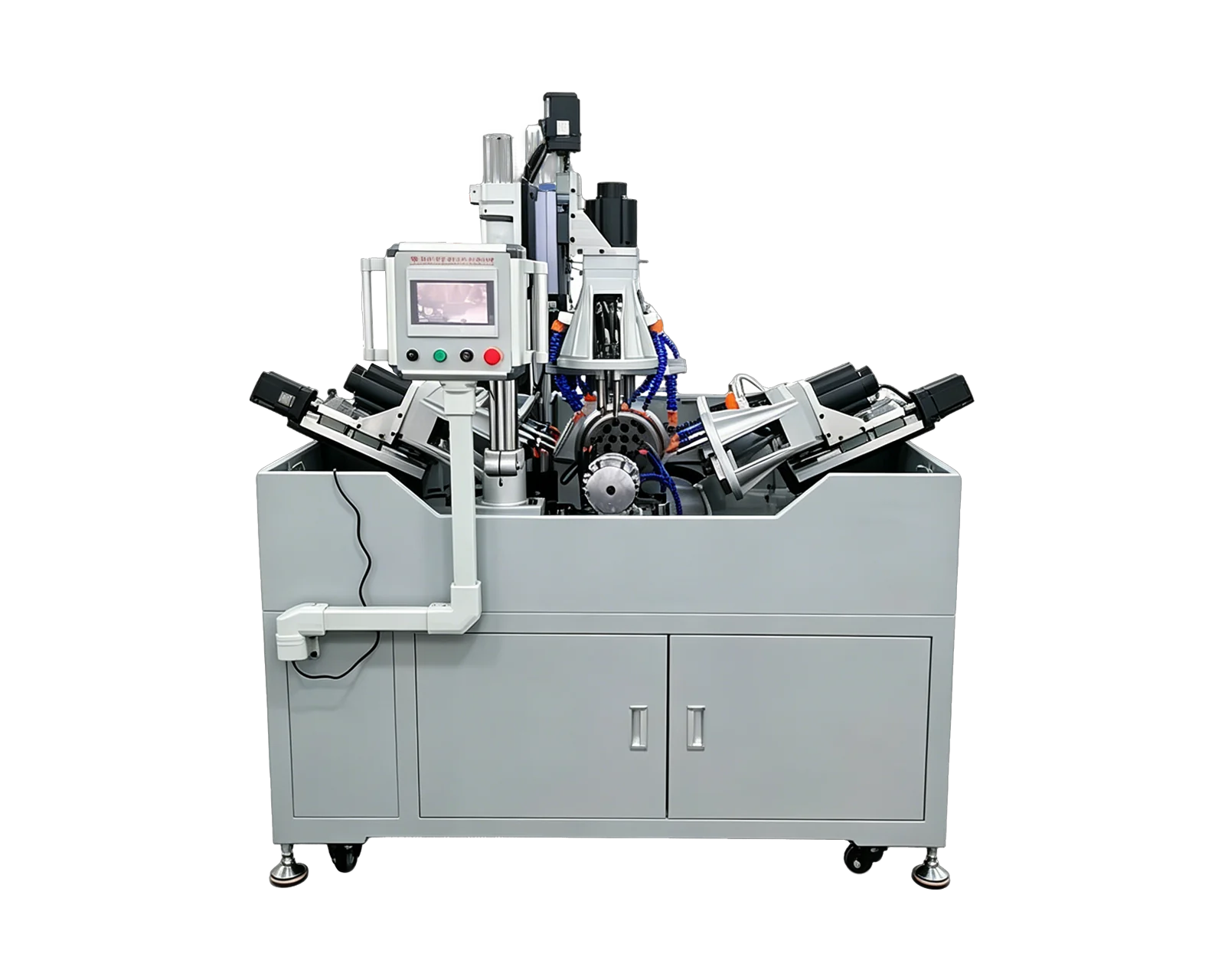
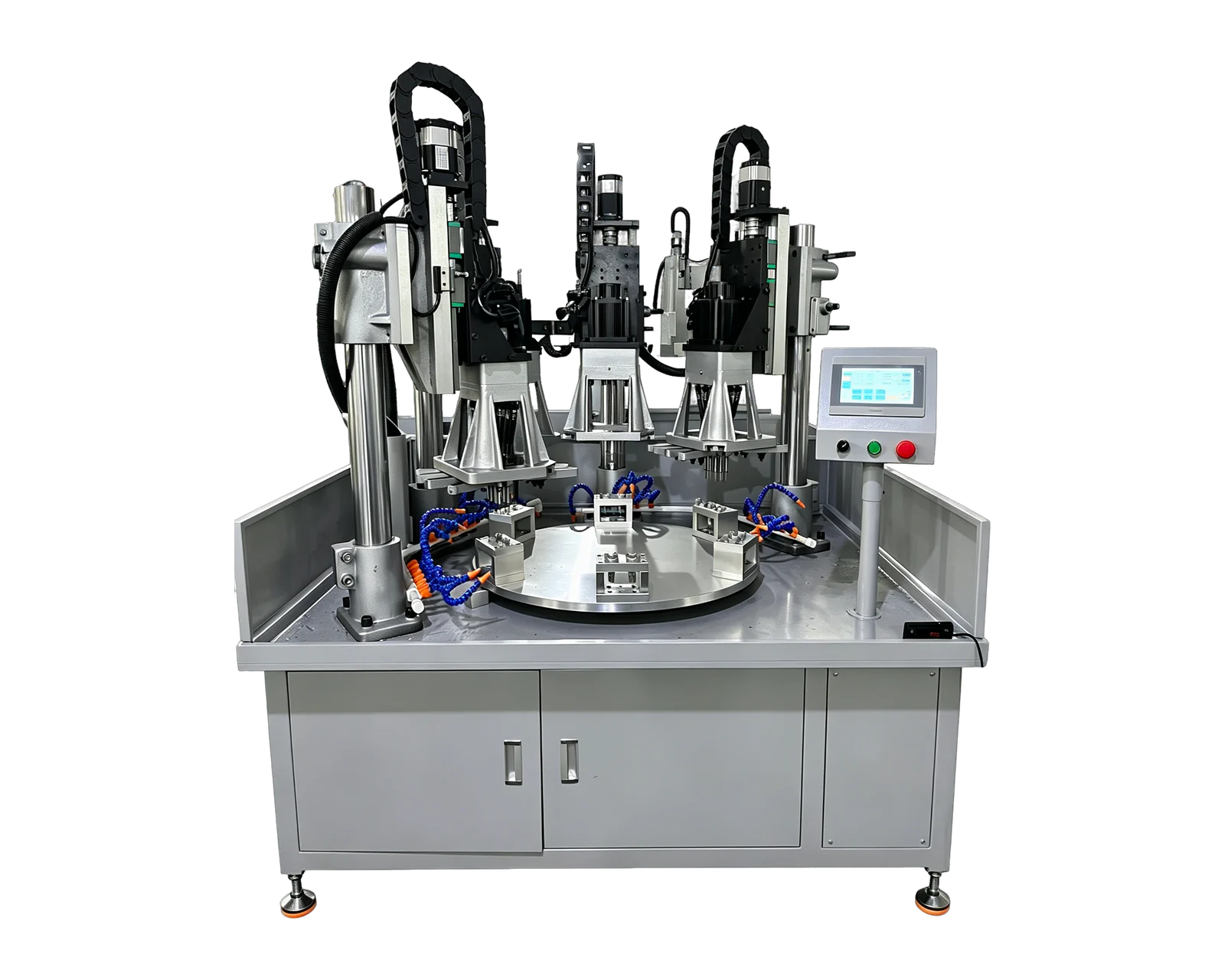
Rotary Indexing Drilling & Tapping →Review the layout options and required part information to define the scope of a custom equipment inquiry.
Build the process route before counting stations
Start with the supplied part and the finished drawing. List every operation the machine is expected to perform, including any chamfering or intermediate handling. Mark features already completed upstream so the proposal does not include unnecessary work or rely on a preparation step that nobody owns.
A drilling, chamfering and tapping sequence is one possible arrangement, not a universal recipe. Ask for a station map showing where each operation occurs and where parts enter and leave. The number of visible heads in a machine video does not, by itself, tell you how many operations your part requires or how your loading position should be arranged.
Give every station a defined responsibility
A useful proposal explains what each position receives, what it does and what condition it passes to the next step. This makes missing requirements easier to find before the mechanical layout is finalized. Treat inspection or special handling as explicit scope items rather than assuming they are present.
Follow one workpiece through the table below. Other fixtures may hold parts at different stages during the same index dwell; that does not mean every feature on one workpiece is produced simultaneously. These are illustrative process roles, not a claim that each role needs a separate station or that the photographed machine has this exact sequence.
Review the fixture across the whole sequence
A fixture must be considered at every machining position it visits. Show the supplier the surfaces permitted for support and clamping, any fragile areas, and the features that establish the drawing datum. Ask how tooling reaches each feature without the clamp or another part of the workpiece blocking access.
If the proposal uses several similar fixtures, agree how they will be identified and checked. For part families, request a changeover explanation covering fixtures, tools, program settings and first-part checks. A rotary layout should not be selected on the assumption that every future variant can use the original tooling.
Request an output assessment for the complete cycle
Provide a target quantity over a stated working period, along with the available staffing and upstream supply. Ask the supplier to explain the complete sequence used to assess that requirement, including loading, machining, indexing and unloading. Do not derive production output from a short video clip or the time shown for one cutting operation.
Confirm which actions are intended to overlap and which must wait for another operation. Identify the step that constrains the proposed output, then discuss whether a different arrangement is needed. Any performance commitment should be tied to an agreed part, tooling, material and acceptance method rather than a generic claim about rotary machines.
Choose rotary indexing when the sequence justifies it
This direction is worth assessing when a repeated part has a stable sequence of operations that can be mapped around the table. Compare alternatives if the required faces are inaccessible, the product mix changes substantially, or the main need is a single operation already suited to a standard machine.
Manual and automatic loading are both options to discuss for BINSING rotary solutions. Define the actual loading requirement separately from the machining sequence. Before shipment, agree on a factory or video inspection that demonstrates the required operations, finished-part checks and the handling steps included in the order. Use representative production parts wherever possible.