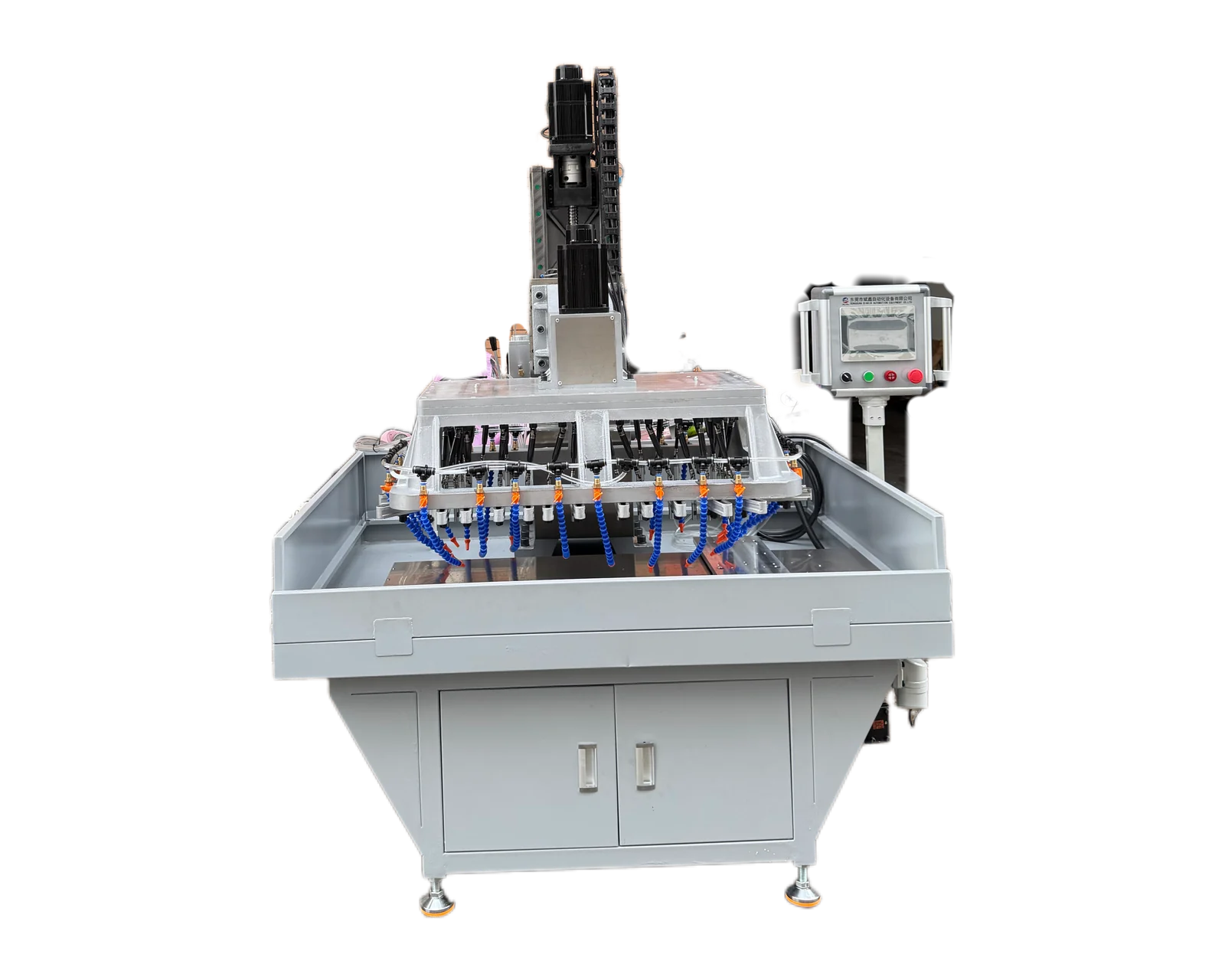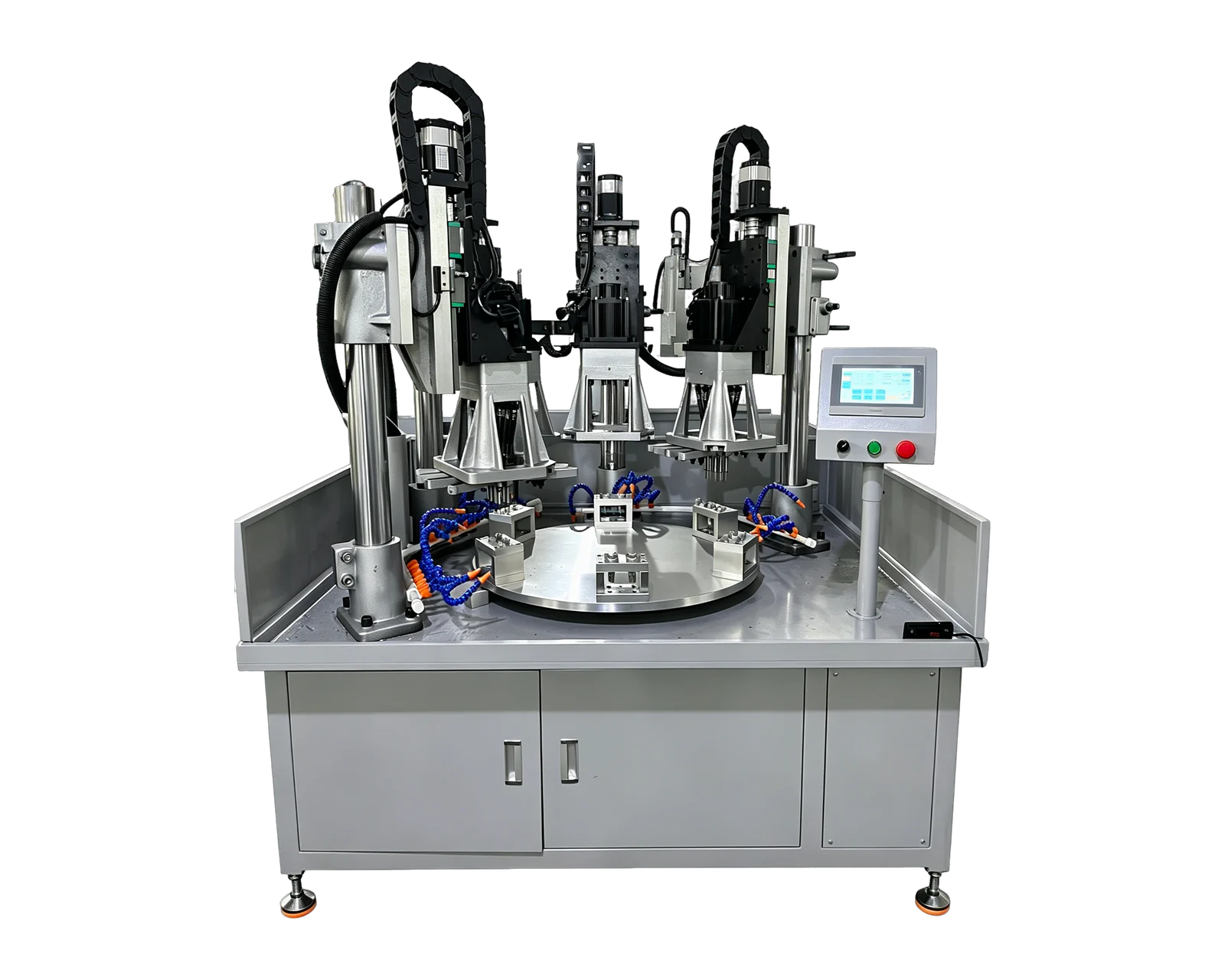
Explore equipment for your inquiry
Rotary Indexing Drilling & Tapping →Review the layout options and required part information to define the scope of a custom equipment inquiry.
1. Give the layouts the same process boundary
Prepare one operation list from the current drawing. Identify drilling, tapping and any required edge preparation, together with features already completed upstream. Specify how parts enter and leave the proposed machine. Both suppliers should respond to this list before you compare the shape of the layout or its quoted price.
State the intended product mix, batch pattern and staffing. If one proposal includes automatic loading and the other assumes manual loading, record this as a difference in scope. It should not be presented as an inherent property of rotary indexing or traverse positioning. Keep any unresolved external cleaning or checking visible as well.
2. Compare where the part goes and what happens there
A useful proposal maps each required operation to a position and identifies the fixture carrying or holding the part. BINSING's rotary direction uses indexed stations; the servo-traverse platform positions the workpiece through a defined machining sequence. The application review must establish the actual heads, travels and access in either case.
3. Compare two variants before assuming flexibility
Hypothetical purchasing scenario: a buyer has a repeated block requiring drilling and tapping, with a second version using a different hole spacing. A rotary concept allocates operations to separate positions. A traverse concept proposes movement between tooling positions. The buyer asks both suppliers to show exactly what changes between the two versions.
The comparison should identify fixtures, heads, tools and settings that remain common, plus any replacement items. Do not assume that traverse motion makes a spacing change software-only or that a rotary arrangement cannot cover variants. The decision depends on the offered configuration and the named parts. This is an illustrative comparison, not a verified performance result.
4. Review output with handling and interruptions included
Provide a target quantity over a defined working period and ask for the assumptions behind each proposal. The explanation should distinguish machining actions from loading, movement and unloading. Where operations overlap, ask the supplier to show the actual sequence instead of reconstructing it from a short video or counting visible machining heads.
Also clarify how the process handles a missing part, an interrupted operation and a part whose completion status is uncertain. Ask what operator involvement is expected for replenishment, collection and ordinary production checks. Compare the space required for these tasks and for tooling access using a complete layout drawing, rather than comparing only the machine footprints.
5. Make the unresolved decisions visible before ordering
Create a short comparison record listing covered parts, completed features, handling scope and included change parts. Put unconfirmed items beside the supplier's proposed way to resolve them. If samples or fixture concepts are needed, agree what the review will establish and which decisions remain provisional until that work is complete.
Use representative parts for the agreed demonstration and apply the same finished-part checks. Record the configuration and conditions represented by the evidence. BINSING's rotary indexing solution and servo-traverse platform are starting points for this assessment; select the arrangement that meets the reviewed process and purchasing requirements, rather than expecting a general ranking to decide your application.