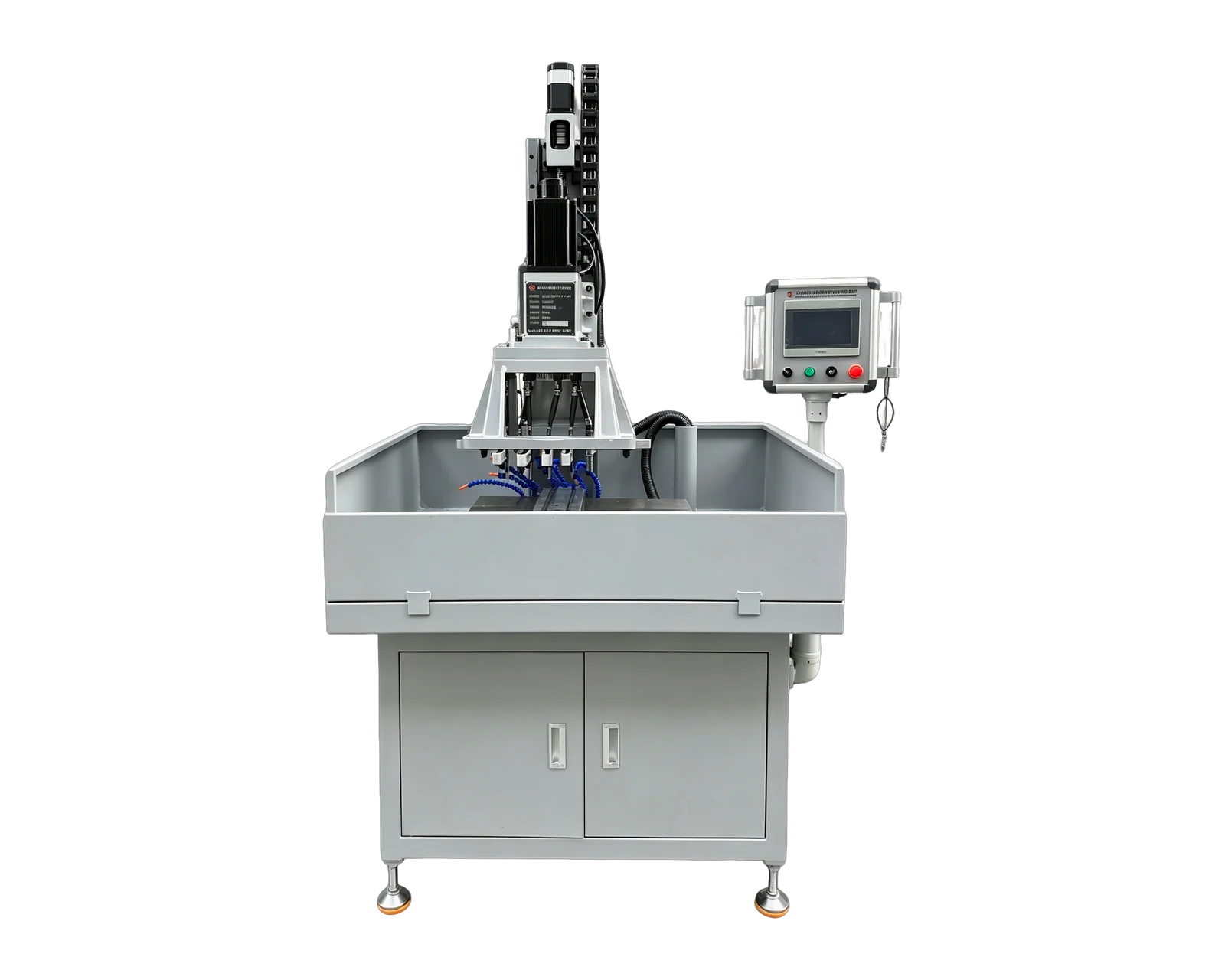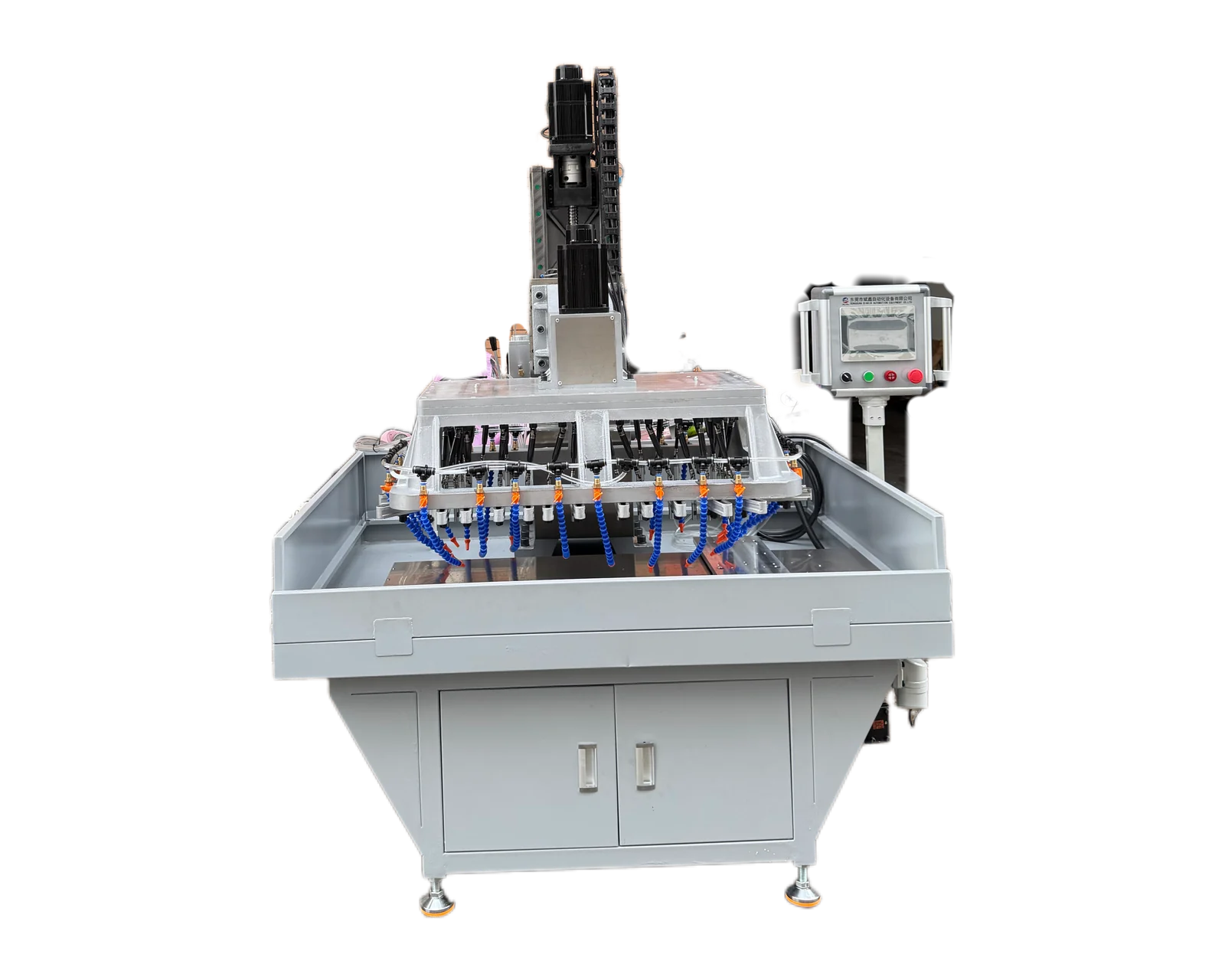
Explore equipment for your inquiry
Servo Traverse Multi-Spindle Drilling & Tapping Machine →Review the published specifications and configuration options against your part drawing before requesting a quote.
1. Turn the product family into a coverage list
Assign each intended component a part number and drawing revision. List the differences that matter to machining and handling: outside dimensions, locating surfaces, hole positions, depths, thread pitches, material and incoming condition. Include the versions with the most restrictive access, not only the most common or visually representative part.
Identify which versions are required at purchase and which are possible future additions. A family name is not an acceptance boundary. A written coverage list lets the buyer and supplier distinguish confirmed scope from later engineering work, and it prevents an unreviewed drawing from being treated as covered merely because it belongs to the same product series.
2. Map each difference to a physical or control change
Use this matrix during the proposal review. The supplier should explain which elements change for each named transition and which remain common. Mark unresolved items as open questions; do not replace them with an assumed quick-change capability. A servo-controlled movement can still sit alongside part-specific tooling and workholding.
3. Review a transition, not just two finished setups
Illustrative purchasing scenario: two brackets share a material and thread size, but one has a different hole spacing and locating edge. Request a walkthrough from the first bracket to the second. Ask which fixture elements and tools move, whether a different head arrangement is needed, and how the operator identifies the correct setup.
Seeing both parts machined separately does not explain the work between them. Include removal of the previous part, exchange or adjustment of components, selection of any settings and first-part checking. If changeover duration matters to the purchase, agree where timing begins and ends and which tasks must be included before comparing estimates.
4. Make the setup identifiable after delivery
Ask the quotation to identify which setup information and change parts are included. A usable setup record connects the part number and drawing revision to the fixture, tooling and applicable settings. Clarify how the factory will identify and store those items, particularly when several visually similar tools or fixtures serve different variants.
Agree the responsibilities for restoring a known setup and checking the first accepted part. Your production and quality teams should define the inspection requirements that apply after a change. Do not assume that selecting a stored setting confirms the correct physical tooling or establishes that the workpiece meets its drawing.
5. Validate the promised family coverage
Build the trial plan around meaningful differences in the family. Identify which variants will be demonstrated, what each demonstration covers and what remains untested. Where a supplier proposes using representative samples, agree the reasoning and limits explicitly. A trial on one convenient version should not be reported as evidence for all variations.
The BINSING servo-traverse platform may be worth assessing when controlled movement is part of the sequence, while a dedicated multi-spindle layout may suit another defined family. Neither is a blanket answer to future product changes. Keep new drawings under review and request a scope update before treating them as additional production coverage.