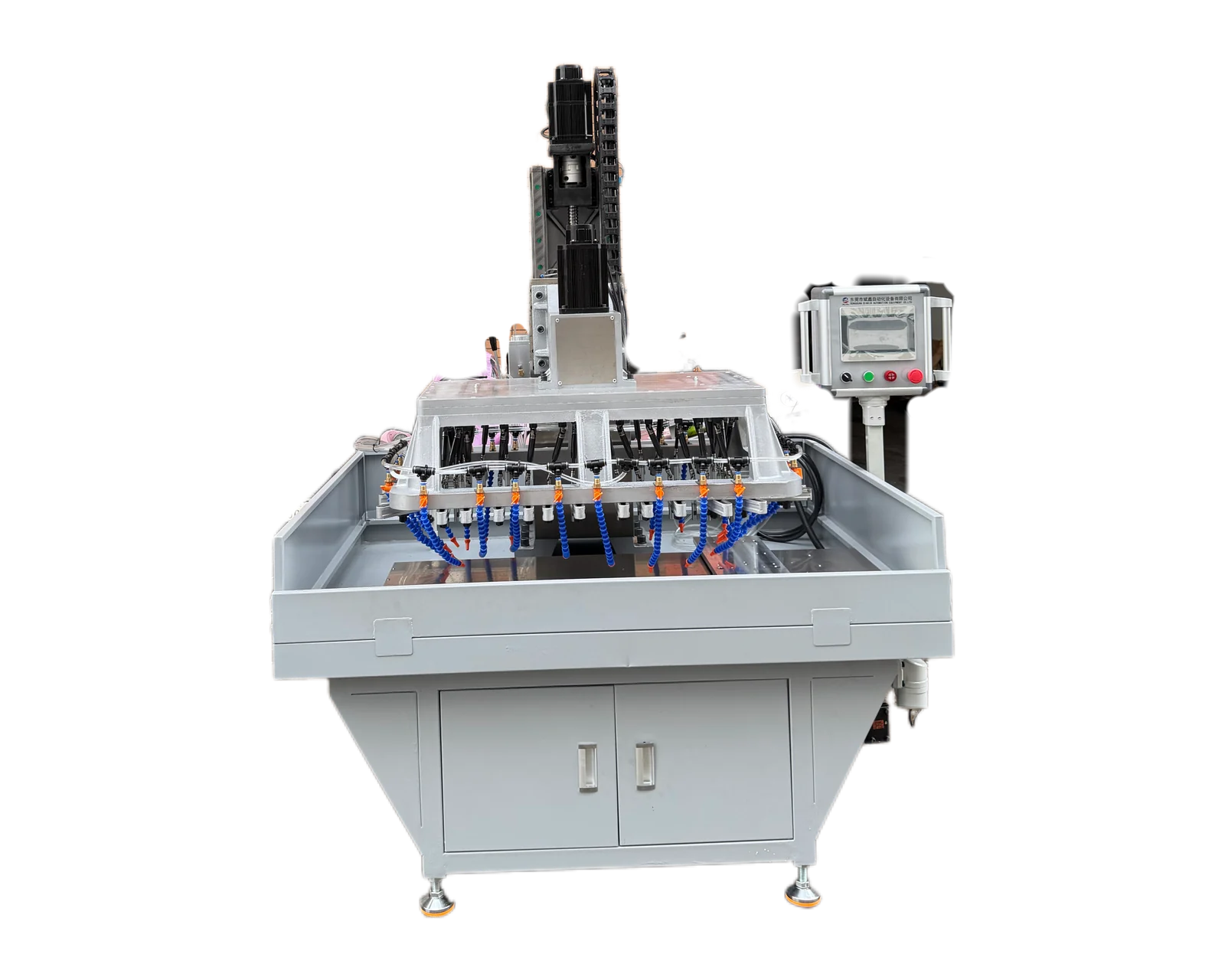
Explore equipment for your inquiry
Multi-Spindle Drilling Machines →Compare simultaneous drilling, traverse layouts and custom configurations against your complete hole pattern.
1. Give both proposals the same finish line
Start with a numbered feature list from the drawing. Ask each proposal to identify the holes completed, the operations required and any unfinished work passed to another station. Include entry preparation, tapping or cleaning only where they are part of your requirement. A comparison becomes misleading when one price covers drilling alone and the other includes additional processing.
Keep the incoming part condition identical as well. If one arrangement assumes pre-machined reference surfaces or prepared holes, record the upstream work needed to supply them. The useful purchasing unit is a defined process for your component, with clear boundaries at entry and exit, rather than a count of heads or tools.
2. Compare where work occurs in each route
Use the table to request two process descriptions. A single-spindle route may include repeated positioning or separate setups; a multi-spindle route needs a confirmed grouping of features. Neither route should receive assumed values for operator involvement or production output. Ask for the proposed arrangement and supporting evidence for your actual workpiece.
3. Put batch size beside the machining sequence
Describe the product mix over a representative working period. Distinguish a repeated hole pattern that runs for extended batches from a family whose spacing, depths or materials change often. Ask which components of each proposed arrangement remain common and which must be exchanged or adjusted for a different job.
Illustrative purchasing scenario: one buyer runs a stable bracket pattern, while another runs several unrelated patterns in short batches. Both inquire about the same number of holes per part. Their equipment decisions can differ because the second buyer must account for repeated setup work and broader coverage. This example illustrates a comparison method, not a measured result for either layout.
Hypothetical route example: both proposals receive the same blank and must deliver four identical drilled holes. The table deliberately leaves durations unassigned. One proposal visits four positions with one spindle; the other proposes a reviewed four-position head. Neither example is a BINSING cycle-time claim. Obtain observed durations and accepted-part counts before calculating output or savings.
4. Include ordinary interruptions and access
Ask how tools are reached for replacement, how the fixture is cleaned and what happens when machining stops before a part is complete. A proposal should distinguish normal production actions from setup and recovery. Identify any partially processed part that needs to be kept separate until its status can be checked.
Have the supplier explain the complete demonstrated cycle, including loading and unloading. Keep cutting time separate from finished output over an agreed observation period. If one option is demonstrated with manual handling and another with automatic handling, record the difference rather than assigning the result solely to the number of spindles.
5. Compare included equipment and verified coverage
Check whether each price includes the tooling, fixtures and change parts required for the named components. List inspection equipment and handling equipment separately where their supply is unresolved. Ask for exclusions in writing so a lower initial machine price is not mistaken for the cost of a complete production arrangement.
The BINSING BX-20015 and custom multi-spindle layouts provide starting points for a grouped-feature assessment. Selection still requires the drawing, material and workholding review. Where product variety remains undefined, describe that uncertainty explicitly and avoid buying a dedicated arrangement on the assumption that every future pattern will fit.