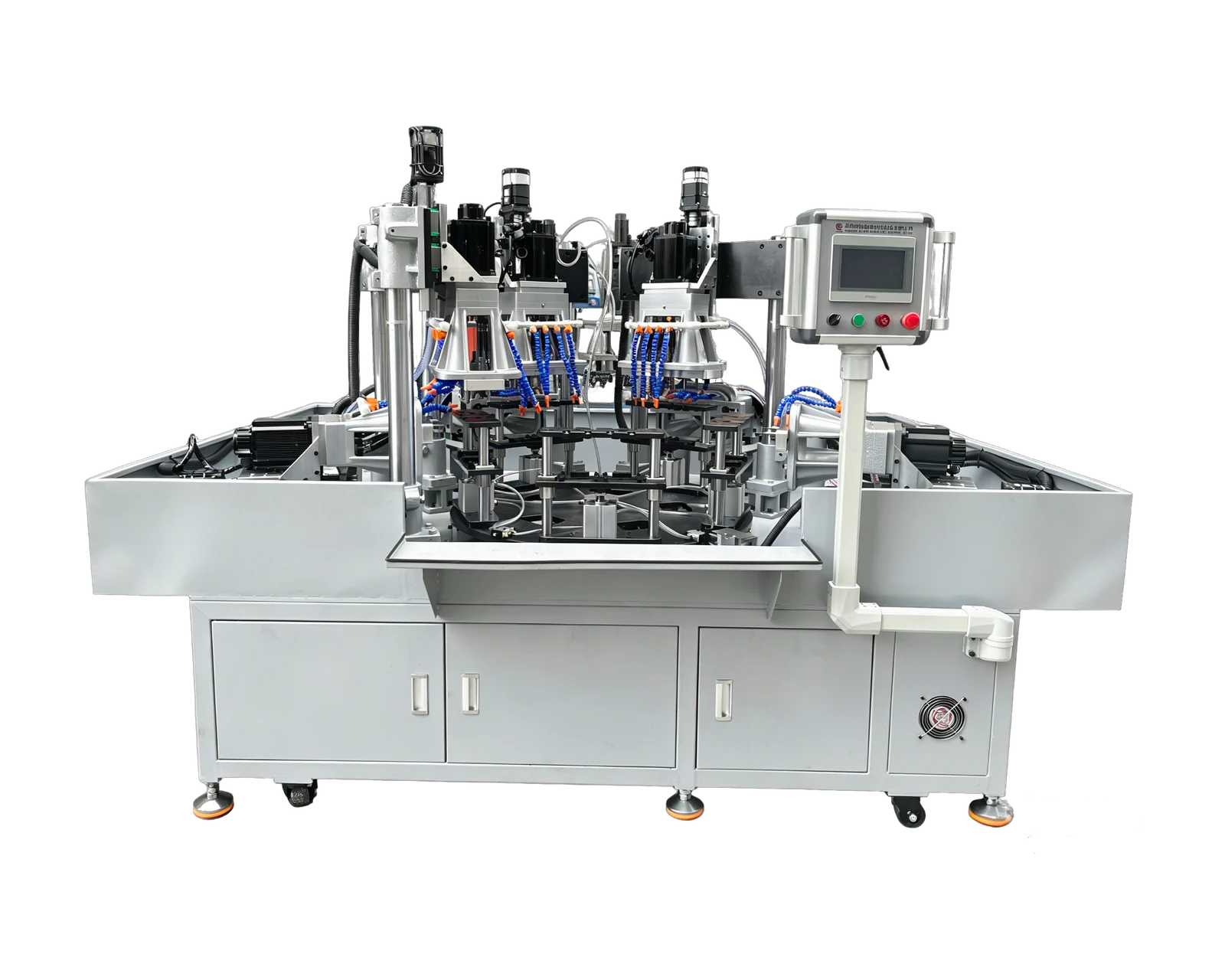
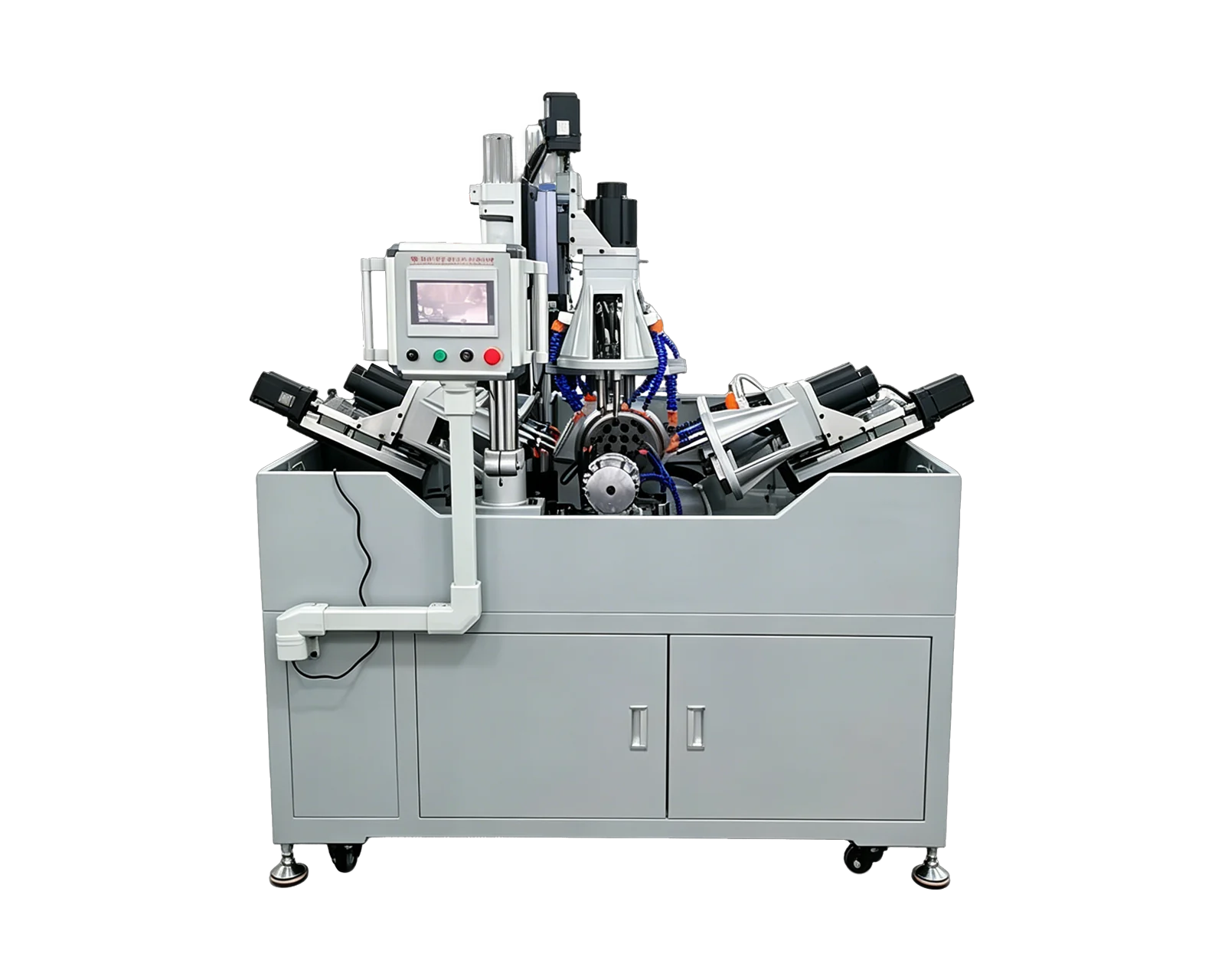
Explore equipment for your inquiry
Dual-Servo Multi-Spindle Drilling & Tapping Machine →Review the published specifications and configuration options against your part drawing before requesting a quote.
Treat each exit edge as an identified feature
Mark the drill entry and exit on a section view, not only on the front view of the hole pattern. A through hole can exit onto a flat face, an inclined wall or another hole. Those locations may have different access for inspection and a later operation. Give each edge an identifier so a photograph and a requirement can refer to the same place.
Avoid using burr-free as the only acceptance instruction. Ask the drawing or quality owner to define the permitted edge condition, inspection method and production stage. An intentional chamfer or radius is a feature with its own requirement; it should not appear as an undocumented consequence of making an edge look cleaner. Keep any prohibition on changing the surrounding surface visible in the same record.
Reducing a burr and accepting an edge are different decisions
Sandvik Coromant's guidance on irregular-surface drilling identifies internal intersections as difficult locations for deburring and discusses reducing burr formation through process planning. This supports reviewing the actual exit geometry with the tooling specialist. It does not establish a universal drilling arrangement that eliminates every burr or replaces finished-edge inspection.
A supplier may propose a tooling change, an altered sequence or a separate edge-finishing operation. Ask which requirement each proposal addresses and how its result will be demonstrated. Keep the proposed process conditions in the technical review; the buyer's acceptance record should identify the required outcome rather than prescribe an unreviewed cutting adjustment.
Capture the edge before and after the finishing operation
Use a paired record to make the process boundary visible. The following template is an original purchasing aid, not a standard for burr measurement. Have the quality owner supply the actual method and limits. Where inspection cannot access the edge directly, agree an appropriate method before the demonstration rather than relying on a photograph of a different edge.
Compare complete routes rather than attractive sample edges
In a hypothetical comparison, one machine demonstration includes hand deburring after drilling, while another presents the part immediately after the machine cycle. Their final photographs may look similar, but the quoted routes are different. Record the extra operation, handling and inspection before comparing throughput or staffing. Manual work is not automatically unacceptable; undisclosed work makes the comparison unreliable.
If deburring belongs to an existing downstream process, define the condition that process can receive and who confirms compatibility. If it belongs in the proposed equipment, identify the included edges and any exceptions. A visible outer edge and a hidden intersection should not silently share the same coverage claim. Include tool access, consumables and subsequent verification in the scope discussion.
Keep the trial conclusion tied to the edge map
Ask the trial report to distinguish edges checked from edges not evaluated. Keep the original as-drilled evidence even when the finished part passes. It helps explain which operation delivered the accepted result and makes later changes easier to review. If a different blank changes the exit location or wall thickness, ask whether the original evidence still covers that condition.
For a BINSING inquiry, send the drawing with exit edges marked, the agreed edge requirements and the proposed responsibility split. Include representative problem and acceptable samples when available. Request a scoped proposal for drilling and any required finishing. Neither a machine photograph nor a nominal hole specification confirms the final edge quality of your application.