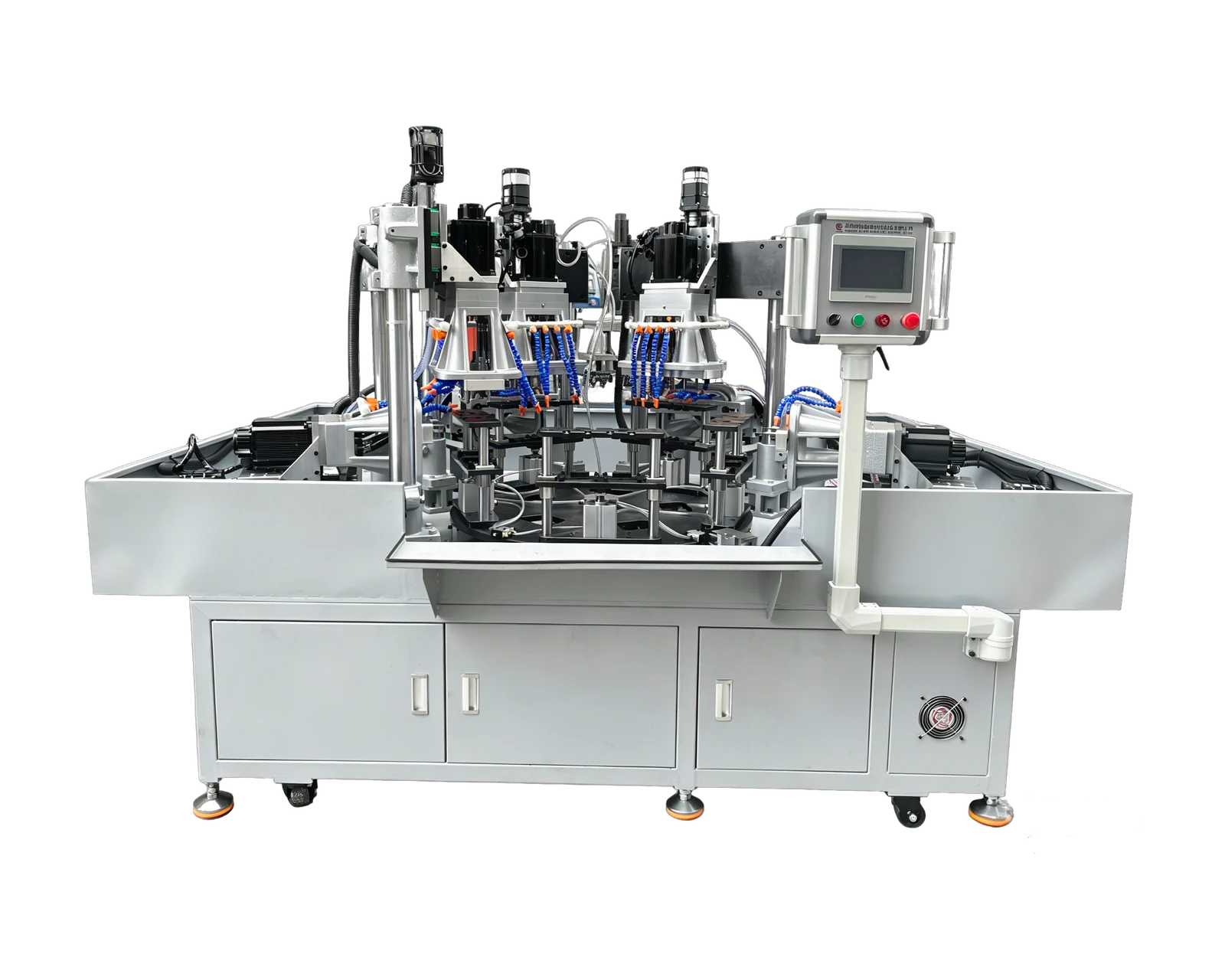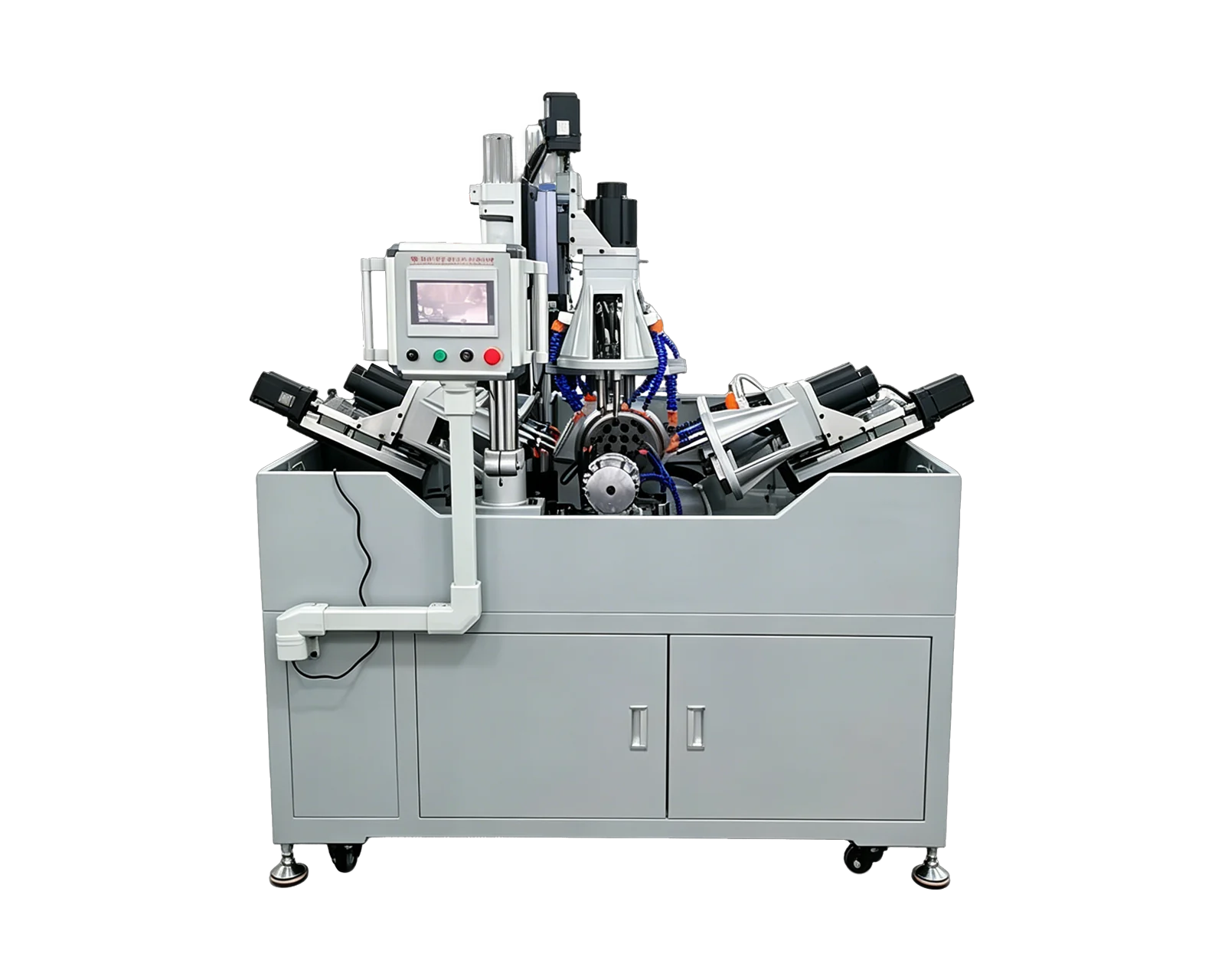
Explore equipment for your inquiry
Multi-Side Drilling & Tapping →Review the layout options and required part information to define the scope of a custom equipment inquiry.
1. Make the intersection visible in the inquiry
Send a section view or marked model that shows how the holes meet. Label each feature with its axis, size, depth reference and drawing requirements. Identify which openings are already present and which must be produced by the proposed equipment. Two external views can leave the intended internal condition unclear, particularly when a hole ends at another passage rather than an outside face.
State the finished requirements for the internal intersection, including any defined edge condition and cleanliness criteria. Have the appropriate engineering team resolve ambiguous callouts before treating a quotation as complete. The supplier needs a requirement it can respond to; phrases such as smooth inside or fully clean should be replaced with the buyer's agreed, assessable criteria.
2. Review the complete approach, not just the visible opening
Ask for a section view and a layout showing the part, fixture and full tooling envelope. Follow the proposed path from approach through entry, the intended intersection and withdrawal. The external opening alone does not show the available space for a holder, the wall beyond a crossing or the tool-return path.
Mark any existing bore and identify which passage is produced first in the offered route. Ask the supplier to explain the proposed sequence for the actual geometry and the finished internal requirements. These are application-review questions, not a prescription to use a particular machining order or to drill beyond an intersection.
3. Separate drilling from completion of an internal passage
Hypothetical purchasing scenario: a block needs a side hole intersecting a previously prepared axial passage. One proposal includes the side drilling operation; another includes additional work intended to address the internal intersection. The buyer cannot compare the two prices as equivalent until both proposals state their finished boundary and the evidence supporting it.
Ask each supplier to identify any external edge treatment, cleaning or inspection still required. Do not assume that visible external chamfering addresses an internal intersection, or that a completed hole establishes passage cleanliness. This scenario illustrates scope comparison only. It does not prescribe a machining sequence or claim that a particular BINSING configuration performs internal finishing.
4. Compare the proposed route and remaining transfers
A multi-side concept may place tooling around a reviewed workpiece, while another route may use separate setups. For each proposal, identify how the component reaches the required orientation and which drawing relationships must be maintained through any transfer. If an existing hole is used as part of the locating concept, ask the supplier to state the assumed condition of that feature.
Include the handling of incomplete parts and any operations performed elsewhere. A process map should show where parts go after machining and how completion status is recorded. Review the space and responsibilities for external cleaning or inspection alongside the machine layout. These activities belong in purchasing scope even when they are supplied by another party or retained in the buyer's existing process.
5. Agree evidence for features a surface photograph cannot show
Define an inspection plan with your quality team before the demonstration. It should distinguish external hole checks from the evidence required for the internal intersection. Ask the supplier to explain the proposed inspection method and what it establishes. A video showing tool motion is useful for understanding the sequence, but it does not independently prove an internal finished condition.
Record the sample identity, incoming features and offered fixture configuration with the results. If only drilling is demonstrated, retain internal finishing or cleaning as an open scope item until separately resolved. Send BINSING a sectioned drawing and a list of required completed features to begin a multi-side review. The objective is a documented route to your defined finished part, including any outside operations.