Custom solution

Automatic Tapping Machines with Part Feeding

Review a bowl-fed or dedicated-feed tapping cell for repeated parts. BINSING matches feeding, orientation, workholding, tapping and discharge to the supplied workpiece. Send your drawing and incoming-part details to define a configuration and quotation.

  • Part feeding
  • Tapping
  • Unloading
Automatic-feed multi-spindle tapping equipment
Custom solution

Define your configuration

Define the route from incoming parts to finished collection

Use this scope map to discuss what your cell should include. It describes functions to review, not a fixed equipment package. Some parts need another presentation method after feeding suitability is assessed.

Proposed process functions and questions to resolve
FunctionScope to reviewConfirm for your part
Supply and separatePresent parts from the agreed incoming container; assess a vibratory bowl or dedicated feeder.Part geometry, mixed variants, oil, burrs, nesting and replenishment method
Orient and transferDeliver the required end or face to the fixture without losing the defined orientation.Views of all orientations, protected surfaces and the transfer interface
Locate and clampEstablish the workpiece position and access for the tapping tools.Locating references, incoming variation and allowed clamping areas
TapMatch the thread, prepared hole, tooling and machine setup.Material, thread size/pitch, usable depth and upstream hole preparation
Release and collectDefine how parts leave the fixture and reach the agreed collection point.Discharge route, appearance requirements and any separate inspection or sorting scope

Scroll horizontally to compare all columns on smaller screens.

Automatic feeding does not establish unattended operation. Replenishment, changeovers, tool service, interruption recovery and quality checks need an agreed allocation. Feeding trials and tapped-part inspection answer different questions; connect both before accepting the complete route.

01

Part condition and surface protection

Assess representative parts in their production-supplied state. Parts that look alike can behave differently when oily, nested or mixed. Identify protected faces before selecting contact and transfer arrangements.

02

Changeovers and part variants

List every included variant and its thread requirements. Ask which feed, fixture and tooling items change, how a known setup is restored and what first-part checks release it.

03

Operator work and output

Set the start and end of the output observation. Include the ordinary tasks and interruptions relevant to your purchase; a close-up of the tapping stroke cannot establish the cell's accepted output.

Equipment examples

Machine arrangements in this family

These real equipment references illustrate different layouts. Specifications and performance are confirmed for the proposed configuration and workpiece.

Automatic-feed multi-spindle tapping

Custom equipment reference

Automatic-feed multi-spindle tapping

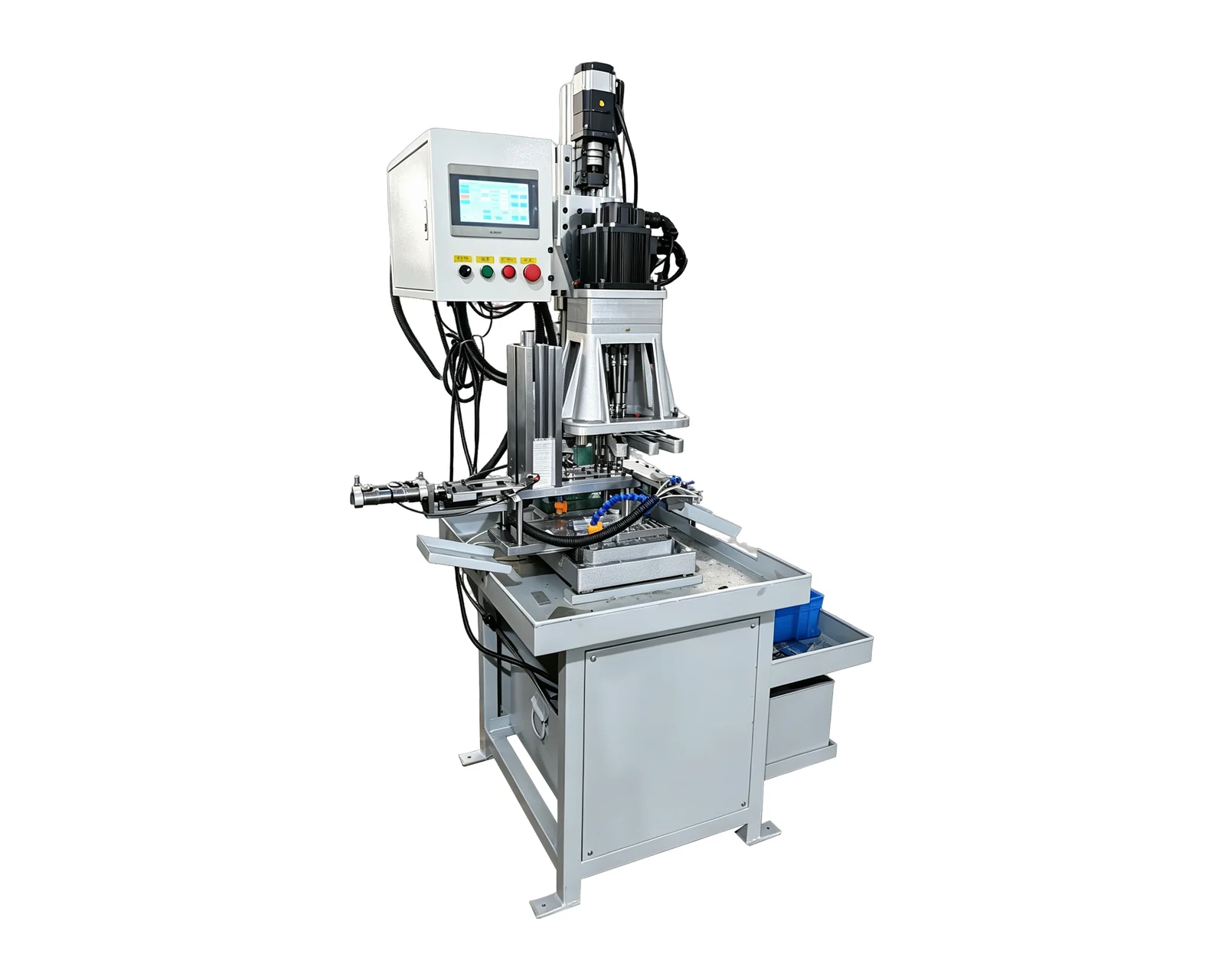
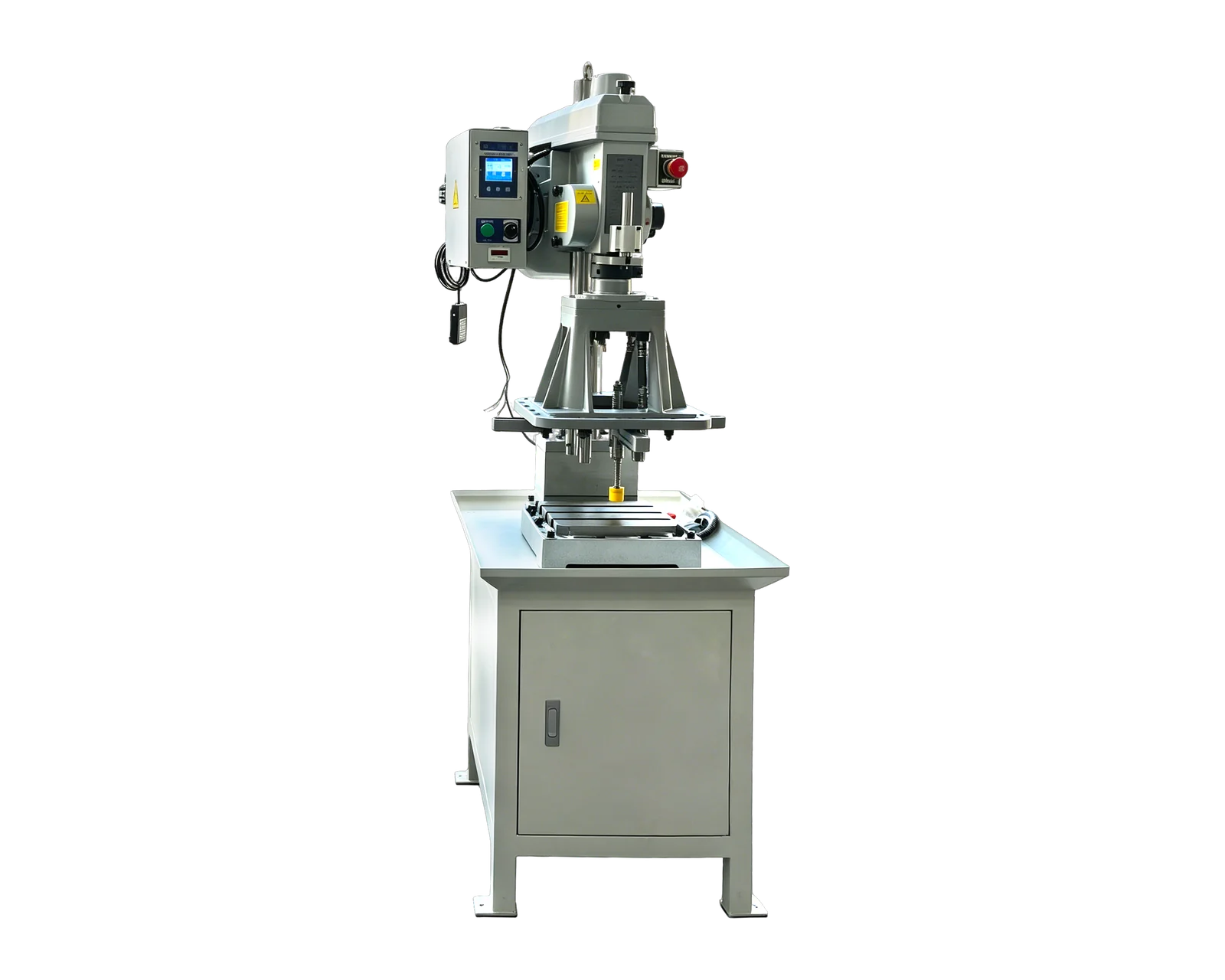
A dedicated feed arrangement supplies a tapping fixture.

Bowl-fed tapping configuration

Custom equipment reference

Bowl-fed tapping configuration

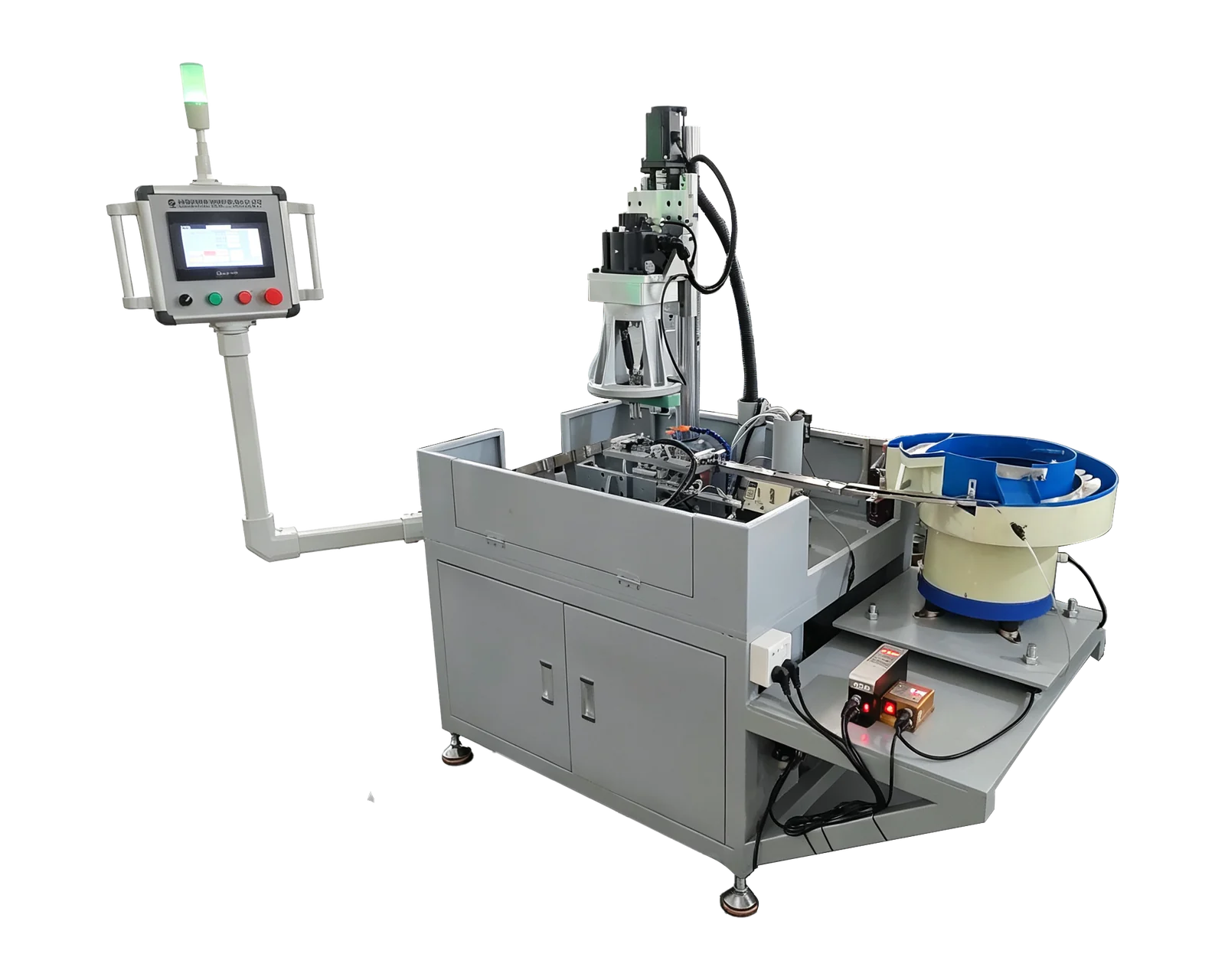
A vibratory bowl orients repeated parts before machining.

Machine operation

Watch related equipment videos

Use these equipment examples to review the layout and operation. Tooling, workholding and the machining sequence must be agreed for your part.

Automatic Feeding & Tapping
CUSTOM CONFIGURATION / VIDEO

Automatic Feeding & Tapping

Combine part feeding, positioning and machining in a dedicated cell. Feeding suitability depends on the shape, orientation and surface condition of the workpiece.

View related solution →

Price & quotation

Request a price for a defined equipment scope

Price depends on the feeding route, orientation and transfer work, tapping platform, fixture, tooling, controls and agreed discharge or inspection functions. Request separate scope lines for those items, supplied change parts and application trials. Part-specific feeding performance must be confirmed with representative material.

  • Drawing and photos showing all part orientations and incoming condition
  • Material, prepared-hole dimensions, thread size/pitch and usable depth
  • Protected surfaces, supplied packaging and variants to be included
  • Output target, observation boundary and intended operator responsibilities
  • Destination country, electrical supply and required trial evidence

Before ordering

Questions to resolve for your part

Can every part use a vibratory bowl feeder?

No universal fit is implied. Geometry, separation, orientation, surface condition and the required presentation must be reviewed. Send representative samples and identify variants before confirming the feeding method.

Does the cell drill the starting hole as well?

Only when that operation is included in the proposal. State whether the part arrives pre-drilled or needs drilling, chamfering and tapping. A rotary indexing layout may be reviewed when several successive operations are required.

What should an automatic feeding demonstration prove?

Agree the incoming condition, continuous observation period, interruptions to record and inspection of identified output parts. Keep feeding observations linked to machining results; successful orientation alone does not demonstrate thread acceptance.

Continue your review

Guides for the next decision

Also consider

Related standard platforms

If a defined platform suits the part, compare these standard machines before specifying a complete custom arrangement.