
Explore equipment for your inquiry
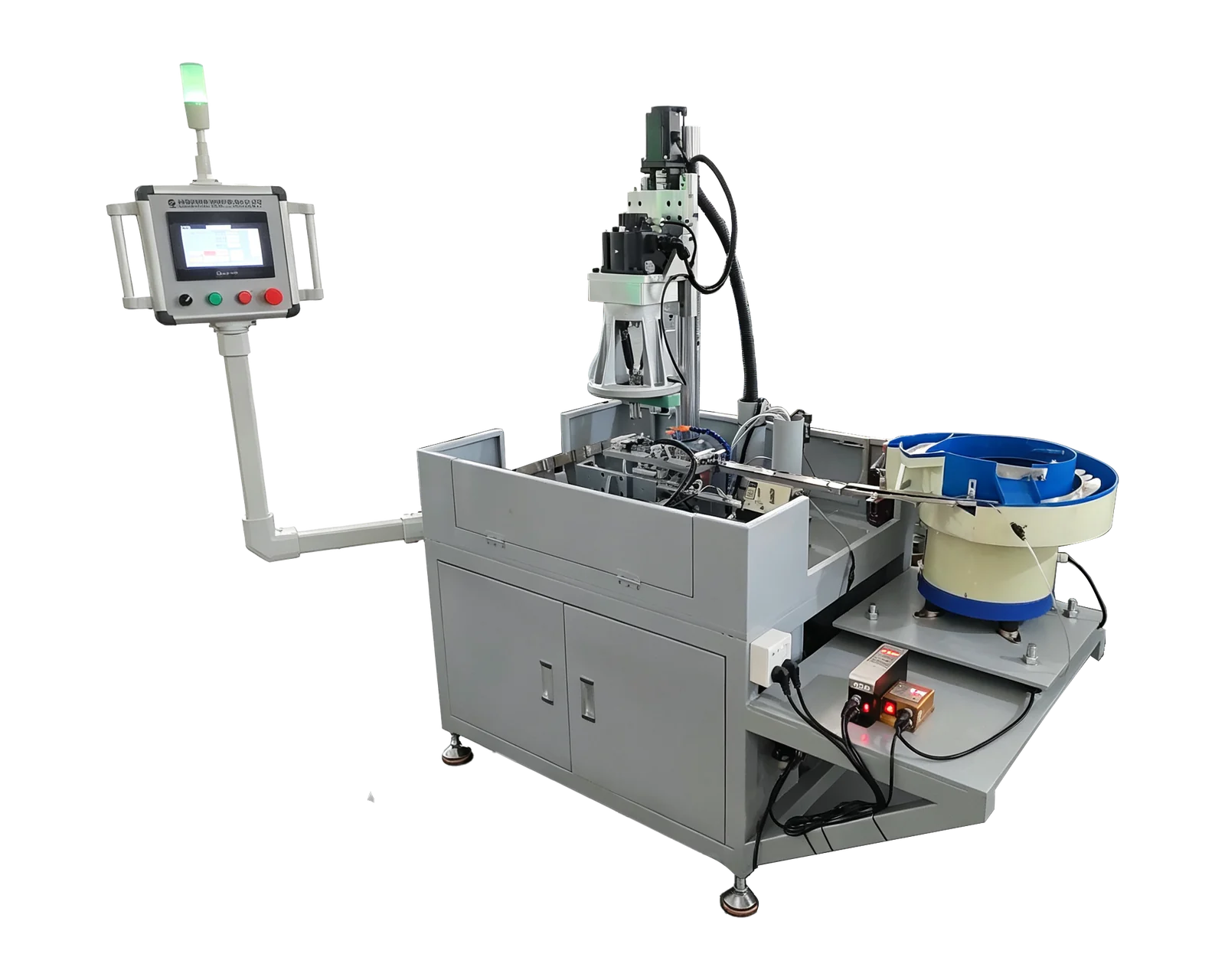
Automatic Feeding & Tapping →Review the layout options and required part information to define the scope of a custom equipment inquiry.
Start both options at the same incoming container
Define where your comparison begins: parts received loose, packed separately or presented in trays. Include unpacking, preparation and movement to the machine. A proposal can appear to remove loading work while moving that work to an upstream packing station. Record those tasks even when another department performs them, so the comparison represents the whole production route.
Define the end point as well. Finished parts may need separate compartments, identification or a particular orientation for inspection. Do not compare manual placement with a bowl-fed proposal that stops at a different output condition. Ask each proposal to state where the finished part is delivered and what work remains before the next process can accept it.
Use operating conditions to narrow the choice
The following matrix identifies questions that can change the decision. It is not a rule that one loading method is always suitable for a particular material or batch size. Review uncertain items with representative parts and record any preparation or additional equipment required by either approach.
Observe work instead of assuming labor savings
For manual loading, record the actual steps needed to present, place, remove and check the part under the proposed operating arrangement. For bowl feeding, record replenishment, collection, checking and the interventions observed during an agreed demonstration. Keep machining time and operator-attention time distinct; they describe different constraints and should not be substituted for one another.
Use the same part revision and incoming condition for both observations. Retain the observation duration, accepted output, interruptions and staffing arrangement alongside any timing figure. Do not extrapolate an unattended video segment into a shift-long staffing commitment. If a purchasing decision depends on labor allocation, make the required observation and its limitations part of the comparison record.
Use the worksheet below to record observed work for each option. Record when attention is required and whether it overlaps machining; do not add overlapping tasks as though they all extend the machine cycle. Leave unobserved activities marked as unverified instead of entering zero.
Include the work between batches
List the variants you expect during an ordinary production period and the order in which they run. Ask what must be exchanged, adjusted, cleared or checked at each transition. A fixture change and a feeding change may involve different components and verification steps. Request a list for each covered variant instead of treating the phrase quick changeover as a complete requirement.
Keep a record with the outgoing part, incoming part, required change parts, responsible role and first-part approval. If a proposed feeder covers only one component, state that limitation beside the quotation. For future variants, request a separate assessment when their geometry is available; a shared material or thread size alone does not establish compatible handling.
Close the choice with a documented scope
Compare confirmed inclusions, remaining operator tasks and unresolved evidence before comparing the purchase totals. Where bowl-feeding suitability is uncertain, ask what trial would resolve it. Where manual loading is retained, describe the agreed loading arrangement and operator responsibilities. Neither choice should rely on an undefined assumption that all handling work disappears once machining is automatic.
BINSING's standard tapping platforms and automatic-feeding configurations provide starting points for this discussion. Email drawings, photos of incoming packaging and your batch mix. Ask for the proposed loading boundary to be recorded with the machine configuration. If future automatic feeding matters, raise it during this review and leave expansion unconfirmed until the relevant interfaces have been assessed.