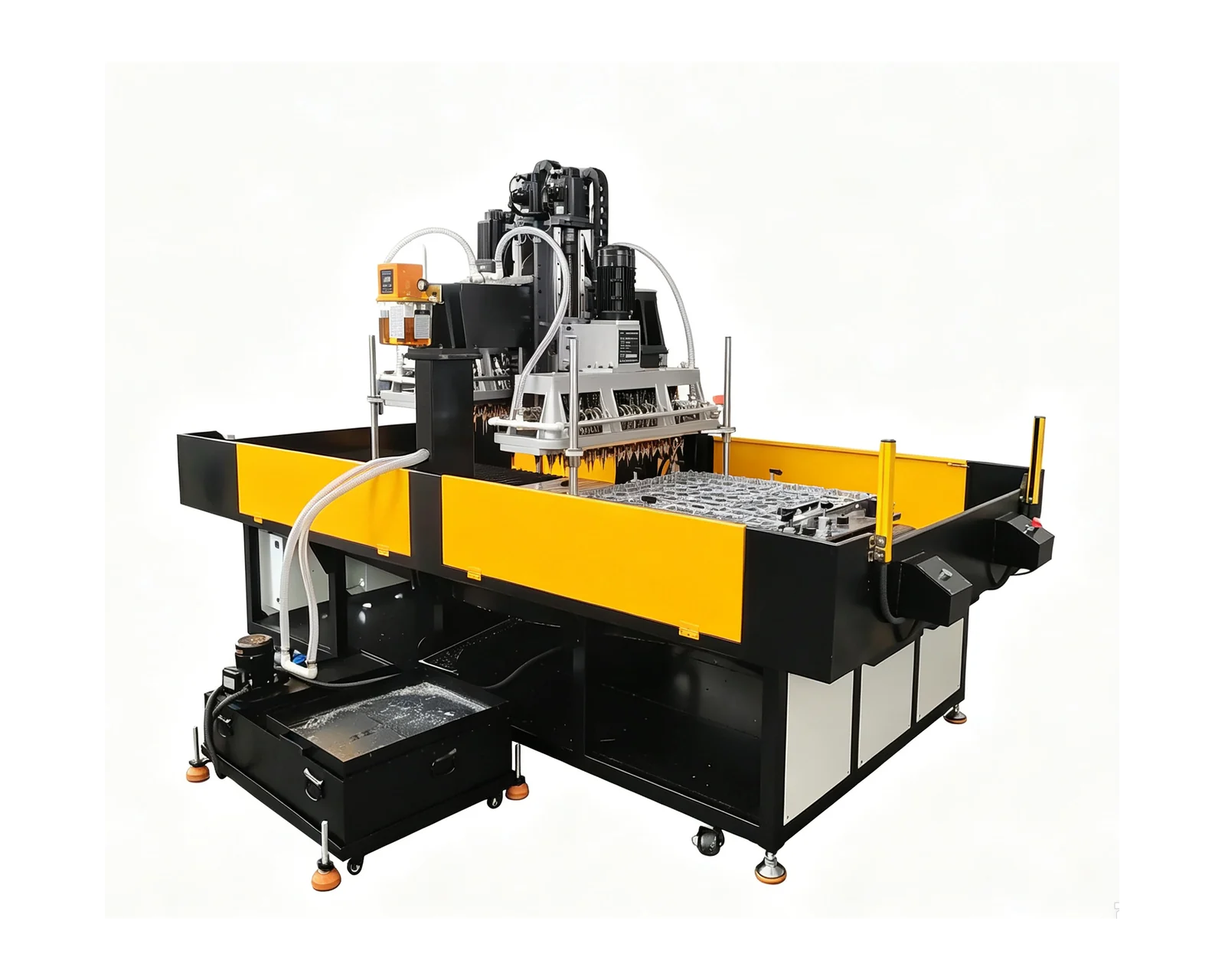
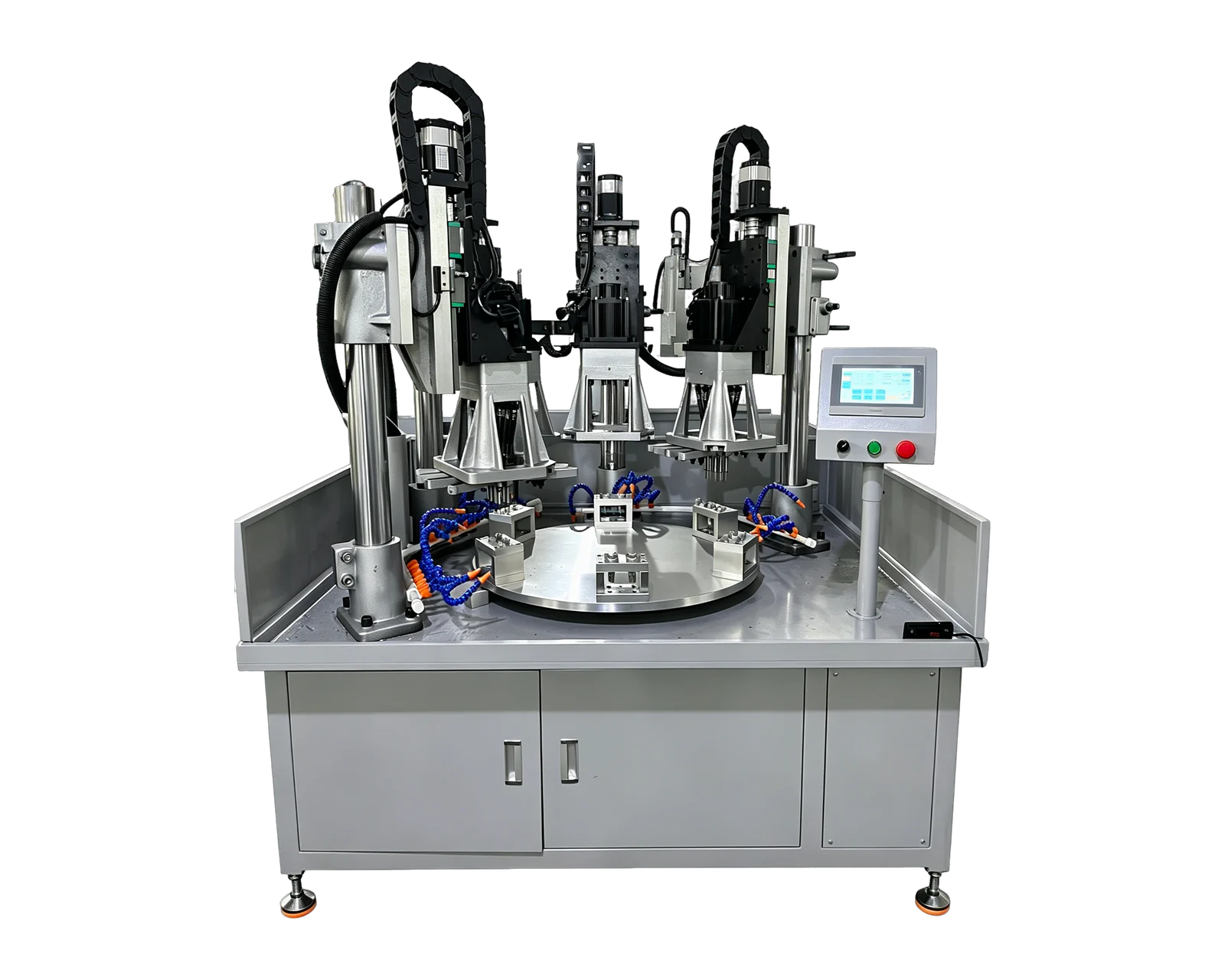
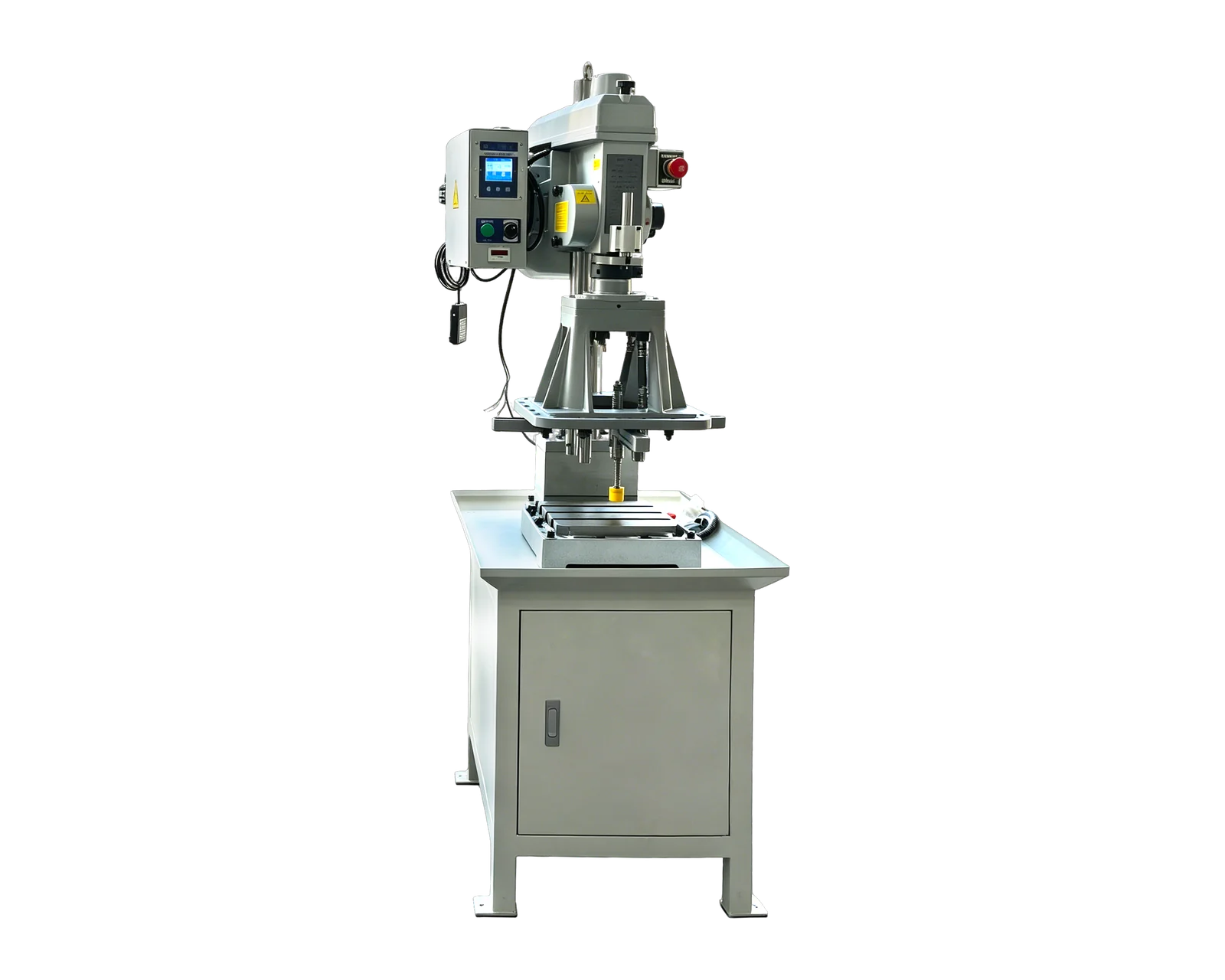
Explore equipment for your inquiry
Dual-Servo Multi-Spindle Drilling & Tapping Machine →Review the published specifications and configuration options against your part drawing before requesting a quote.
Collect facts from the people responsible for factory services
Begin with a dated record prepared or confirmed by the site's responsible facilities personnel. Identify the intended installation location and the information source for each utility. A specification copied from another machine may describe that machine rather than the services available at the new location. Mark information that still requires confirmation instead of asking the equipment supplier to infer it from the destination country.
For electrical supply, record the site's stated voltage, frequency, phase arrangement and other interface information requested by the supplier. For compressed air or another required service, provide the available supply information and its measurement or document reference. These are purchasing inputs for a technical review, not instructions for connecting equipment. Have the responsible site and equipment specialists resolve compatibility and connection details.
Use one row for each actual connection boundary
A useful record names the location where the buyer's provision meets the supplier's provision. Do not combine the main machine, a separate feeder and a buyer-supplied accessory under one vague line called utilities. Use the table below as a field list and leave numerical requirements to the reviewed configuration. Include a status and a named owner for every unresolved entry.
Include every quoted accessory in the review
Ask whether the utility schedule covers the complete quoted assembly or only the base platform. A feeder, handling unit or other separately supplied item may have its own documented requirements. Record which party gathers that information and how it becomes part of the final interface schedule. An accessory described as included in the price should still have an identifiable utility boundary.
In a hypothetical project, purchasing provides the services available beside an existing tapping machine, then adds a separate feeding unit during quotation. The earlier site record remains useful, but the combined arrangement needs a new review. The decision is whether the available services and connection responsibilities cover the revised scope; the original machine's successful operation does not answer that question.
Separate availability, requirements and compatibility decisions
Label each value as site-confirmed, supplier-proposed or pending. Record the configuration revision against the supplier's utility schedule. Where an item is uncertain, request the missing information and the date at which it can be confirmed. Avoid treating a planning estimate as a final requirement simply because it appears in an early quotation attachment.
Ask who will review discrepancies and issue the agreed interface record. Purchasing can coordinate the discussion, while the responsible technical parties assess the actual equipment and site services. Keep any resulting equipment scope change visible in the quotation. Do not assume that a supplier's acknowledgment of your inquiry means every utility detail has been accepted or that site connection work is included.
Carry the agreed interface record into the order
Before releasing the configuration, retain the utility schedule, the buyer's site information and the responsibility boundary together. State which details remain provisional and what decision depends on them. Link the record to the accessory list so a later addition triggers review of the affected services. This makes the purchasing package useful to the facilities team without turning it into an installation procedure.
For a BINSING inquiry, email the part drawing, proposed machine arrangement and available utility information. Name the site contact who can answer interface questions, and identify services that are not yet confirmed. Request a configuration-specific requirement schedule and a clear statement of supplied equipment. That exchange creates a practical basis for resolving utility questions before shipment planning depends on them.