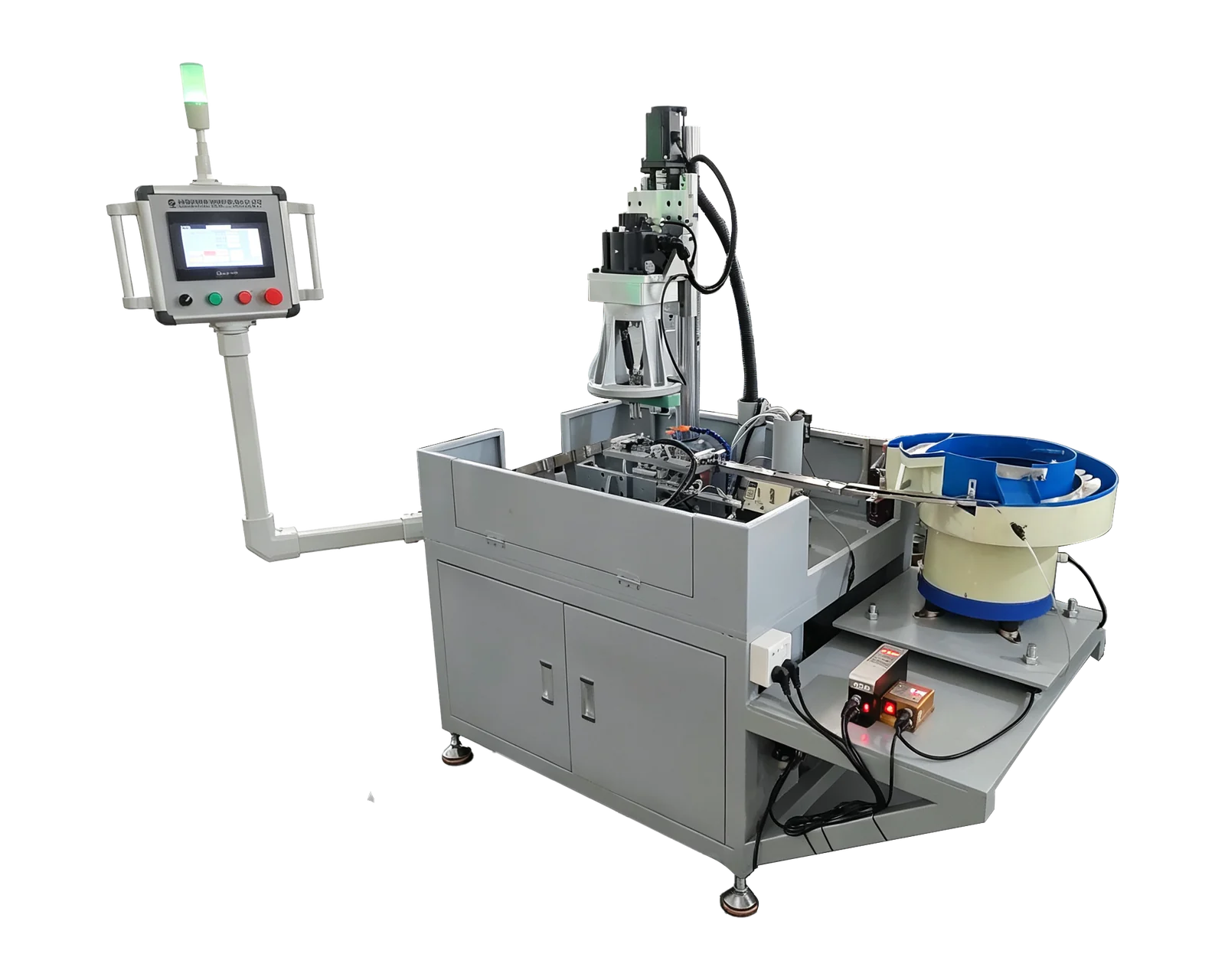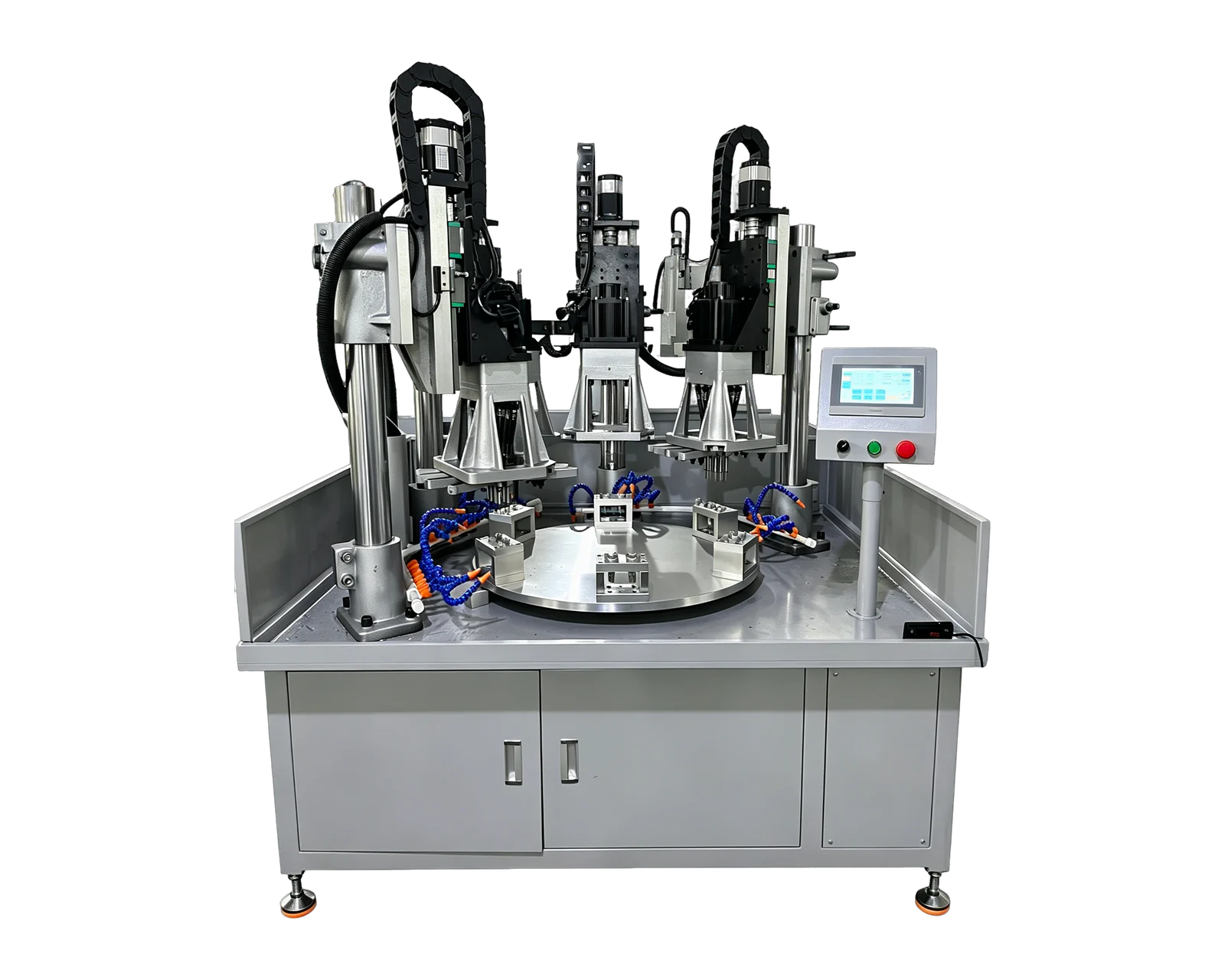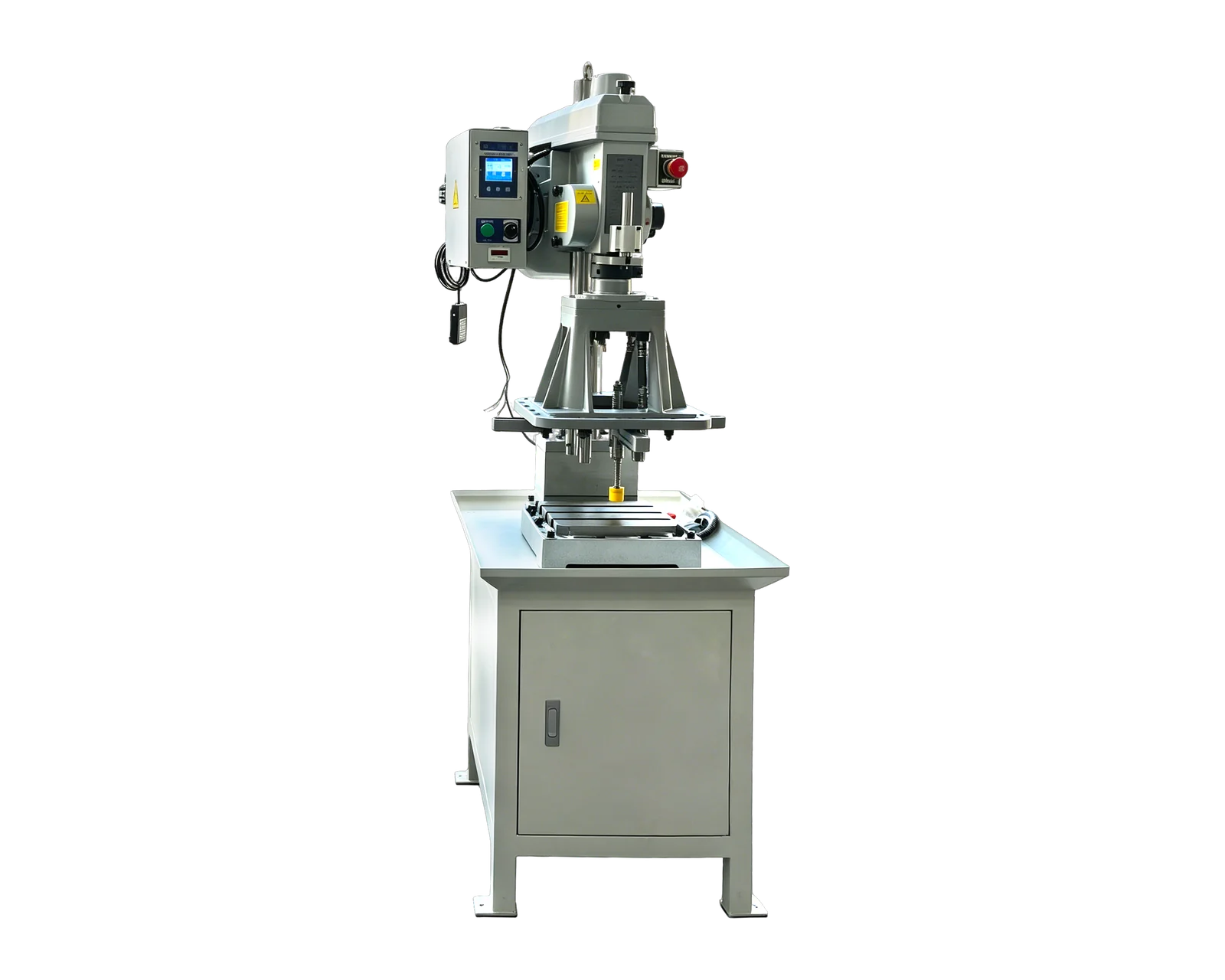
Explore equipment for your inquiry
4508 Gear-Driven Automatic Tapping Machine →Review the published specifications and configuration options against your part drawing before requesting a quote.
1. Describe the features rather than only the product name
A terminal-part label does not define the machining task. Provide the current component drawing and identify every requested hole, thread and related feature. Include the complete thread designation, required extent and drawing-specified inspection requirement. Mark openings that already exist and state their incoming specification. A supplier needs this information to distinguish tapping a supplied opening from producing additional features first.
Give the material designation and the actual condition supplied to the station. If an installed component is present, show it and identify which item contains the target feature. Avoid replacing the controlled material or assembly description with an assumed category based on appearance. Keep features outside the proposed machining scope visible but clearly assigned elsewhere.
2. Put the finishing stage on the inquiry drawing
State whether the parts arrive before or after the specified plating or surface-finishing operation. Provide the requirements applicable at the machining stage and those applicable to the final supplied component. If the process route is still being evaluated, request separate scope assumptions rather than allowing suppliers to select different routes silently. The responsible product and process owners should approve the route and its acceptance requirements.
3. Expose differences that photographs may hide
List variants that share an external shape but differ in material, thread definition or finishing condition. Include part numbers and revisions with each sample and drawing. Ask the proposal to state which versions are covered and what information is needed when the production batch changes. A shared outline does not establish that the same reviewed tooling, fixture or handling arrangement covers every version.
Describe how incoming lots are identified and how finished parts should be collected. If automatic feeding is being considered, provide representative parts in their actual supplied condition and define the desired handling boundary. Any included identification or checking function should be described specifically. Do not infer mixed-part detection from the word automatic, or treat a feeder illustration as confirmation of suitability for your terminal geometry.
4. Compare offers at the same manufacturing stage
Hypothetical purchasing example: two externally similar connection blocks have different thread requirements, and one version arrives with its specified finish already applied. An inquiry containing only a photograph and the phrase tapping machine could conceal both differences. One supplier might assume unfinished incoming parts while another prices tooling for only the pictured version. Neither interpretation represents a complete comparison of the intended production scope.
The buyer can resolve this by supplying a version matrix, controlled drawings and a route showing the machining and finishing stages. Each offer should identify the versions and incoming conditions reviewed. Inspection after any subsequent operation remains assigned explicitly. This example concerns procurement information; it does not make a claim about electrical performance, qualification or a demonstrated BINSING terminal-part application.
5. Request evidence for the machining result you need
Agree which dimensional and thread checks will be used for the equipment review, who provides the inspection items and where the results are recorded. Distinguish checks on a machined sample from acceptance of the final component after all external operations. If the buyer requires other product assessments, list them as separate responsibilities instead of assuming that the machine trial establishes them.
Email BINSING the feature drawings, material information, finishing-stage map and variant list. Include output quantities and the intended loading approach so the response can distinguish a tapping platform from additional feeding or handling scope. Ask for reviewed versions, included tooling, exclusions and unresolved questions in the quotation. Select a configuration only after the specific parts and required manufacturing boundary have been assessed.