Explore equipment for your inquiry
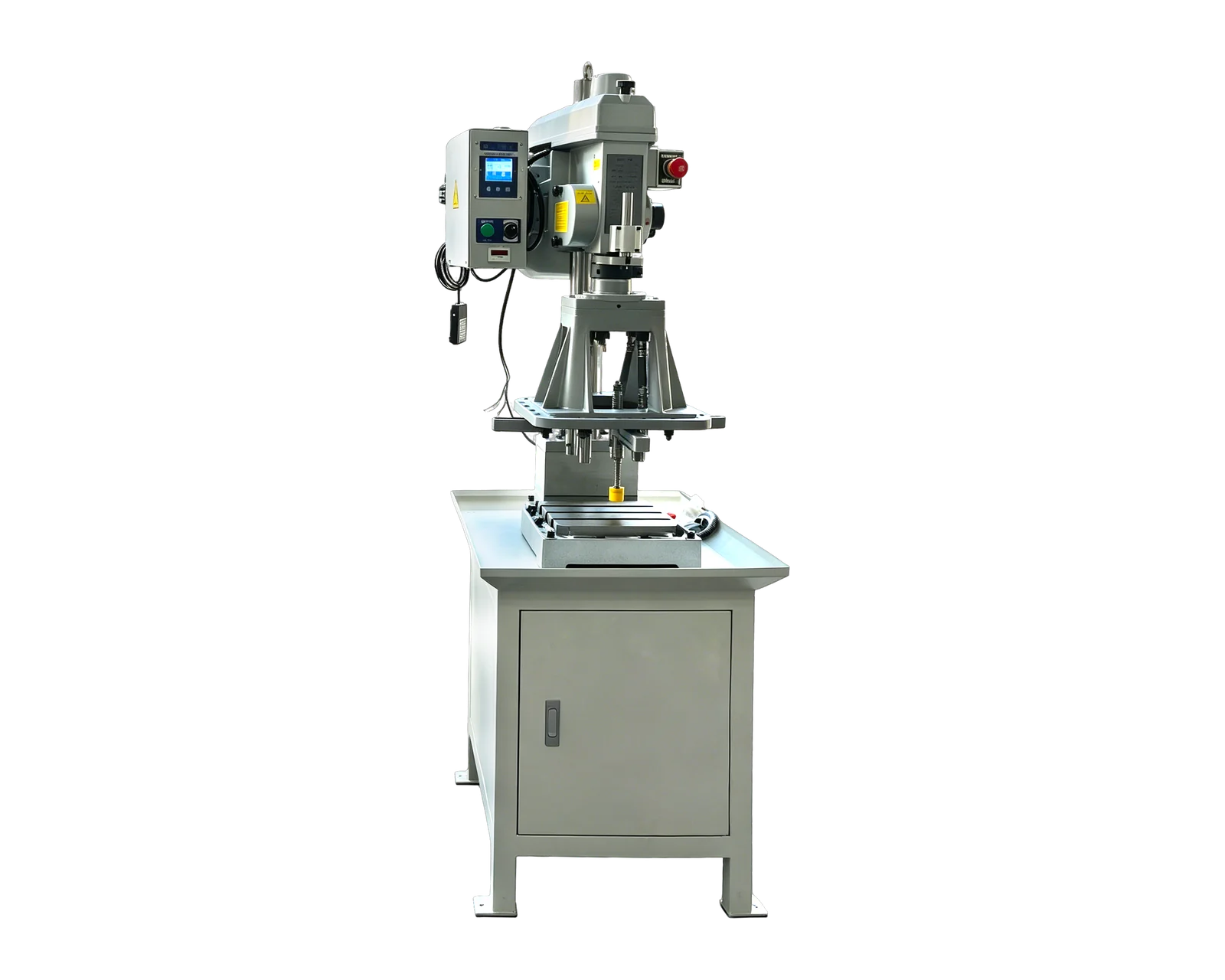
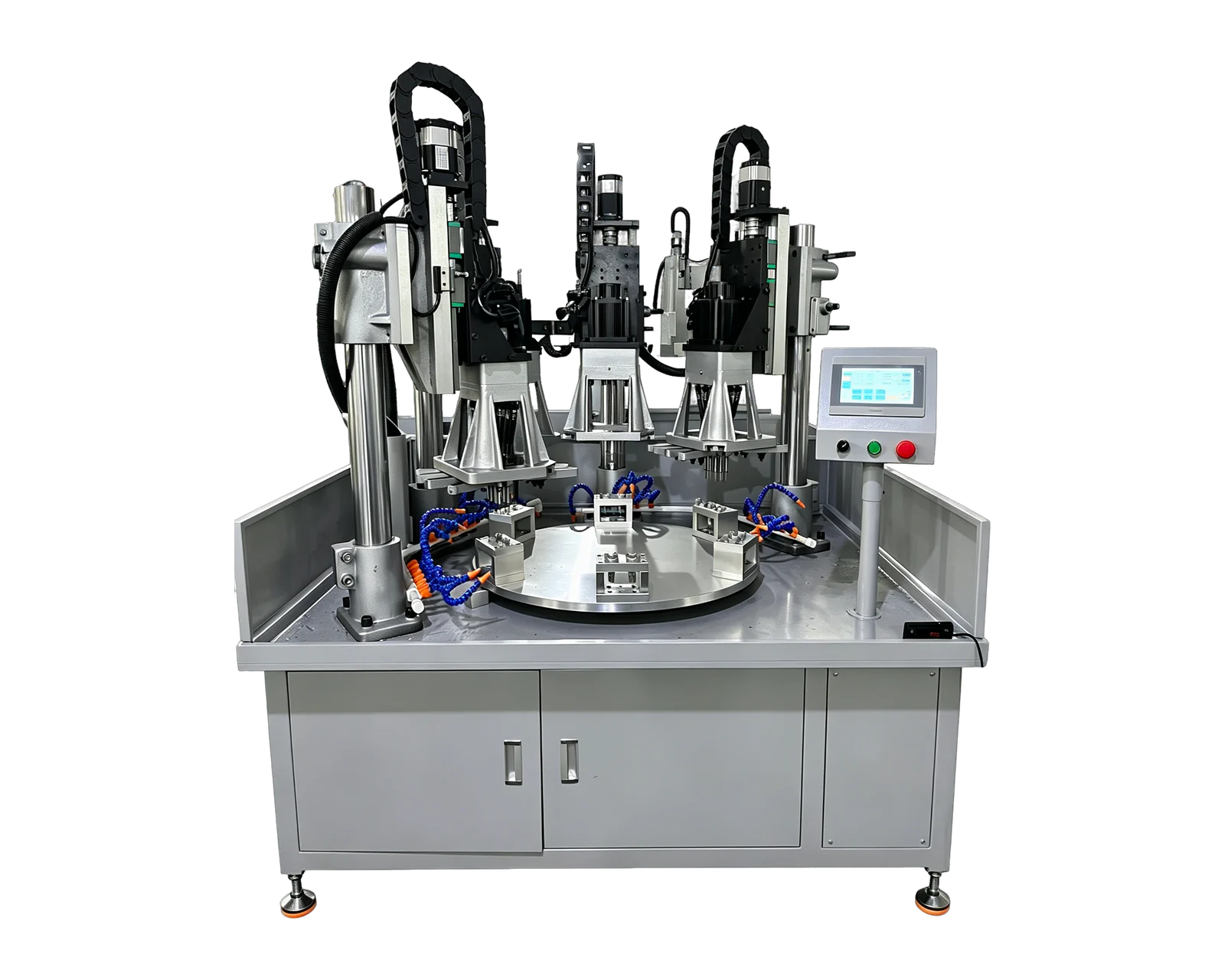
Rotary Indexing Drilling & Tapping →Review the layout options and required part information to define the scope of a custom equipment inquiry.
Describe the retrieval question first
Write the question that production or quality personnel need to answer later. Examples include identifying the incoming batch used for a production lot or retrieving the machining record associated with a particular part identifier. State who needs the answer and what information they expect to receive. This gives the equipment discussion a defined purpose instead of an open-ended requirement to make the machine traceable.
Choose the required identification level deliberately. A batch record links a defined group; an individual-part record needs a way to distinguish each relevant item through the agreed process. Specify the group boundary or identification method and explain what happens when parts leave that boundary. Avoid asking for individual traceability while providing only a shared container label as the proposed source.
Create a field and ownership table
List each required field with its source, capture point and responsible owner. The table is a requirements template, not a claim that a particular machine supplies these functions. Confirm the proposed method, interfaces and deliverables in the equipment scope before relying on them.
Define the exceptions that can break the link
Discuss mixed containers, unreadable identifiers, duplicate entries, reworked parts and interrupted batches. For each relevant case, identify how the item is recognized, who decides its next status and how the record is corrected or supplemented. Keep the original event and subsequent decision distinguishable. A normal production example may look complete while leaving these common decision points undefined.
Consider a hypothetical batch split between two machining periods. If both portions retain the same incoming lot reference, the record still needs an agreed way to distinguish their operation histories where that distinction matters. The solution might be a documented sub-batch convention rather than an individual marking requirement. Choose the method from the retrieval need and confirm who maintains it when containers are divided or combined.
Separate machine events from the complete information flow
Specify where identifiers originate and where records are expected to end up. If a reader, marking device or external system connection is requested, provide the available interface requirements and identify who reviews compatibility. Do not treat a request for production data as confirmation that an existing machine includes a connection to your factory system.
Clarify what should happen when the agreed record destination is unavailable or an identifier cannot be captured. Ask the responsible teams to define the required status indication and decision process. Record any manual steps explicitly, including who performs them and how their completion becomes visible. A hybrid arrangement can only be evaluated fairly when its human and equipment responsibilities are both included.
Review the proposal with a complete example record
Prepare a sample of the record you expect to retrieve, using clearly fictional identifiers. Walk it from incoming identification through the requested machining event to the agreed destination. Add one exception example and ask which party supplies each element. Keep the review focused on record continuity; the criteria for measuring or accepting a machined feature belong in the separate inspection and acceptance requirements.
Email BINSING your part drawing, identification level and example record when discussing traceability needs. Include any existing marking or data-interface documents and the team responsible for the external system. Ask the proposal to identify included functions, buyer-provided inputs and unresolved interfaces. This makes traceability a reviewable equipment requirement while keeping responsibility for the wider production record explicit.