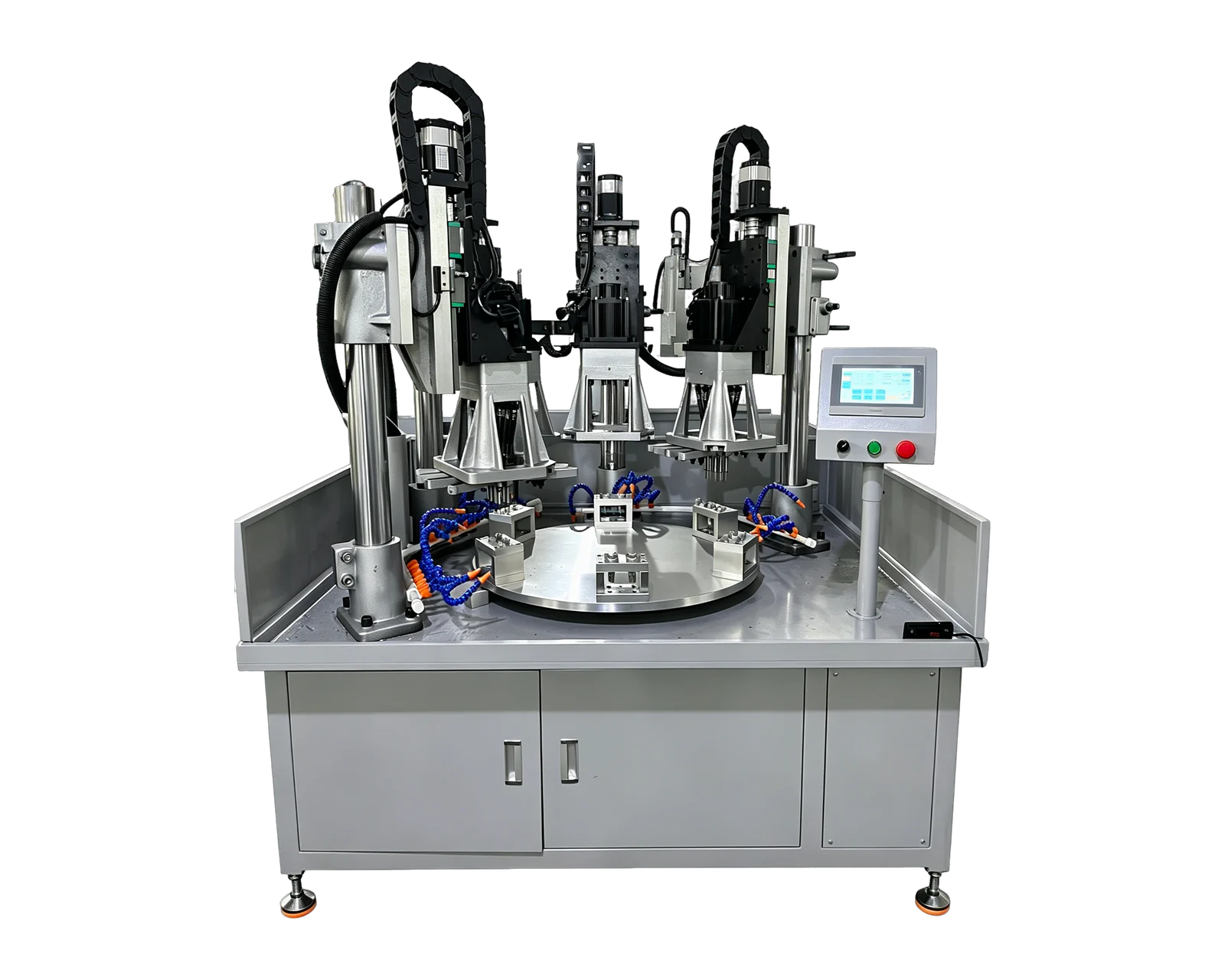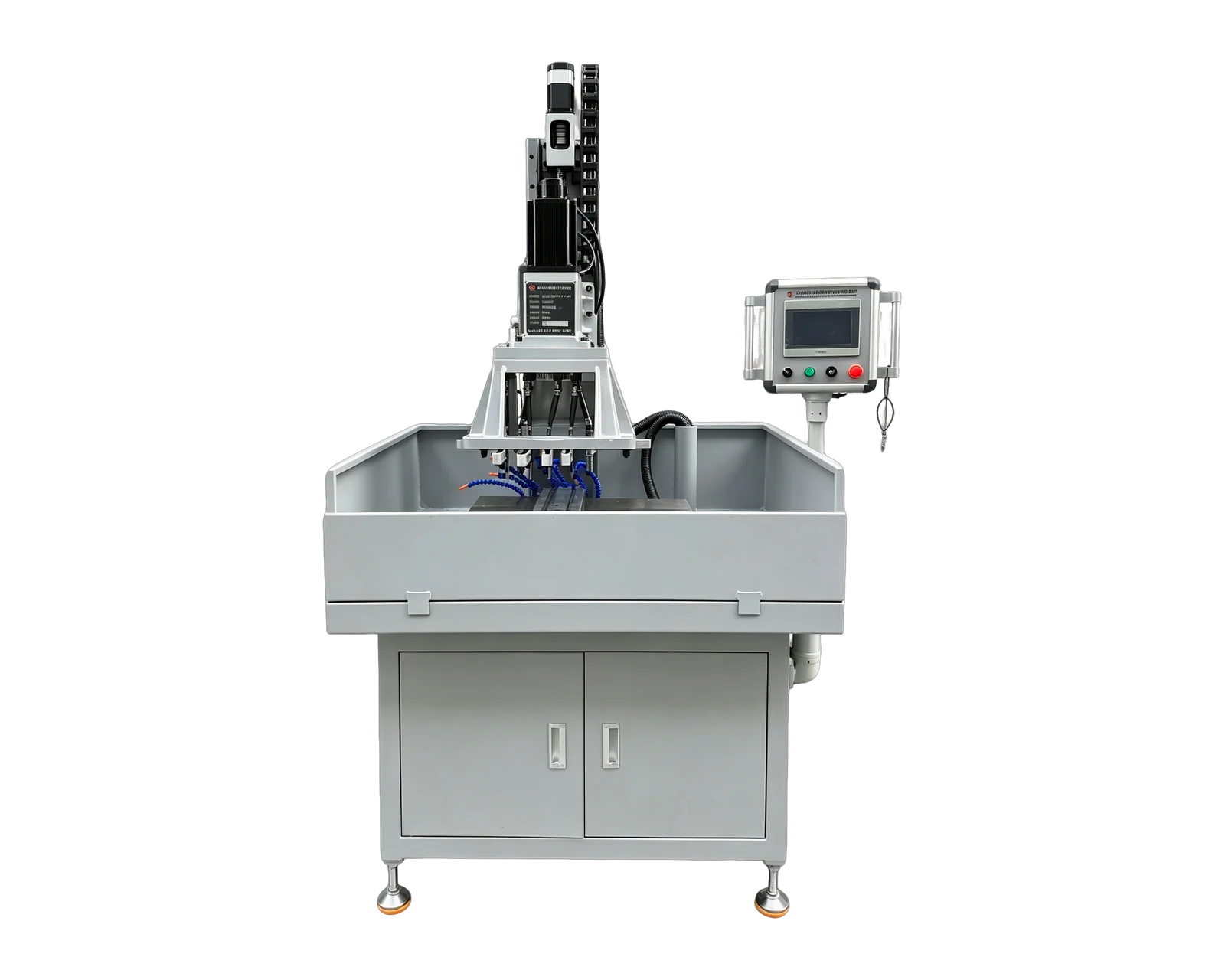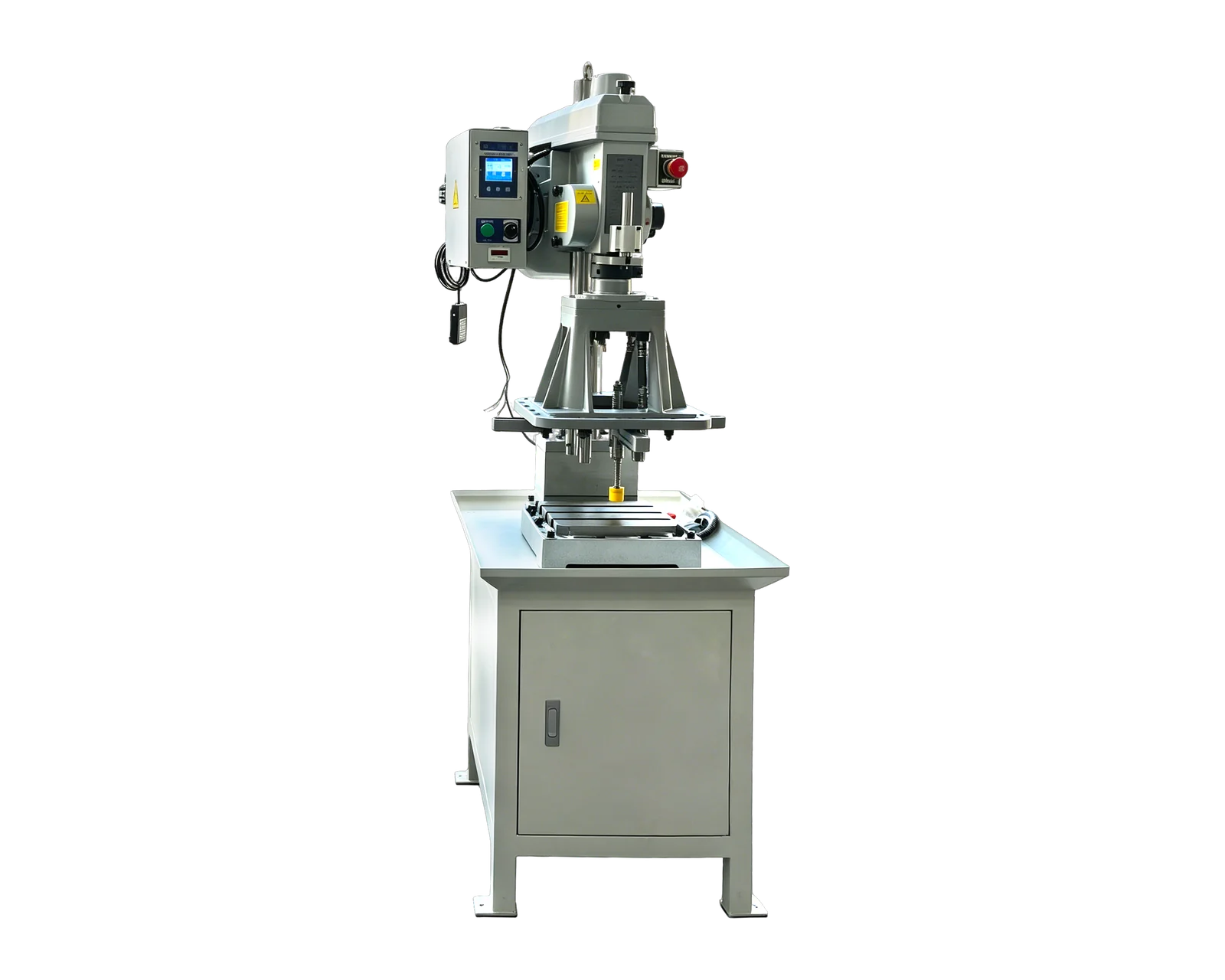
Explore equipment for your inquiry
4508 Gear-Driven Automatic Tapping Machine →Review the published specifications and configuration options against your part drawing before requesting a quote.
Name the question each check answers
Begin with the actual requirement rather than the label automatic inspection. A check might establish that a component is present, that a sequence reached a particular state, or that a specified feature meets a measurement requirement. Those questions require different evidence. Record the exact conclusion each proposed check supports and avoid extending that conclusion to features it does not examine.
Use the drawing and quality plan to identify what determines part acceptance. Then ask which checks belong inside the proposed machine and which remain outside it. Standard platforms and custom cells both need this boundary. For each feature, record the drawing reference, acceptance requirement and intended check. This lets the supplier respond to a specific requirement instead of interpreting a broad request for quality control.
Create a check-by-check responsibility matrix
The examples below illustrate categories to discuss, not features included in a BINSING machine. For each actual project item, add the proposed method, requirement reference and owner. An item can remain unresolved during early inquiry, but it should not disappear between the equipment quotation and the factory quality plan. Assign a person to resolve each open row before the relevant scope is approved.
Define the separate measurement work
When dimensions are inspected outside the machine, identify who provides the measurement equipment, who performs the checks and where they occur. Reference the applicable drawing requirements and the buyer's approved inspection plan. Clarify sample selection and frequency through that plan rather than assuming a universal sampling rate. If the project needs measurement capability evidence, agree its scope and responsible party explicitly.
Record the condition in which the part is measured, including any separate cleaning or preparation required by the agreed method. This helps connect the observed result to the production route. Keep equipment supply, inspection labor and review authority separate; a quotation that includes a gauge does not automatically include an ongoing inspection service or responsibility for releasing production at the buyer's factory.
Connect results to parts and decisions
Define the identifiers needed to connect a result with a part revision, batch and relevant machine configuration. Ask what information a proposed machine record actually contains and whether that function is included. Do not assume every status signal is stored, exportable or traceable to an individual component. If traceability is a requirement, describe the required record and retrieval use before requesting a solution.
Name the person or role responsible for reviewing uncertain or nonconforming results and deciding the next action under the factory's quality procedures. Clarify how affected parts are identified and kept from routine release. The scope record should identify the decision authority, communication route and disposition record. It should also state who confirms that the evidence is sufficient before the identified batch moves to its next operation.
Close gaps between the machine quote and quality plan
Review the responsibility matrix with purchasing, production and quality before approving the equipment scope. Confirm that every required outcome has a method and owner, even where the supplier does not provide the check. Highlight optional detection or measurement provisions separately. A shared matrix makes it easier to see whether an apparent price difference reflects different inspection responsibilities rather than equivalent supplied equipment.
During the agreed demonstration, evaluate the checks actually included and retain their limitations. If a later drawing revision changes a tolerance or introduces a new feature, revisit the relevant row instead of assuming the existing check remains sufficient. Email BINSING the marked drawing and your inspection responsibilities to discuss the machine boundary. Ask which requested checks are proposed, excluded or awaiting further assessment.