Explore equipment for your inquiry
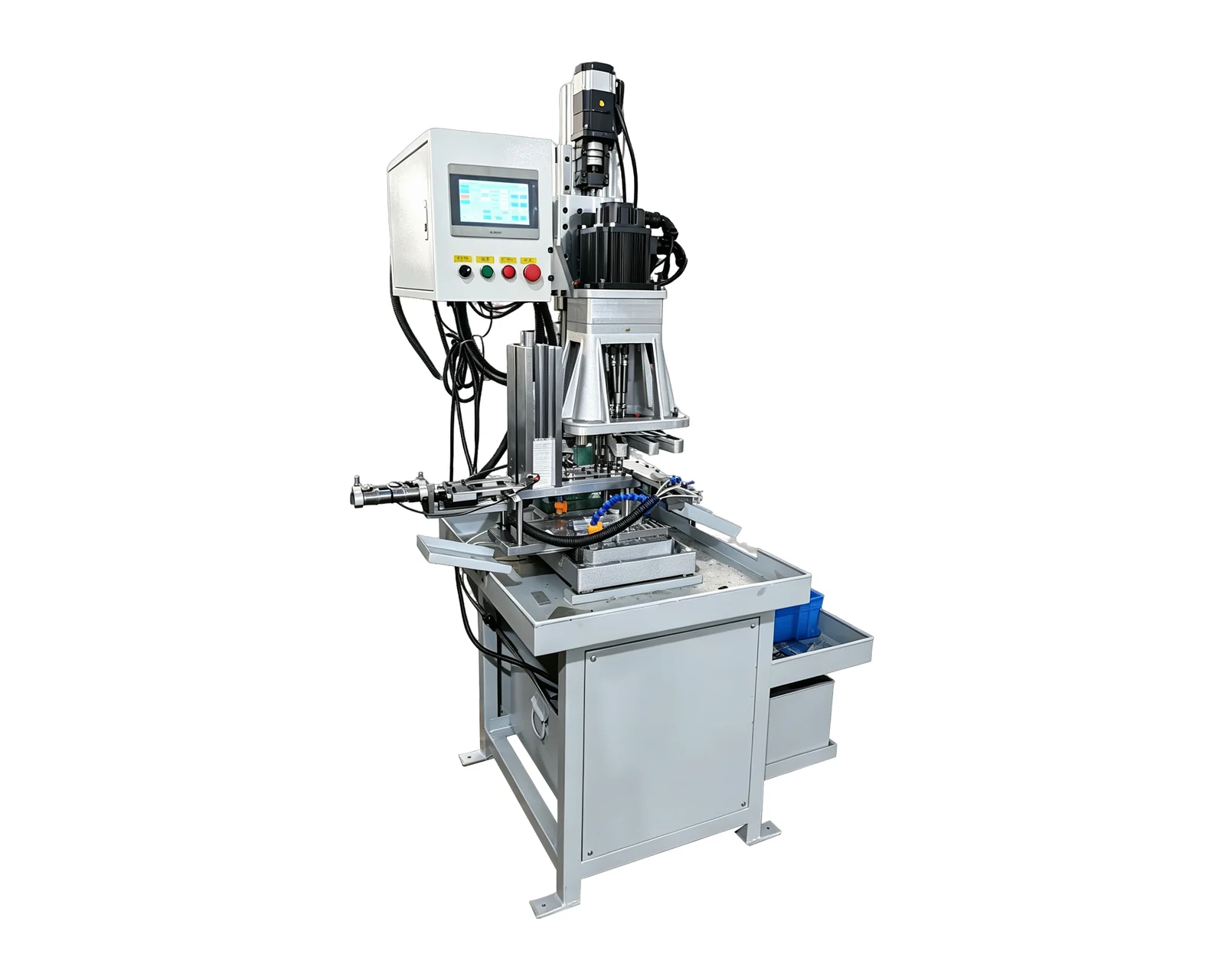
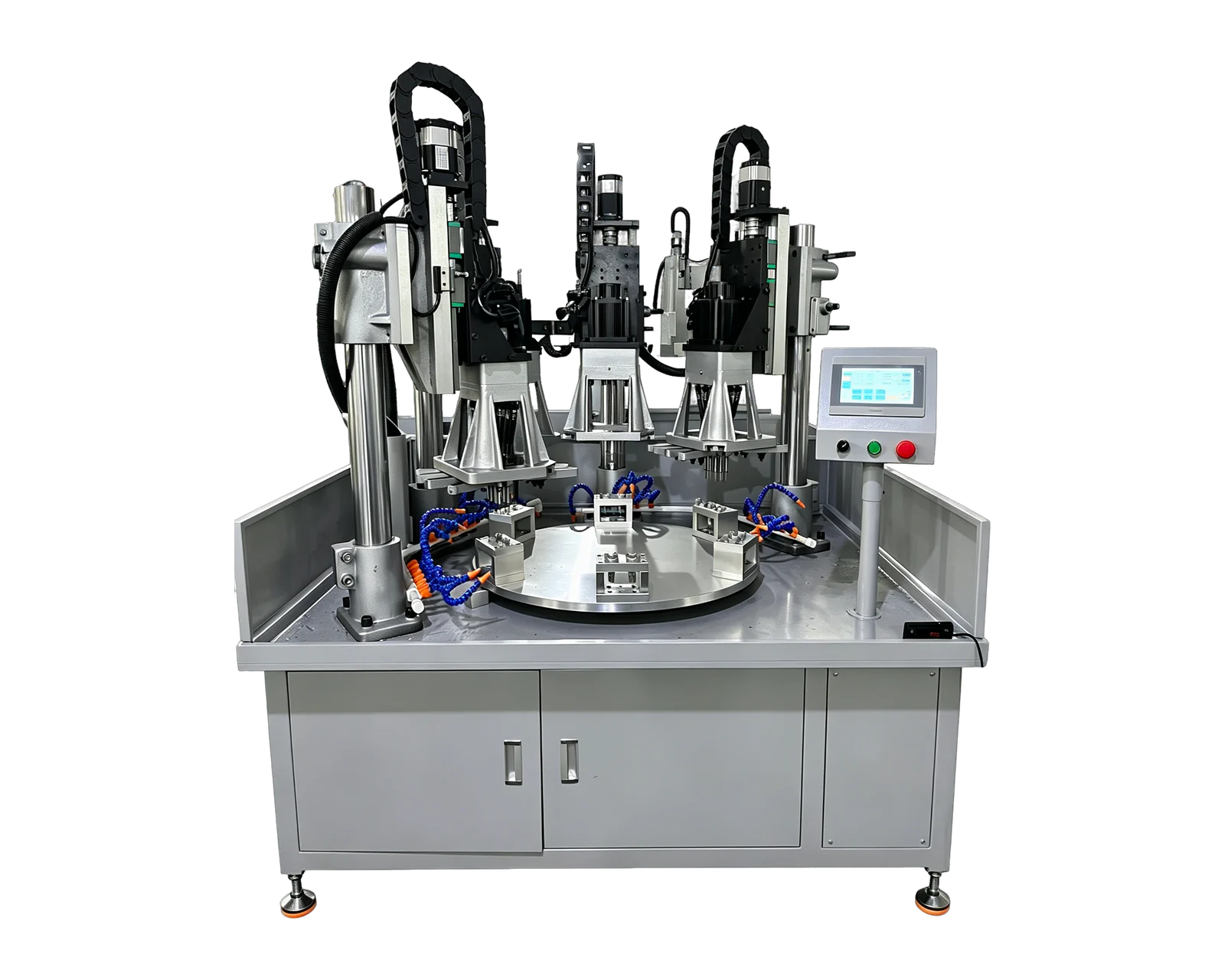
Rotary Indexing Drilling & Tapping →Review the layout options and required part information to define the scope of a custom equipment inquiry.
Show the line as it exists today
Send a current layout with the proposed machining location and the neighboring operations. Identify the physical handoff points and show how parts arrive: loose, oriented, in trays or on carriers. Include carrier ownership, return routes and space occupied by incoming and finished work. A product photograph alone cannot show whether the station fits the existing material flow or who provides the transfer equipment.
Describe the normal production sequence and known variations, including shared upstream equipment and downstream inspection holds. Give the actual part mix and production window instead of only the fastest cycle quoted for a neighboring machine. Identify the person responsible for the existing line and the party expected to coordinate the addition. Integration questions need a named decision owner across the equipment boundaries.
Create one register for the shared interfaces
An interface register should say what crosses a boundary, which party supplies each side and how agreement will be recorded. Use the existing equipment documentation where available. For controls and information exchange, ask the responsible technical parties to define the required states and their interpretation; a general promise that two machines can communicate leaves too much unresolved for a comparable quotation.
Explain what the buffer is expected to absorb
A buffer is a production assumption that needs a defined purpose. Describe whether it separates different batch schedules, allows time for replenishment or accommodates interruptions at another process. State any restrictions on mixing part variants or retaining parts between batches. Buffer quantity alone does not explain how the line should behave when the buffer becomes empty, full or unavailable.
Consider a hypothetical line in which drilling and tapping feeds a separate inspection step. The inspection step sometimes holds a batch for review. The buyer should explain where uninspected parts may wait, how their identity is preserved and who authorizes onward movement. This discussion may change the proposed transfer arrangement without changing the machining operation itself. Keep these decisions visible in the line scope.
Review interruptions as well as normal production
Ask the integration parties to describe agreed responses when an upstream machine has no part available, a downstream station cannot accept a part or a batch identifier is missing. This is a requirements discussion, not an operating procedure. The objective is to discover dependencies and responsibility gaps before equipment is ordered, including which issues belong to the new station and which belong to existing controls.
Record whether the machine will also be evaluated as a standalone station and what temporary arrangements that evaluation needs. Separate local machining evidence from evidence of the connected sequence. A supplier may demonstrate a part-making operation while the final receiving machine is unavailable; that result should identify what was demonstrated and which interfaces still require an on-site or combined review.
Quote the integration work as identifiable deliverables
Request distinct descriptions for the machining equipment, transfer hardware, changes to existing equipment, interface documentation and combined demonstration. Assign site measurements and confirmation of existing information to named parties. Include the timing of access to the line and any dependencies that affect the review. This makes it easier to compare scope and identify work that is currently outside every supplier's proposal.
Send BINSING the part drawing, current line layout and a draft interface register for an initial discussion. Identify which neighboring suppliers will participate and what information is still missing. Ask for open interfaces to be listed alongside the proposed equipment direction. The resulting proposal should describe both the part-making task and the connection work that must be resolved before the addition can be assessed as a working line.