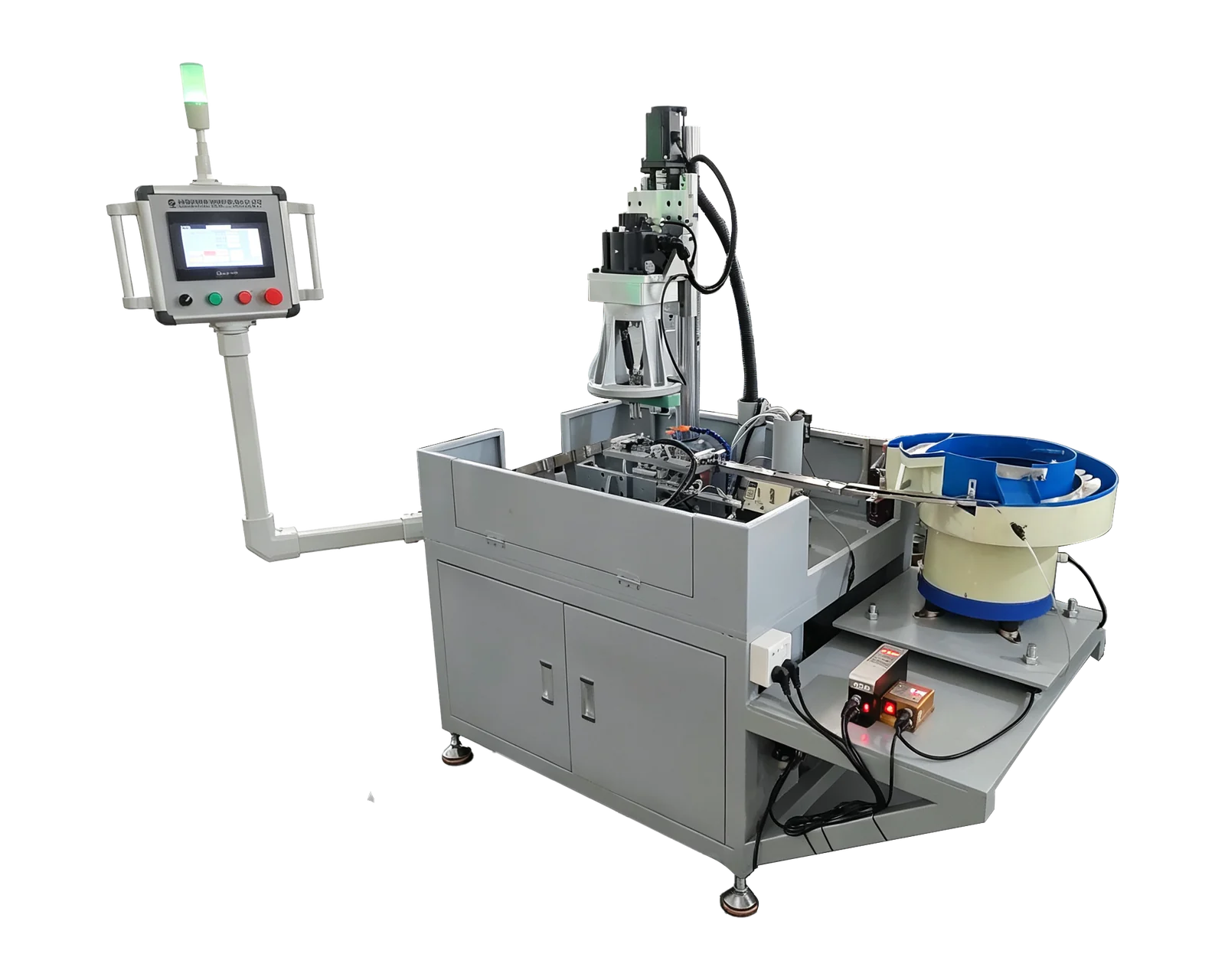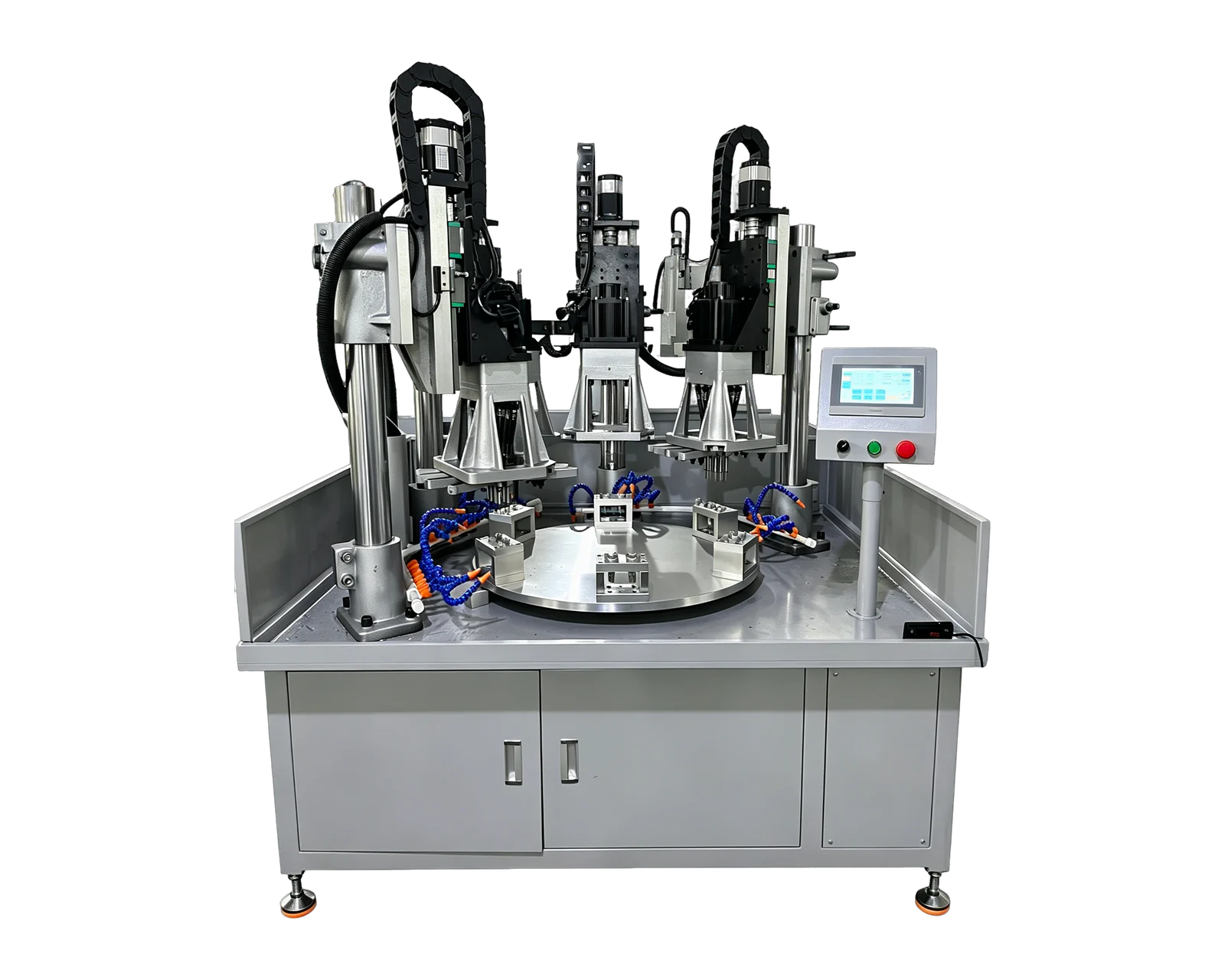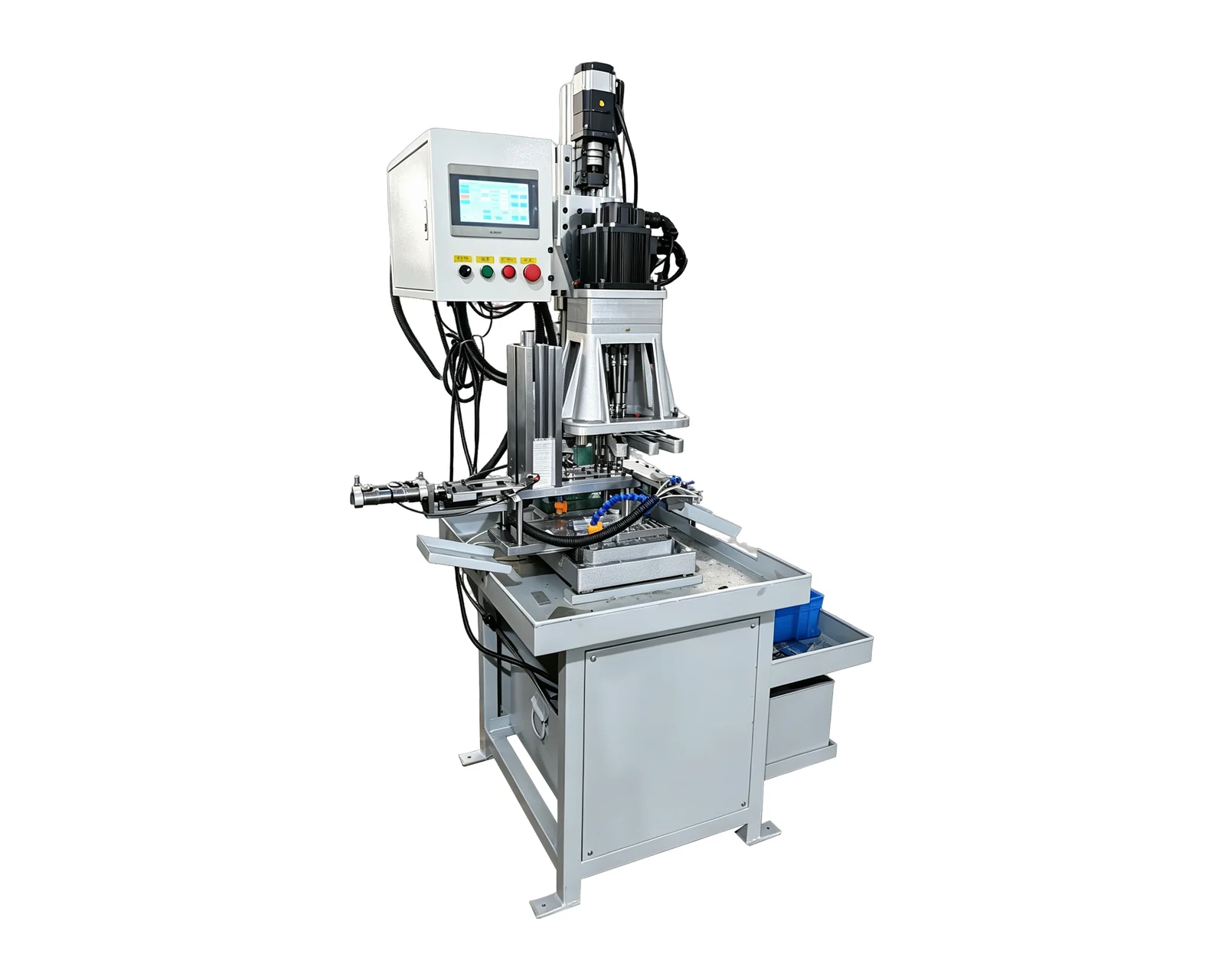
Explore equipment for your inquiry
Automatic Feeding & Tapping →Review the layout options and required part information to define the scope of a custom equipment inquiry.
Describe what the pilot actually demonstrated
Start with a baseline containing the part revision, incoming lot, machine configuration, tooling identities, setup record and inspection results. Add the observed process boundary and who performed the surrounding work. A pilot performed with selected blanks and specialist support may answer a useful engineering question while leaving normal incoming variation or routine staffing unexamined. Preserve that distinction in the handover record.
Use precise result statements. For example, identify which features were checked on which samples instead of writing production proven. Record any manual preparation, sorting or additional inspection used during the pilot. If those activities are intended to continue, assign them within the production route. If they are temporary, identify the replacement arrangement and the evidence still needed before removing them.
Compare pilot conditions with normal production
Create a difference register before scheduling the production release review. Each row should connect a changed condition to a question, an owner and a closure record. The following examples are planning prompts rather than mandatory tests for every application. Choose the relevant differences using the actual part requirements and the buyer's production system.
Close differences with targeted evidence
Avoid repeating the same sample demonstration simply to create a larger stack of results. Ask which production difference remains unresolved and choose evidence that addresses it. If a second incoming source is planned, identify its relevant variation. If the process will alternate between variants, examine the agreed transition rather than showing each variant only in an independently prepared setup. Keep the scope of each conclusion explicit.
In a hypothetical example, a feeder processes carefully separated pilot parts successfully, while production parts are scheduled to arrive in a different container condition. The missing decision concerns that incoming presentation and the agreed handling boundary. Increasing the number of pilot parts without changing the presentation may leave the same question open. Assign a review that represents the intended supply or retain an explicit preparation task.
Transfer records and decisions to production owners
Name the people who will control incoming acceptance, setup identification, finished-part release and escalation of unresolved conditions. Give them the applicable configuration and inspection records, not just the purchase order. Confirm where approved revisions will be retained and how superseded information will be distinguished.
Agree how early production observations will be recorded and reviewed. Link an issue to the affected part, lot, setup and requirement before assigning a cause. Separate a machine-scope question from an incoming-material question or a missing internal instruction. Where supplier input is requested, provide the relevant evidence and identify the decision needed; avoid sending an unstructured collection of photographs without sample or configuration references.
Make production release a documented decision
Prepare a short release record showing the demonstrated conditions, open differences, responsible owners and any agreed limits on initial use. Identify which items must be resolved before routine production and which have an approved follow-up plan. This record complements the contractual machine acceptance process. It also prevents unresolved buyer-side preparation from disappearing when the equipment itself has met its agreed delivery requirements.
For a BINSING project discussion, email the pilot results together with the intended production conditions and known differences. State whether you are reviewing a standard platform, a dedicated configuration or an added handling stage. Ask for the equipment-related gaps to be identified alongside the buyer's own readiness work. A clear handover connects successful samples to a repeatable, documented production arrangement without assuming that the pilot answered every question.