Explore equipment for your inquiry
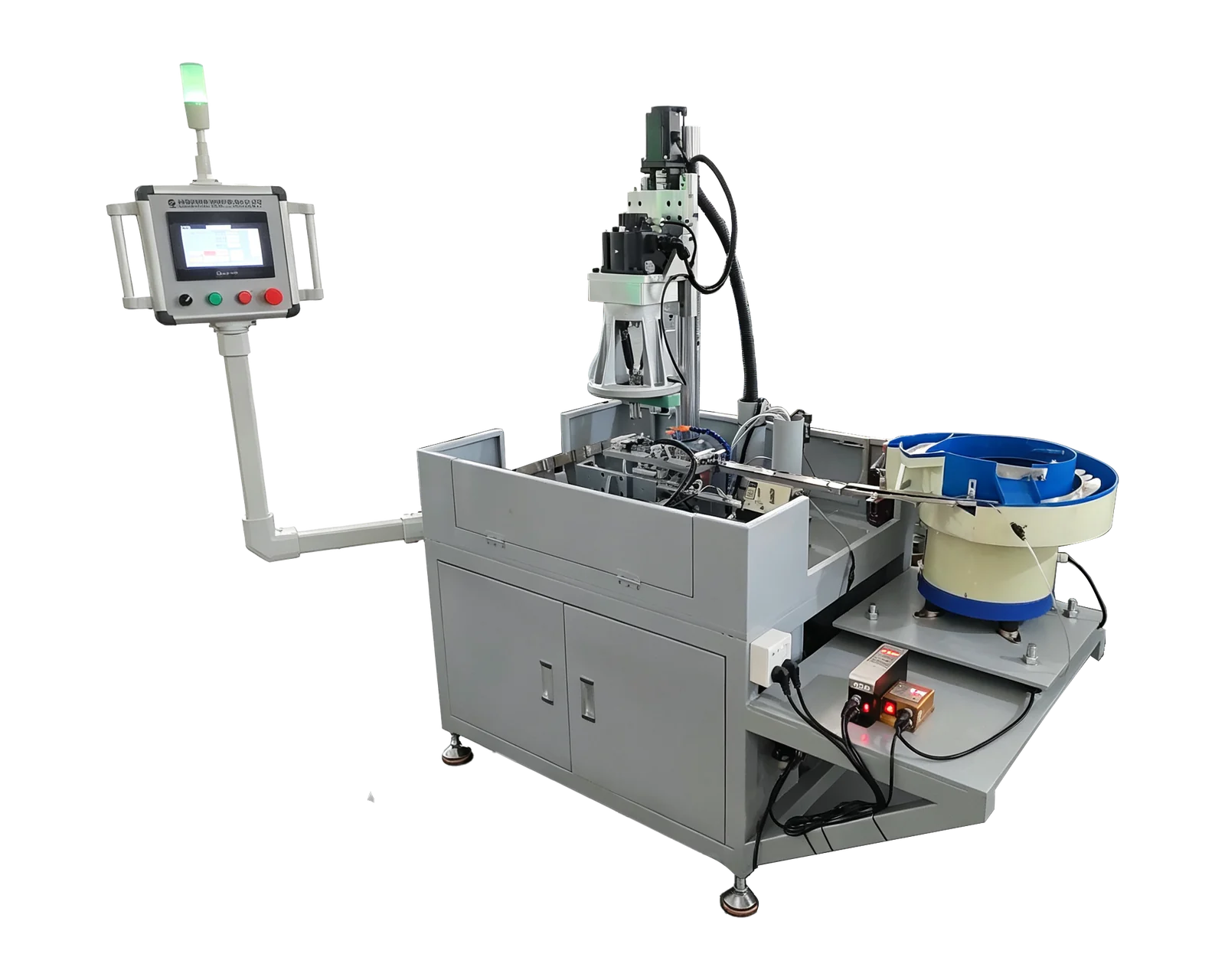
Automatic Feeding & Tapping →Review the layout options and required part information to define the scope of a custom equipment inquiry.
Write separate requirements for the two stages
Describe the initial purchase as a complete operating arrangement: incoming parts, manual loading boundary, machining operations, discharge and inspection responsibilities. Then describe the future arrangement you would like to assess. State which tasks would transfer from the operator to equipment and which would remain with your factory. This prevents the phrase future automation from covering several different expectations.
Mark the confidence of the future information. A confirmed part family and handling concept allow a different discussion from an unknown product that may launch later. Separate a genuine future requirement from a preference that has no drawing or production plan yet. The supplier needs to know which assumptions should influence today's design and which should remain open until the later project is defined.
Review the interfaces that connect the stages
An interface register captures the points that need an engineering decision. Ask the supplier to identify the proposed provision, information needed and limitations for each item, then connect that record to the initial quotation. A useful register includes the interface identifier, responsible party, current status and drawing or specification reference as well as the questions below.
Distinguish a provision from a confirmed capability
Use specific status language for every future item. Included means the initial supply contains the described provision. Reserved means an agreed allowance is made for a stated purpose. To be assessed means suitability remains unresolved. Excluded means the present purchase does not cover it. These labels help avoid treating an unused connector or an open floor area as proof that a later feeder can be fitted.
Ask which evidence supports each confirmed statement. Depending on the project, that may include a reviewed layout or an interface description for the identified equipment. A reservation does not remove the need for later design work, validation or changes to the initial arrangement. Record dependencies such as unchanged part geometry and an agreed handling direction beside the provision, where future decision makers can find them.
Compare the complete consequences of staging
Ask for a clear distinction between the base machine, any provisions purchased now and the future work outside the current quotation. Where future costs or timing cannot be established, record that uncertainty instead of filling the gap with an assumed upgrade price. Compare staging with an initially integrated proposal only when both use the same part family and production boundary.
Include the factory work needed for a later integration: production interruption, equipment relocation if required, updated documentation and renewed verification of the changed arrangement. Assign an owner to estimate each item before making the investment comparison. The eventual integration must be assessed as a complete system; a previously accepted standalone machine does not by itself establish acceptance of the later automated cell.
Set a review point before the second purchase
Preserve the initial scope record, layout assumptions and configuration identification. Before ordering later automation, compare the actual machine and current parts with those records. A revised fixture, different packaging or new output target can change the proposed connection even when the machining operation seems unchanged. Resolve those differences before a new supplier relies on the earlier reservation.
For a BINSING inquiry, email the current drawings and describe both the initial loading approach and the future task you want assessed. Automatic-feeding configurations can provide a discussion starting point, but compatibility with a particular initial machine remains a project-specific question. Ask for confirmed provisions and open items to be written separately so the first order remains clear and the later decision can use reliable information.