Explore equipment for your inquiry
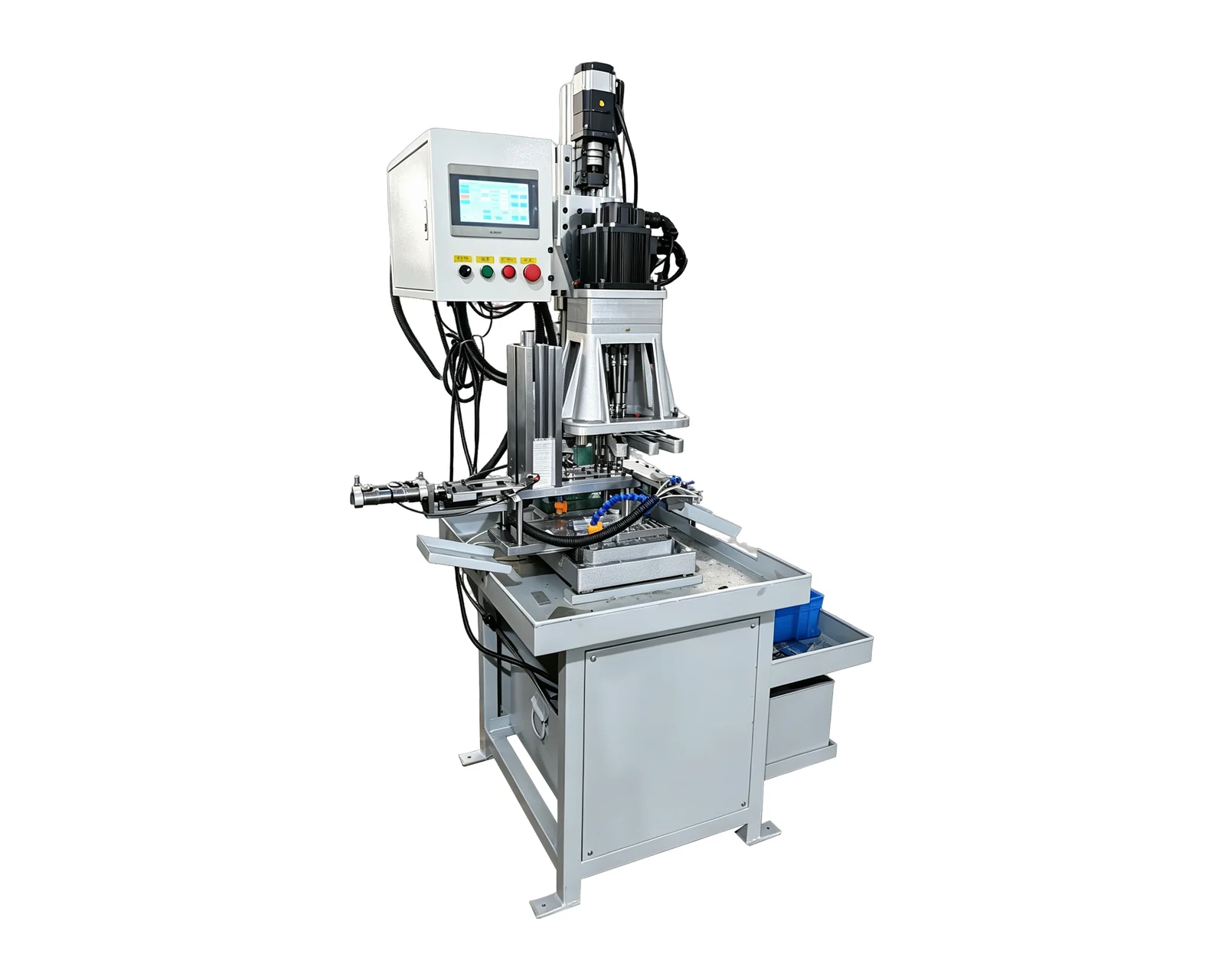
4508 Gear-Driven Automatic Tapping Machine →Review the published specifications and configuration options against your part drawing before requesting a quote.
1. Start before the part reaches the fixture
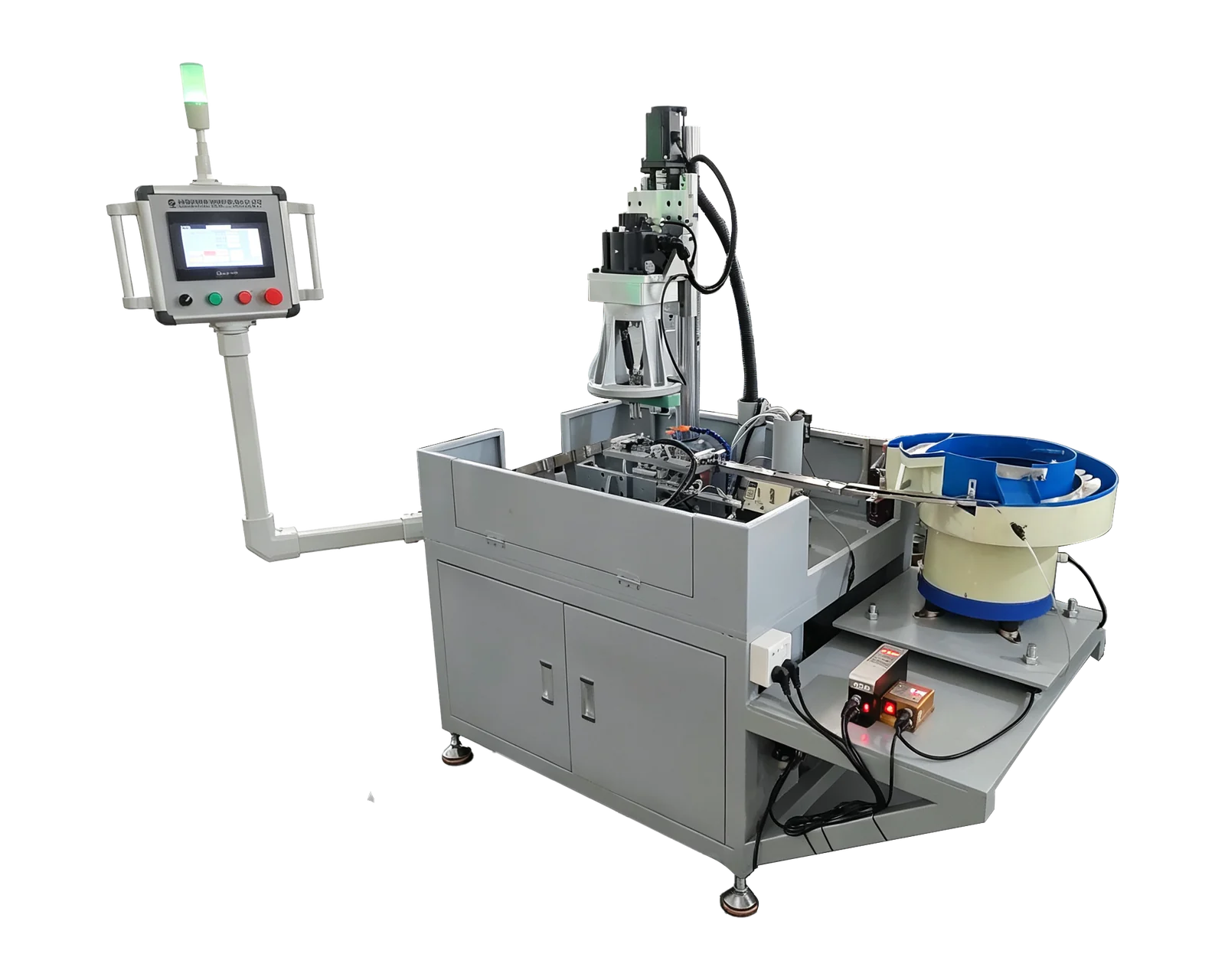
Describe how raw parts arrive at the proposed machine: loose in a container, arranged in trays, already oriented or supplied individually. State who replenishes that supply and whether another process must prepare the parts. Automatic machining after a person places the workpiece can meet one production requirement while leaving another buyer's handling objective unresolved.
Continue the description through finished-part collection. Ask whether parts leave in a defined orientation, whether they need to stay separate and who removes the completed output. A proposal that automates loading but requires manual sorting afterwards has a different process boundary from one that includes that downstream task. Make the distinction visible before comparing prices.
2. Assign each task to the machine or the operator
Request a responsibility matrix for each option. Include equipment supplied by your factory and tasks that remain undecided. This makes quotations comparable without relying on the seller's use of an automation label. Detection, handling and inspection functions should appear as explicit items when they are required, rather than assumptions attached to the word automatic.
3. Compare handling against the actual product mix
Provide the range of shapes, finishes and incoming conditions the handling system must accept. Explain changeover frequency as well as batch size. Ask what changes in the feed path, transfer or fixture for each variant and what preparation is needed before parts can be supplied. A repeatable machining operation does not automatically imply that bulk feeding is suitable.
Illustrative purchasing scenario: one factory already receives parts in reusable trays, while another receives the same part loose in containers. Their loading projects start from different conditions. Compare the cost and work of supplying the proposed input format as part of the decision; do not assume that the same feeding arrangement is equally useful for both factories.
4. Discuss staffing across a working period
List the actions an operator performs during normal running, replenishment, tool changes, checking and interruption recovery. Ask for a demonstration that makes those actions visible. A short clip of unattended machining does not establish how long a cell can operate without attention or how many machines one person can support in your factory.
Keep access and recovery within the equipment review. Ask how the proposed arrangement handles an empty supply, a part that does not reach its intended location or a processed part that remains in place. The required response, operator involvement and applicable guarding arrangements should be clarified for the project. Do not assume those functions are included because another demonstration shows them.
5. Decide whether to buy one stage or a complete scope
If you are considering manual loading first and automatic loading later, ask for that future intention to be assessed before ordering. Clarify which interfaces or layout decisions would need review, what equipment is excluded now and whether later changes would require new workholding. Treat future expansion as an open project requirement unless it is specifically confirmed.
BINSING offers standard machining platforms and custom automatic-feeding or rotary-indexing layouts as separate starting points for assessment. Select between them using the part, required handling boundary and factory responsibilities. Acceptance should demonstrate the agreed sequence with representative incoming parts and record any manual intervention required during the observation.