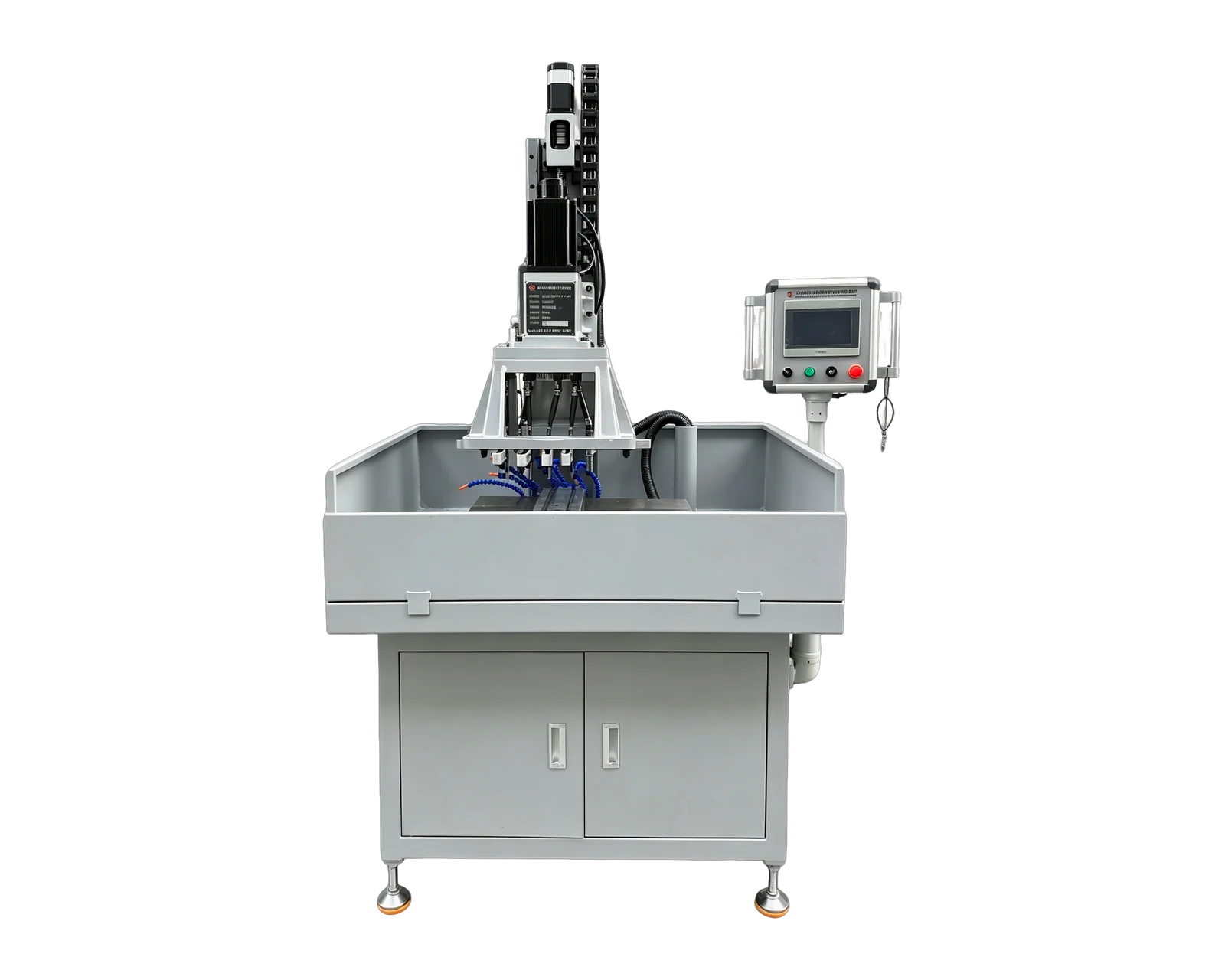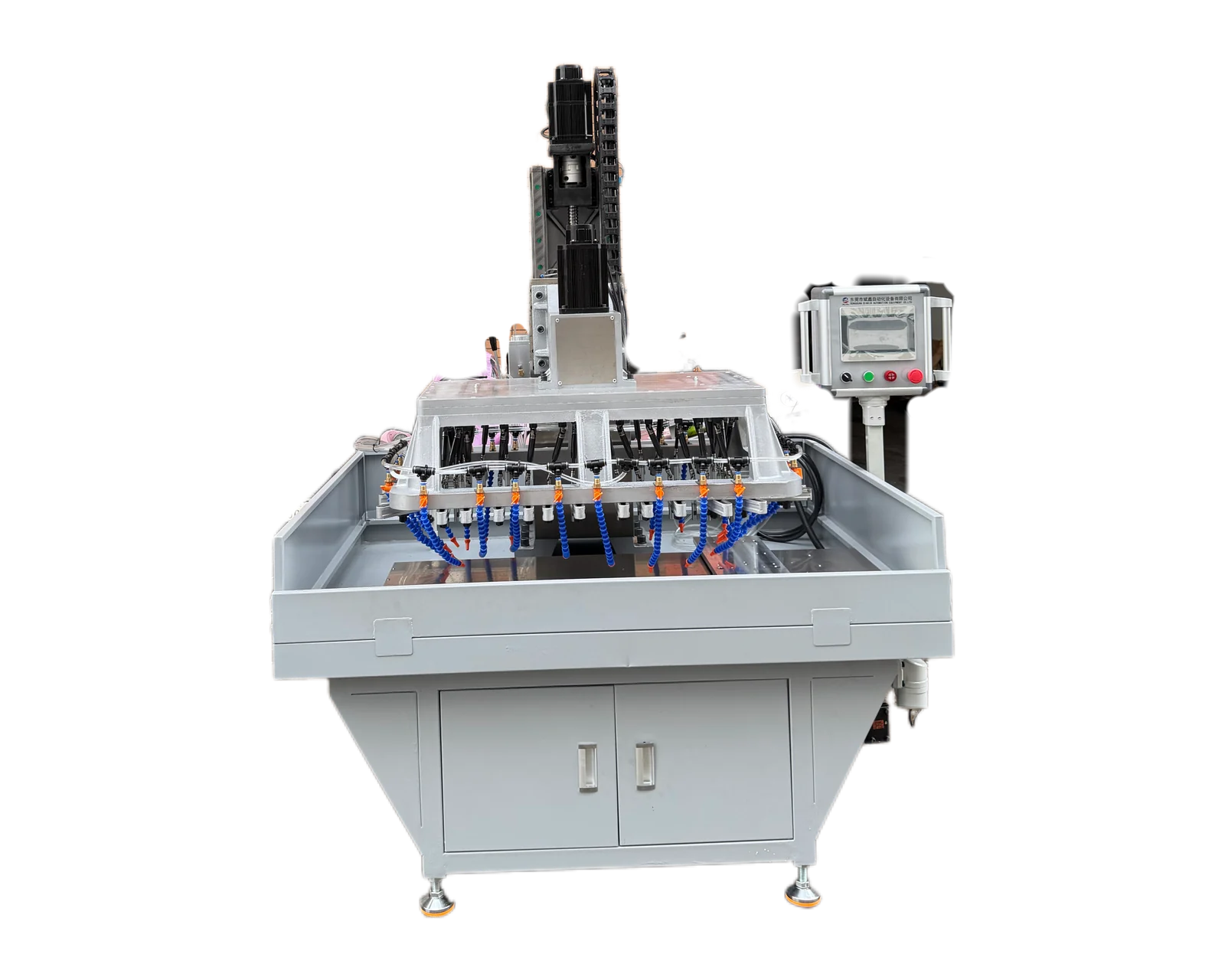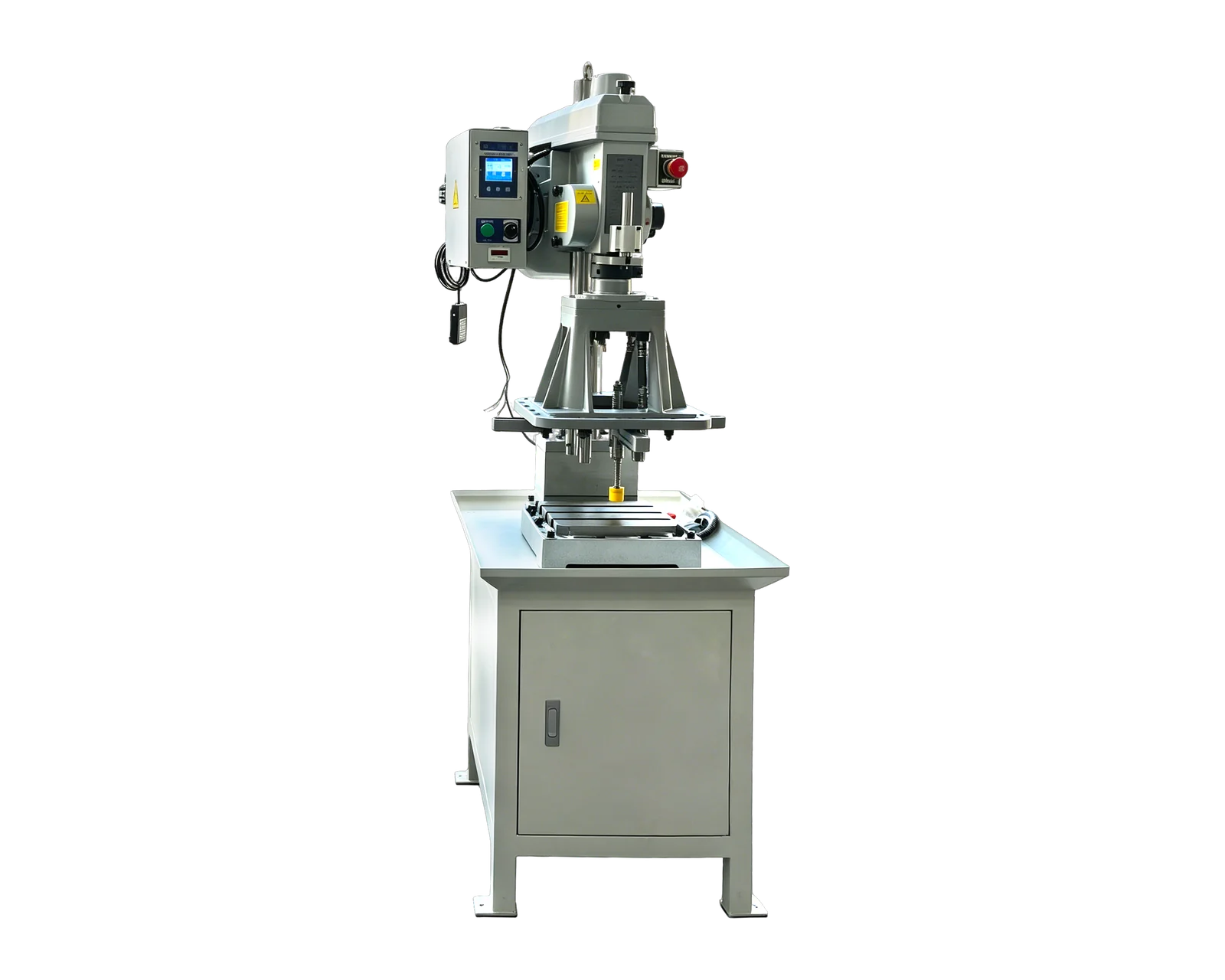
Explore equipment for your inquiry
4508 Gear-Driven Automatic Tapping Machine →Review the published specifications and configuration options against your part drawing before requesting a quote.
Define what the support discussion must cover
Start with the types of questions your production team expects to raise: interpreting supplied documents, identifying a replacement item or reporting a difference from an agreed process result. Ask the supplier how those requests should be routed and what information enables initial review. Keep the requested support arrangement in the commercial discussion rather than assuming that a sales contact implies a particular service package.
Name the buyer's coordinating contact and the people who can provide production observations. Record the working language and preferred document format where these affect communication. Clarify who can approve proposed changes and who retains the resulting records. This is a request-management plan; it does not authorize unqualified personnel to inspect internal equipment or perform corrective work.
Make each request identifiable and reviewable
Use one request number and keep related evidence together. Report what was observed before proposing a cause. The fields below help distinguish a machine-configuration question from a changed part, tooling item or incoming condition. Where evidence cannot be collected through the site's approved procedures, record that limit and ask what information can be reviewed instead.
Distinguish document review from remote machine access
Sending a record for review, holding a video call and allowing remote equipment access are different arrangements. Ask which options are available for the quoted configuration and what prerequisites or buyer approvals apply. Do not infer a remote-access feature from a controller photograph. Any access arrangement needs an explicit scope and the site's responsible personnel involved in its approval.
For a hypothetical request, a buyer sends a photograph of a displayed message and a record of the part being processed. That may support an initial discussion but may not establish the underlying cause. The useful next step is an agreed information request or referral to the responsible personnel. Avoid writing the support scope as though every issue can be diagnosed and resolved through a video call.
Maintain a decision record through the discussion
For each reply, record the question answered, any remaining uncertainty and the next action with its owner. Distinguish suggested checks from confirmed findings and preserve the context in which a recommendation was given. If the discussion changes a document, component or process requirement, identify the applicable revision. A sequence of messages without a current status can leave different teams acting on different interpretations.
Ask how an issue moves from initial review to a separately agreed service activity when required. Identify which commercial questions must be resolved before that work is scheduled. Response targets, travel, replacement items and other service terms belong in the agreed scope; they should not be inferred from a general website support description or from the speed of an earlier sales reply.
Agree how the request will be closed
Define closure in terms of the original question and the evidence needed to resolve it. A replacement-item identification request may close with a confirmed reference, while a process-result concern may need an agreed observation record. Retain any limits, remaining actions or temporary arrangements. Closing a correspondence thread is different from demonstrating that every production condition has been addressed.
When discussing a BINSING purchase, describe your expected support needs and ask for the applicable communication and service scope. Include who will coordinate technical questions at your factory and which records your team can maintain. This makes the request practical to review before order and gives the receiving production team a documented starting point after handover.