Explore equipment for your inquiry
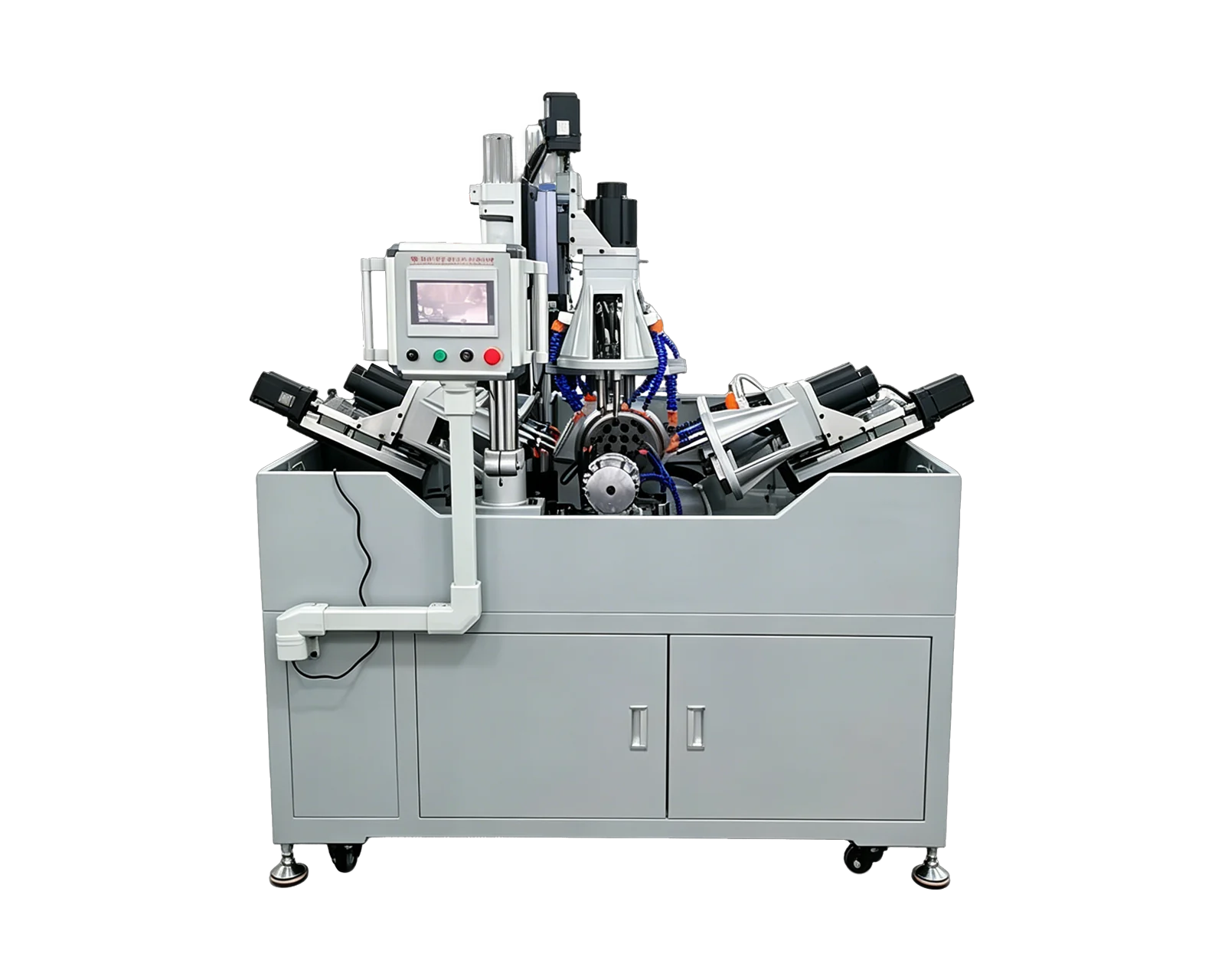
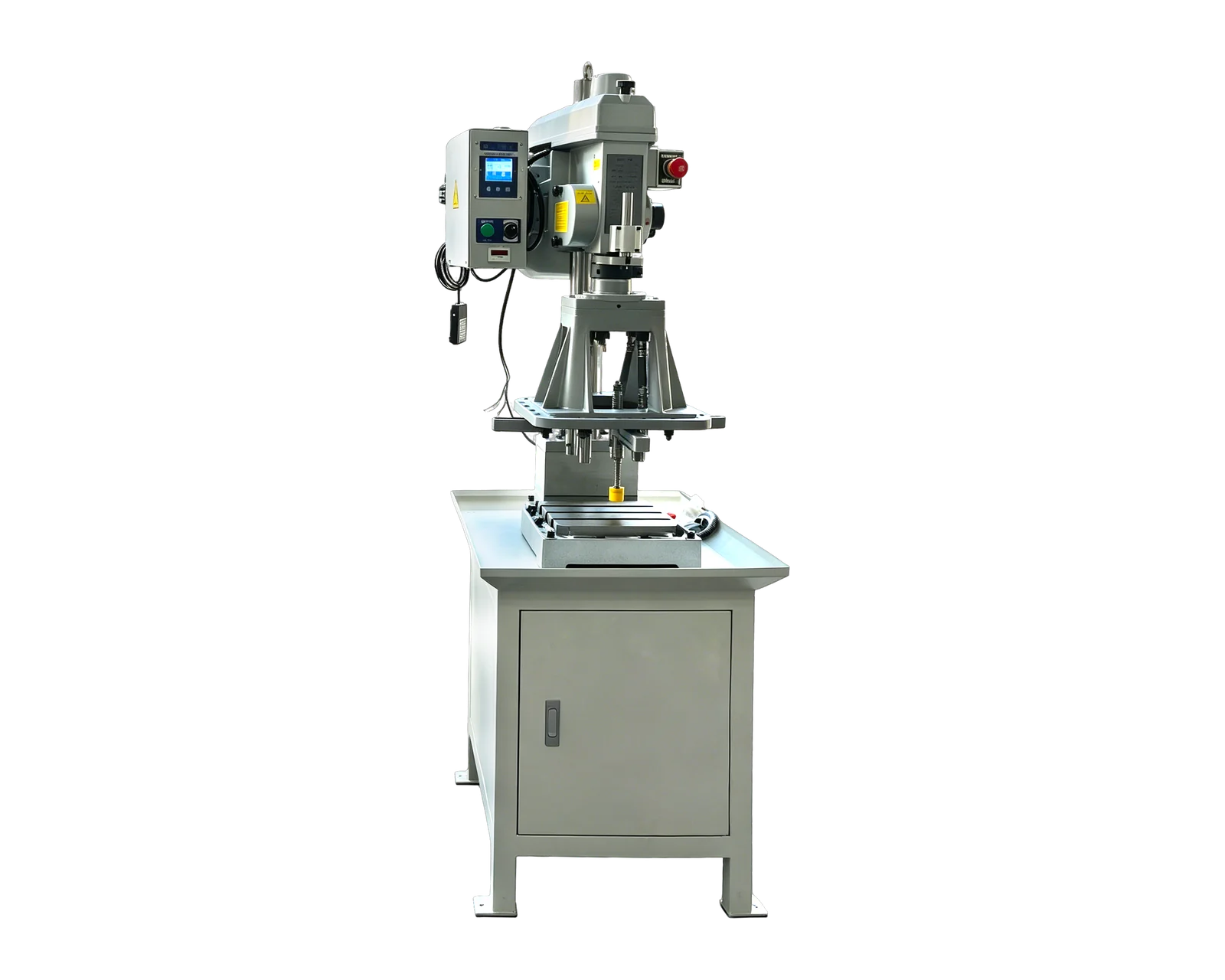
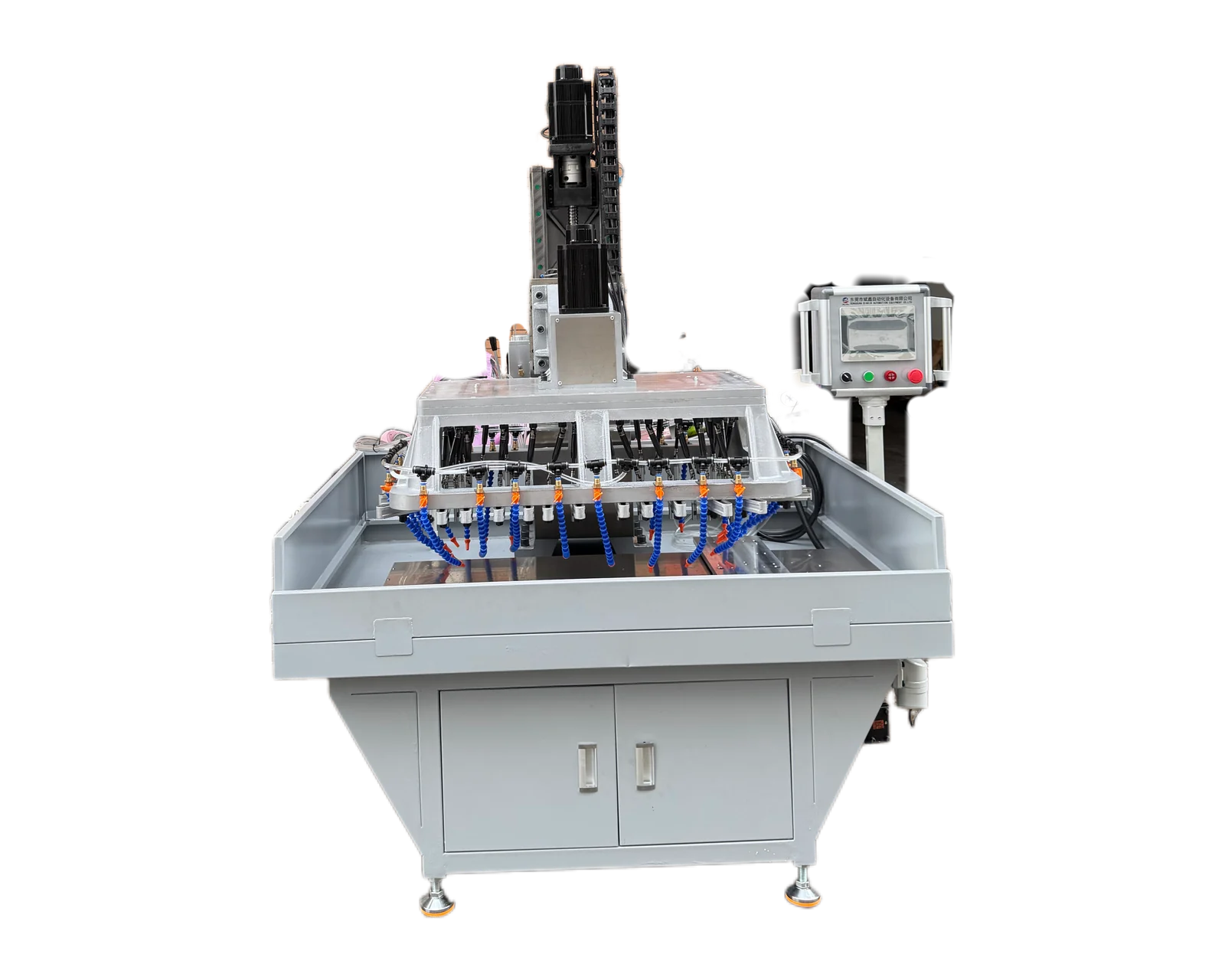
Dual-Servo Multi-Spindle Drilling & Tapping Machine →Review the published specifications and configuration options against your part drawing before requesting a quote.
Describe the decision behind the word detection
A request saying part sensor included leaves the actual purchasing requirement unclear. Start by describing the decision needed at the loading position. Does the buyer need confirmation that something occupies the fixture, that the workpiece is seated as intended, or that a particular face points toward the machining operation? Write these as separate conditions because evidence for one does not establish the others.
Provide the drawing and photographs of the incoming component in the relevant orientations. Mark which visible or geometric features distinguish the intended condition from a mistaken one. Include the condition before machining: a hole that will be produced later cannot identify orientation at initial loading. If two variants cannot be distinguished from the available features, ask the supplier to identify that limitation explicitly.
Build a short loading-scenario register
Use scenarios to connect the production concern with the proposed review. The following entries are planning prompts, not a declaration that any BINSING model includes these functions. Select the relevant conditions and request a configuration-specific response. Keep each decision independent so a broad label such as error prevention does not hide exclusions.
Choose examples that answer the difficult question
For a hypothetical component with similar ends, presenting only a correctly loaded sample demonstrates little about orientation confirmation. Supply photographs of the mistaken orientation and agree how representative samples will be evaluated by the responsible technical team. The review should establish what the proposed arrangement distinguishes, rather than merely show an indicator changing during a successful cycle.
Include normal incoming variation relevant to the assessment, such as the actual surface condition or differences among approved variants. Identify deliberately incorrect samples separately and agree their handling with the supplier. Purchasing should define the observation objective; the equipment team must determine the appropriate demonstration arrangement. Do not improvise a production-machine challenge or alter protective functions to obtain evidence.
Separate confirmation equipment from the response requirement
Ask the proposal to distinguish the detection function, the information shown to the operator and the agreed machine response to an unconfirmed condition. These belong in a functional review, not an instruction from purchasing on how controls must be programmed. Identify who provides any buyer-owned device or external information and who reviews its interface with the quoted equipment.
Also distinguish workpiece confirmation from personnel protection, dimensional inspection and part traceability. A signal showing that a part occupies a location does not establish finished thread quality or identify its production history. Record these boundaries in the quotation so an inexpensive presence check is not interpreted as an all-purpose inspection system. Changes to the part or fixture may require renewed assessment.
Retain evidence against each agreed scenario
Before order release, attach the selected scenario list to the configuration record and name the person who accepts the review evidence. Ask what will be demonstrated during the agreed trial, what documents will describe the included function and which scenarios remain outside scope. Retain observations for the actual part revision and arrangement instead of using a generic demonstration as final approval.
For a BINSING inquiry, email the drawing, loading photographs and a concise list of errors your production team wants the proposal to address. Include the reasons similar components can be confused. A useful response identifies supported conditions, open technical questions and the proposed evidence. That information lets purchasing decide whether the quoted scope addresses the production concern.