Explore equipment for your inquiry
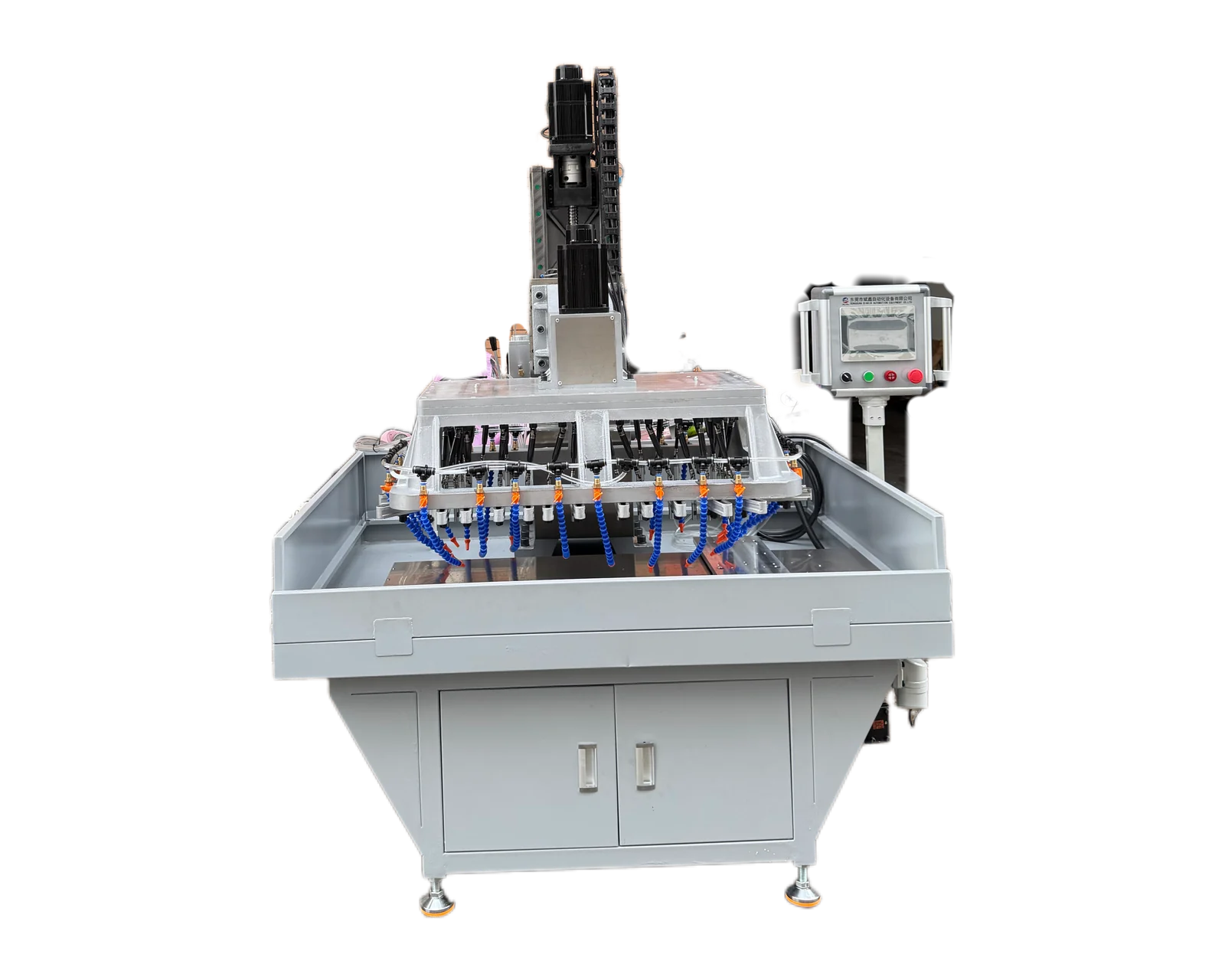
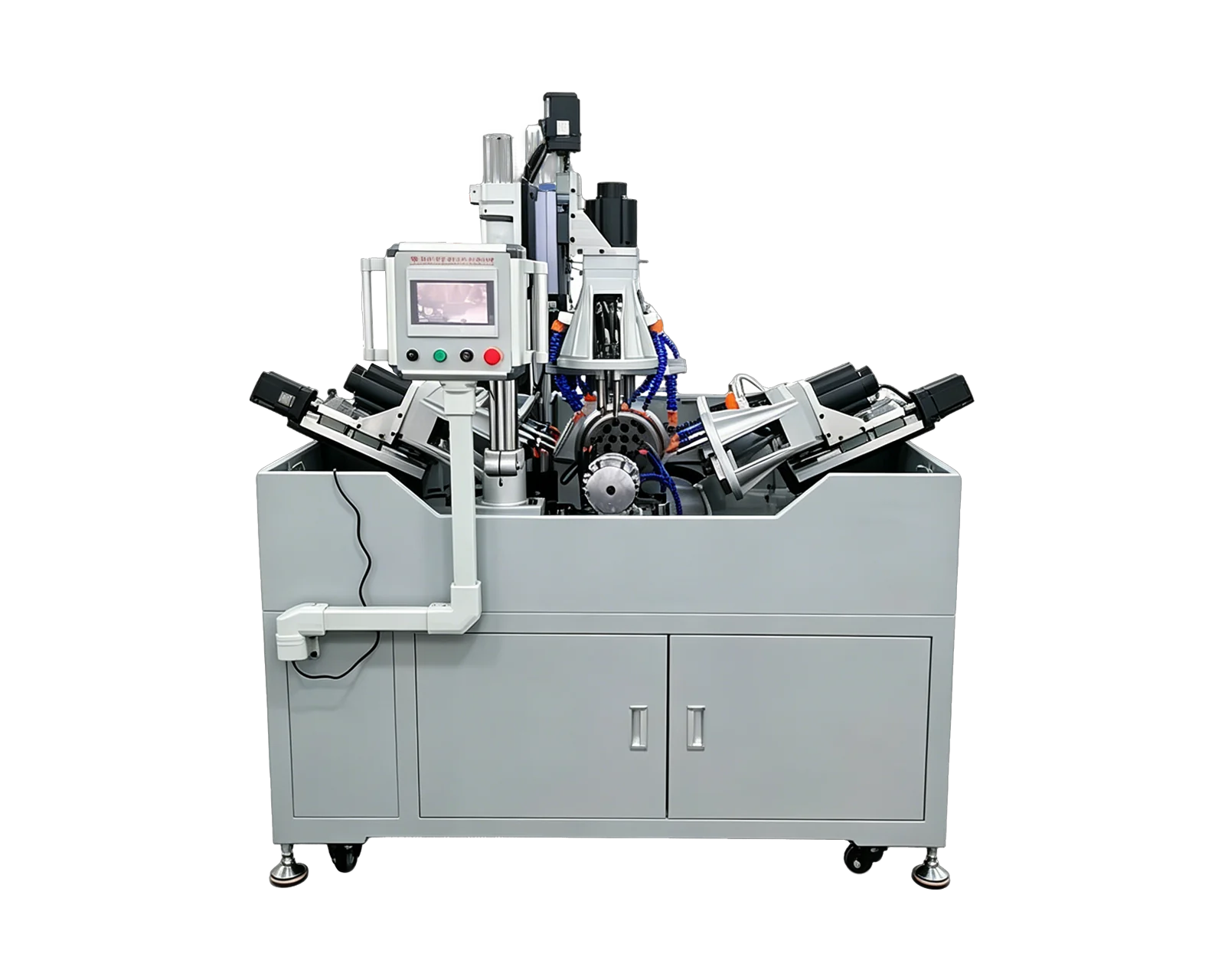
Multi-Side Drilling & Tapping →Review the layout options and required part information to define the scope of a custom equipment inquiry.
1. Give each hand an unambiguous part identity
Send the approved drawings for both components with separate part numbers and revisions. Add photographs or orientation sketches identifying the physical distinction between the hands. Do not rely on left and right labels without stating the viewing direction used by the drawing. The supplier should be able to connect a loose incoming component to the correct drawing before discussing shared equipment.
List differences explicitly, including features that are not mirrored. Two parts may share an external outline yet use a different thread, hole depth or unfinished feature. Mark what arrives complete and what the machine must produce for each hand. This avoids turning a shorthand phrase such as mirror version into an unsupported assumption that every process requirement is identical.
2. Ask for a part-to-configuration mapping
Request a coverage record connecting each hand to its locating concept, fixture items and operation information. If a shared fixture is proposed, ask which physical features distinguish orientation and what part conditions were reviewed. If separate fixtures are proposed, identify them separately in the offer. The objective is a visible relationship between the incoming part and its approved configuration.
3. Review mix-up prevention as a quoted function
Hypothetical purchasing example: two mirrored brackets arrive in similar containers, and both fit within the general loading area. The buyer expects the machine to recognize the hand automatically, while the quotation assumes identified batches and operator selection. Those are different scopes. Resolve how identification is performed, who is responsible and what evidence will show that the agreed approach works.
Do not assume automatic recognition or an interlock exists unless it is expressly included and reviewed. Ask the supplier to describe the offered arrangement and its limits, including how uncertain identity is handled under the documented process. Keep the discussion at the requirement level; the equipment designer must determine any sensing, fixture features or control functions needed for the proposed solution.
4. Keep setup information and inspection tied to the hand
Require identifiable setup records and, where applicable, program identifiers for both parts. Ask how the documentation connects those records to the relevant fixture configuration and drawing revision. A shared machine still needs a clear record of which part an approved setup produces. Include the ownership of revisions and the procedure for reviewing a changed drawing in the project handover scope.
Apply the same separation to inspection. A report for the left-hand part should not silently stand in for the right-hand part when access, feature relationships or incoming conditions differ. Ask quality staff to define the required checks for each hand and how finished containers are identified. Where components are delivered as pairs, include how the buyer verifies pair completeness outside or within the quoted scope.
5. Demonstrate the purchased mix and retain both records
Agree a trial that addresses both hands and the intended batch arrangement. If production is planned in separate batches, document that condition; if the request assumes a mixed stream, make it explicit for application review. Record the part identities, fixture items and operation information used. Retain separate finished-feature results and identify any proposed coverage that has not yet been demonstrated.
For BINSING, send both drawings with a short difference list and the planned left-to-right demand mix. Ask for a proposal that names common equipment, hand-specific items and identification responsibilities. This focuses the shared-machine decision on the actual pair rather than appearance alone, while making tooling, documentation and inspection scope available for a meaningful price comparison.