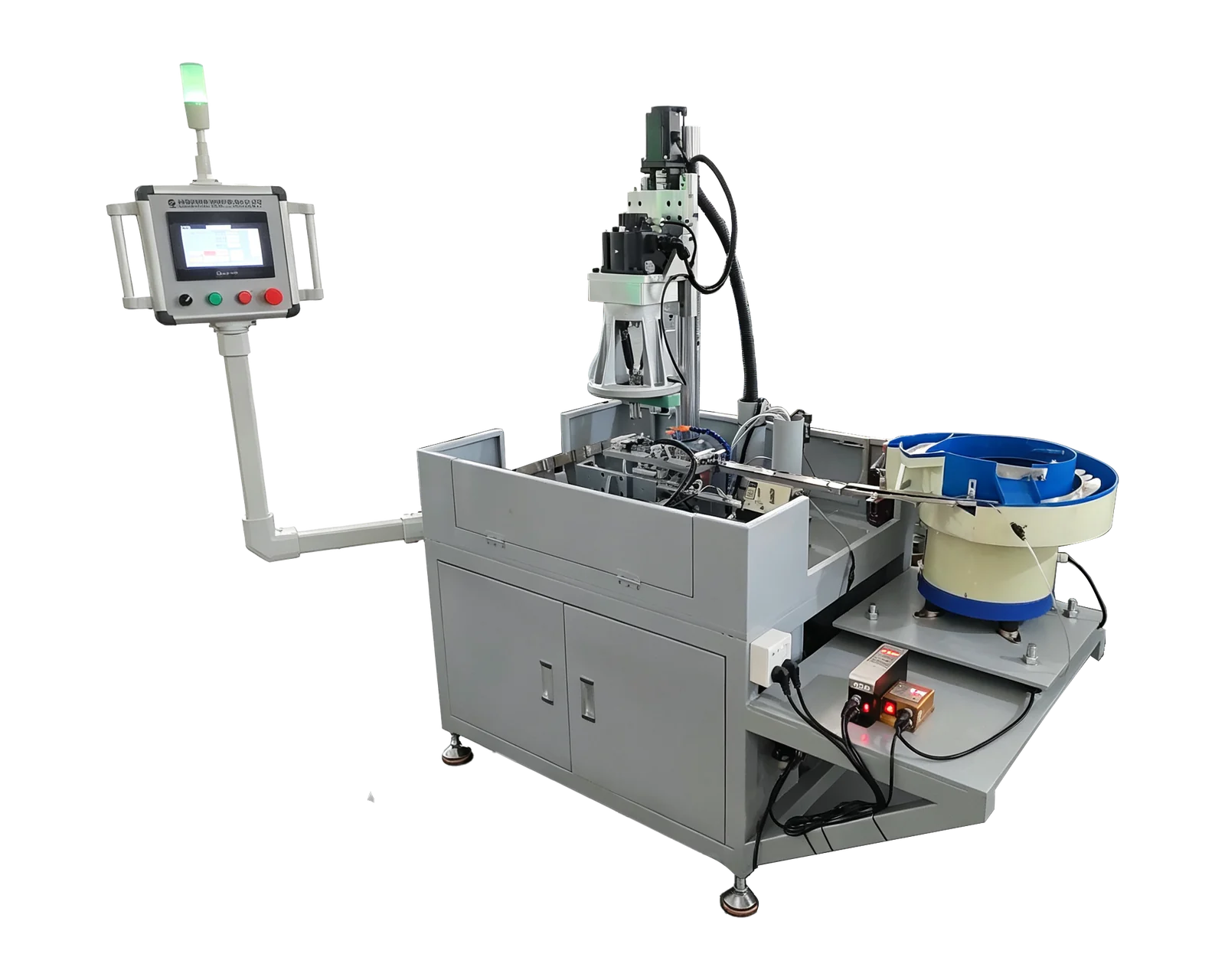
Explore equipment for your inquiry
Servo Traverse Multi-Spindle Drilling & Tapping Machine →Review the published specifications and configuration options against your part drawing before requesting a quote.
1. Define what each count means
State how many separate components the proposed fixture holds and whether each position contains the same part. Give each fixture position a nest identifier and each component its own part reference. Then ask which tools work on which features at each stage. Several spindles may address several holes in one component, while a fixture with several components may process them through more than one operation.
Keep these counts in separate fields in the quotation review: available nests, required occupied nests, parts entering a cycle and fully completed parts leaving it. If the equipment uses several stations, show what is happening at each station. This prevents a drawing containing many workpieces from being interpreted automatically as the same number of finished components produced at every machine movement.
2. Compare the same finished-part requirement
Ask for the complete route on both a single-part and a multiple-part arrangement where both are being considered. Include the same holes, threads, inspection boundary and incoming presentation. The comparison should expose work that shifts into loading or checking rather than counting only the machining portion. Ask the supplier to state which assumptions require demonstration.
3. Ask what happens when the full set is unavailable
Production may present an incomplete last set at the end of a batch or an incoming component that is unsuitable for loading. Explain whether these situations are common in your operation. Ask the supplier to define the permitted occupancy conditions for the proposed equipment and the agreed production response. Do not assume that empty positions or mixed components are acceptable merely because a fixture has several nests.
Where the purchase requires more than one part variant, identify whether different variants may share a set or must run separately. Request a configuration and identification concept consistent with that requirement. The equipment designer should define any necessary checks and controls within the agreed scope. Purchasing should record the supported conditions rather than invent a workaround for a missing or different component.
4. Count released components across a representative period
Hypothetical purchasing example: a proposed fixture has four nests, but the demonstration records only the machining interval after all four parts have already been loaded. Another proposal records loading, machining and removal for a single component. Multiplying the first figure by nest count does not create a fair output comparison. Align the time boundary and count the components actually completed to the same requirement.
Include the agreed loading method, checking work and normal batch conditions in the production assessment. Record partly completed sets and any parts awaiting inspection separately from accepted output. If a result must be investigated, nest identity can help organize the evidence; agree the required recording method with the quality team. This does not imply that automatic traceability or inspection is supplied unless it appears in the offer.
5. Verify the purchased nests and configurations
Agree how the demonstration covers the fixture positions and the conditions included in the purchase. Identify which component came from which nest and configuration when results are recorded. A sample from one position does not automatically document every position in the fixture. If an alternative setup uses fewer components or a different variant, specify whether that setup is included and what evidence is expected.
Send BINSING the part drawing, batch sizes, intended loading method and the output period you need to evaluate. Ask for a proposal that separates fixture capacity from demonstrated completed-part output. Include the fixture, tooling and any supplied checking functions in the scope review. The result is a purchasing comparison based on usable production rather than the visual impression of a crowded worktable.