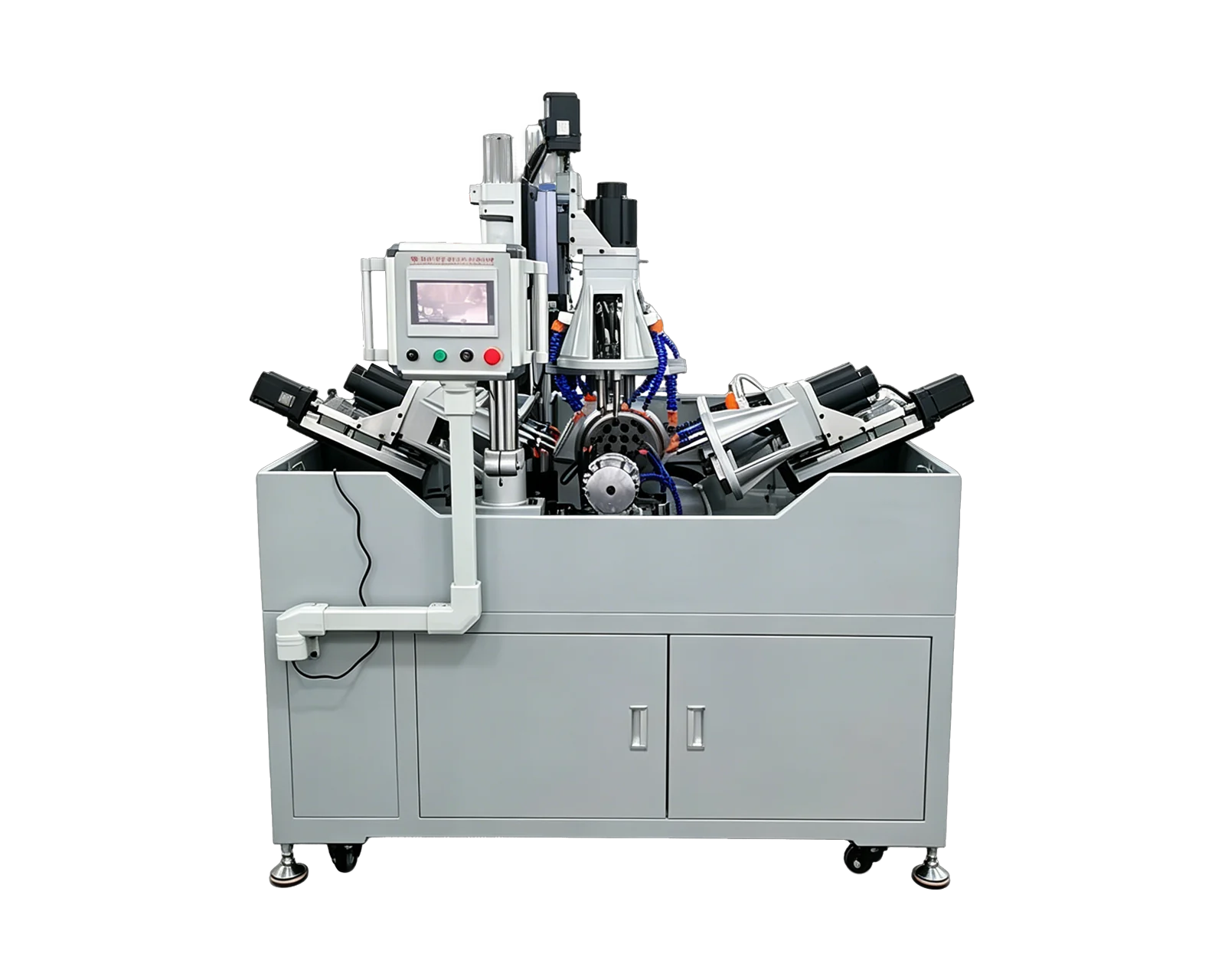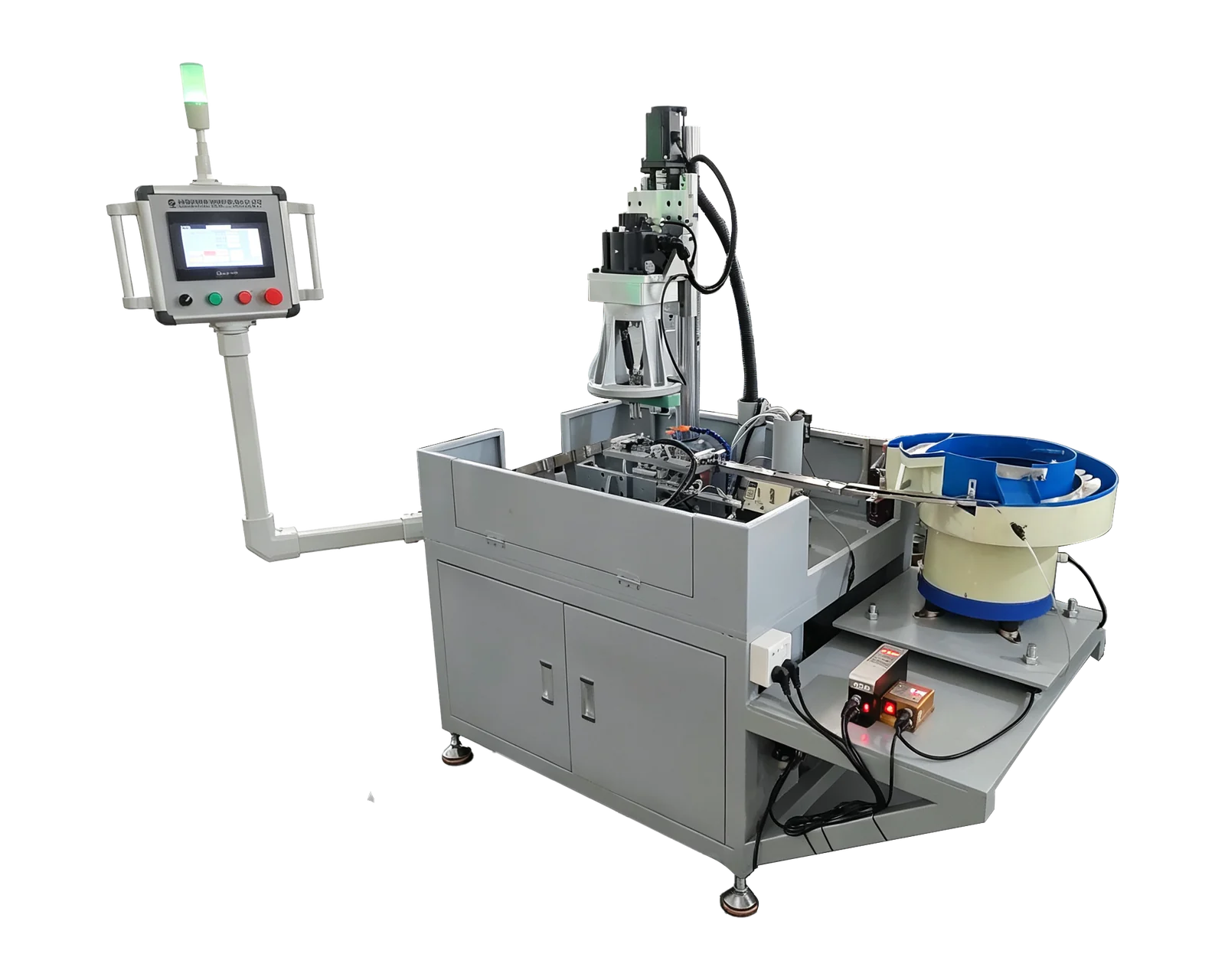
Explore equipment for your inquiry
Automatic Feeding & Tapping →Review the layout options and required part information to define the scope of a custom equipment inquiry.
1. Describe the delivered part presentation
State whether the supplier should assess loose components, trays, strips, carriers or another defined presentation. Provide container dimensions and representative photographs alongside the part drawing. Include orientation expectations and any packaging that must be removed before the equipment boundary. An inquiry saying small parts arrive in boxes leaves open who separates them, establishes their orientation and transfers them into the machining arrangement.
List the variants that may be present at the same time. If parts arrive by lot, explain how the lot is identified and whether it must remain separate throughout machining. Distinguish an approved incoming condition from an occasional delivery problem. The offer should be based on a defined input, with exceptional conditions assigned to a person or process instead of silently becoming an automation requirement.
2. Decide where part identity must be maintained
A small component may be difficult to distinguish from another variant by a casual visual check. Identify the features or records used by your existing quality process to establish identity, then ask how the proposed cell interfaces with that process. If identification equipment is requested, state its purpose and expected evidence separately. Do not assume that an automatic loading system also recognizes part type, lot or completed machining status.
3. Specify the finished collection arrangement
Describe the container or carrier that receives completed components, including any separation by variant, lot or status. State whether the collection scope ends at discharge into a container or includes a further transfer. A count of machining cycles, a count at a discharge point and an accepted finished quantity are different records and should not be treated as interchangeable.
Identify how the buyer wants uncertain or interrupted pieces handled in the production documentation. Ask the supplier to explain the proposed physical locations and information available at the interface. This is a scope discussion, not an instruction to improvise recovery actions. The approved operating procedure and responsible production team should determine the disposition rules before the equipment is released for regular use.
4. Compare the complete flow for similar variants
Hypothetical purchasing example: two small inserts share the same outside outline but require different threads. The buyer receives them in separate labeled trays and needs completed lots kept apart. A proposal for machining one insert with manual loading may meet the current requirement; a bulk-feed proposal needs an equally clear account of input control and finished collection. Neither proposal should receive credit for identity functions that are absent from its equipment list.
For a planned changeover, identify what happens to parts remaining at each stage of the flow. Ask the supplier to document the relevant locations and the records or visual indications included in its scope. The purchasing issue is whether the proposed arrangement supports the buyer's defined identity and collection process across the entire part route.
5. Demonstrate the agreed boundaries
Prepare a review using the agreed incoming presentation and finished containers. Record which variants and lot conditions are represented. Ask the demonstration report to identify included handling functions, manual responsibilities and any proposed functions that remain unverified. Where counting or identification is included, agree the evidence with the responsible quality team rather than accepting a general statement that the cell is fully automatic.
For a BINSING inquiry, send the component drawing, presentation photographs, variant list and desired collection arrangement. Explain what information must accompany the parts and where the equipment supplier's responsibility ends. These details help compare a standard tapping platform with a reviewed handling arrangement or a custom cell on the same practical basis: the defined incoming parts and the required output at the agreed boundary.