Explore equipment for your inquiry
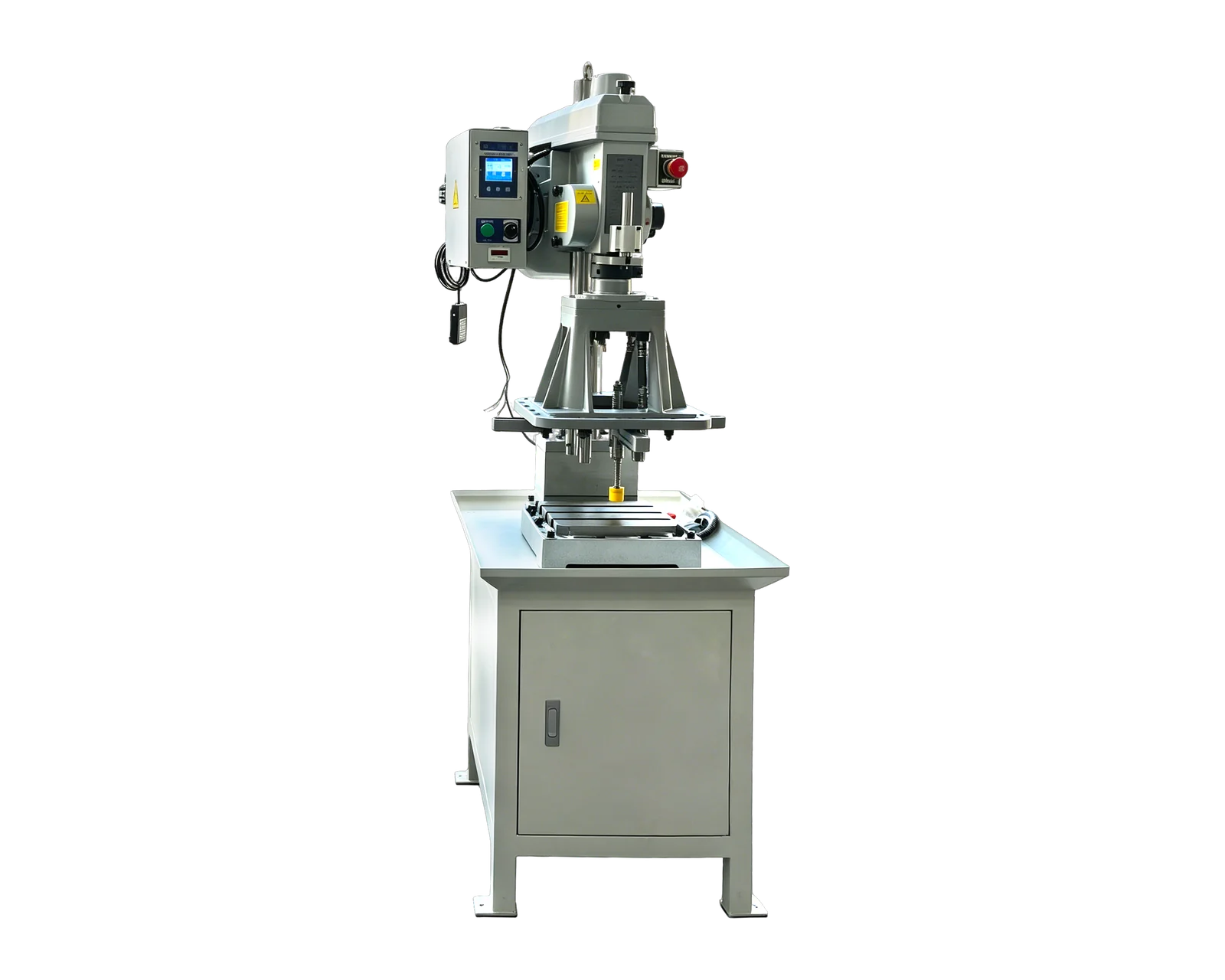
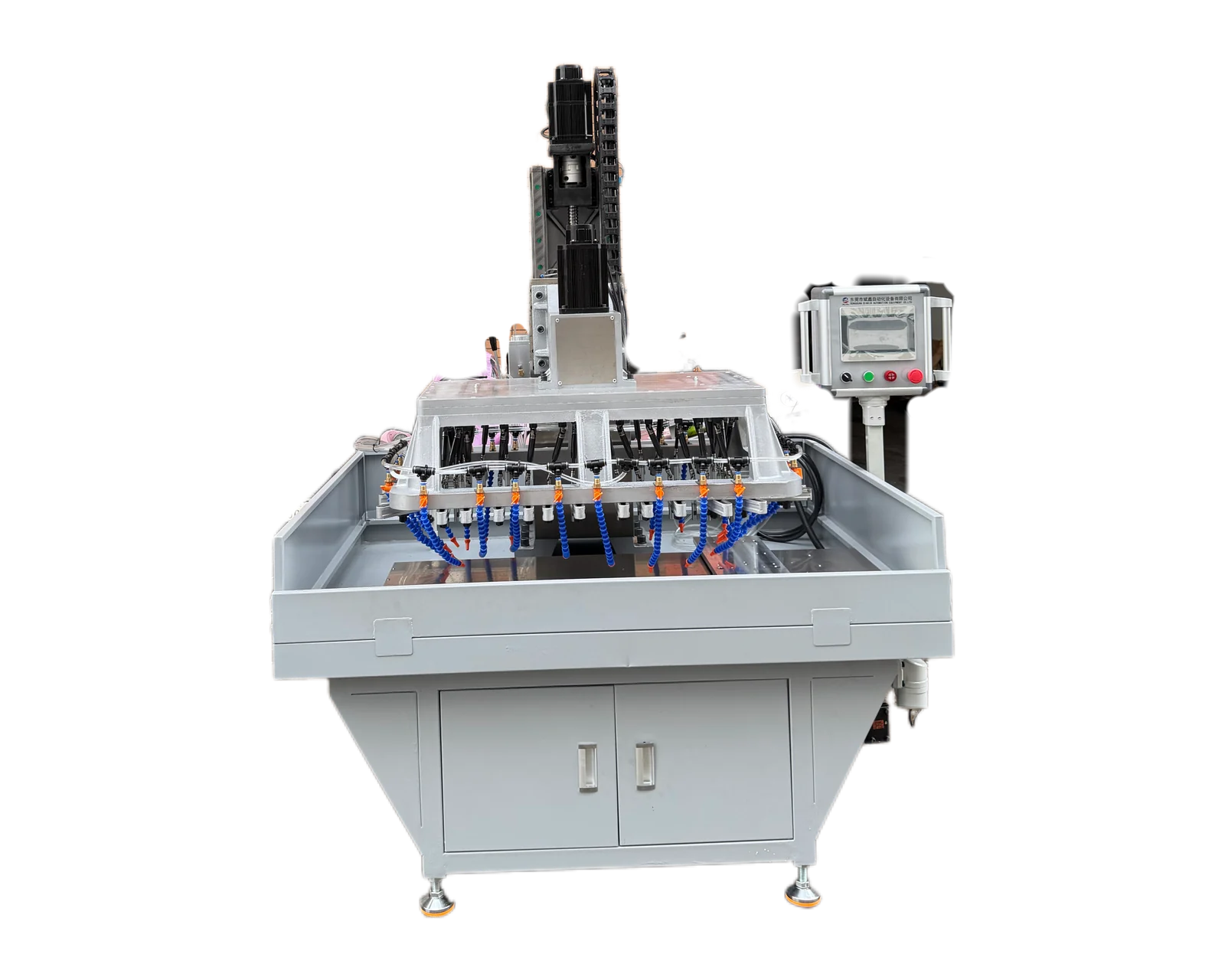
Dual-Servo Multi-Spindle Drilling & Tapping Machine →Review the published specifications and configuration options against your part drawing before requesting a quote.
1. Quote the part in its actual formed state
Provide the finished component drawing and the drawing or specification governing its condition when it reaches machining. Identify which bends, embossments, flanges and openings already exist. A flat development can help explain the part, but it should not replace the geometry used to assess access and location after forming. Mark the incoming stage explicitly so suppliers do not quote drilling a flat blank when production will deliver a formed bracket.
Describe the material designation and any incoming surface condition relevant to the requested operation. Where the stamping supplier delivers several approved revisions or forming conditions, list them separately. Record measured sample observations as observations; do not silently turn the dimensions of one sample into the permitted range for every production lot. This distinction helps identify whether the machine proposal covers an agreed supply specification or only the pieces reviewed.
2. Map existing features to the additional operations
Give each requested finished feature an identifier and connect it to the incoming state. State whether an opening is already present, whether it is intentionally unfinished, and which controlled document defines the additional work. For tapping, include the thread requirement and the approved incoming hole specification where available. Ask the supplier to flag missing information rather than assume that a punched opening is ready for the proposed operation.
3. Distinguish design datums from convenient edges
Ask the product owner to identify the references that govern the finished hole positions. A nearby flange or trimmed edge may be convenient to contact, but that alone does not make it the correct reference for the drawing. Provide any restrictions on contact with visible surfaces and identify regions reserved for other functions. The fixture discussion should connect these requirements to a proposed locating arrangement without substituting a new datum system for the approved drawing.
Include the accepted variation in the incoming formed geometry where it affects the proposed reference surfaces or access. If that information is unavailable, identify who will establish it and which production samples will support the review. Avoid requiring the equipment supplier to infer stamping-process consistency from a single presentation sample. The procurement decision needs an agreed input condition as well as a proposed machining output.
4. Compare proposals using the same forming sequence
Hypothetical purchasing example: a bracket has an existing opening in a raised flange and needs a finished threaded feature. One inquiry package shows only the flat blank; another includes the formed drawing, the incoming opening requirement and the reference surface governing the thread location. The second package allows suppliers to identify the actual access and locating questions. It does not establish that any particular machine or tooling will be suitable without review.
If machining before and after a forming operation are both being considered, treat them as separate proposed process routes. Ask the buyer's engineering team to define the finished requirement and evaluate the consequences of each route with the relevant suppliers. Do not compare quotations as equivalent while one assumes a different manufacturing stage or leaves subsequent feature verification to another party without saying so.
5. Build a review package around production inputs
Select representative incoming parts and identify their drawing revision, forming stage and source lot. Include available inspection records for the references used in the concept. Ask the supplier's response to distinguish confirmed input information, proposed equipment scope and questions still requiring a sample review. If several stamping sources are covered, state whether their parts share the same approved incoming specification.
For a BINSING inquiry, email the incoming and finished drawings, feature list and expected production mix. Request an explicit statement of included drilling or tapping, workholding assumptions and inspection responsibilities. Keep any upstream forming changes or downstream finishing work visible as separate responsibilities so the quotation describes the manufacturing stage you actually intend to purchase.