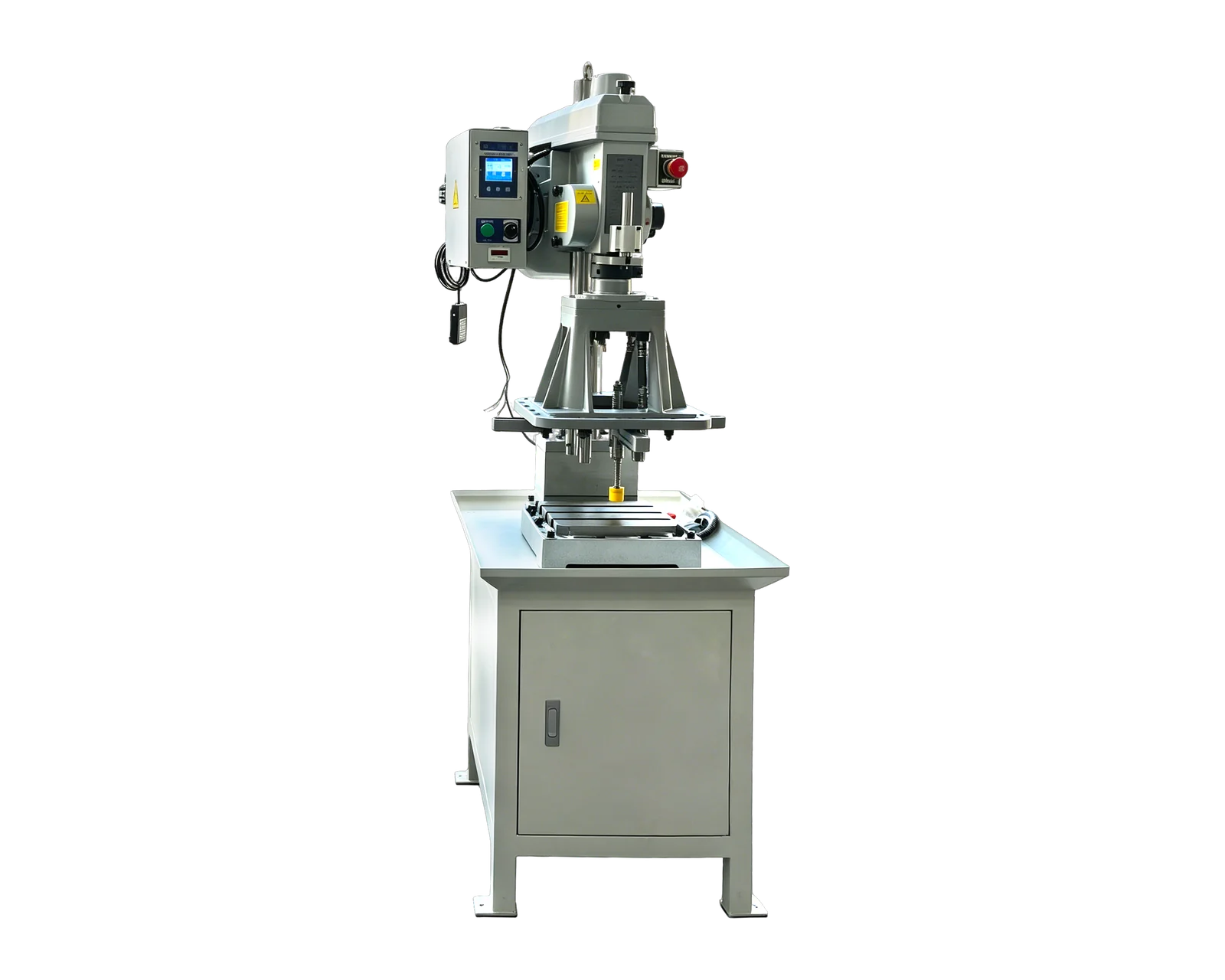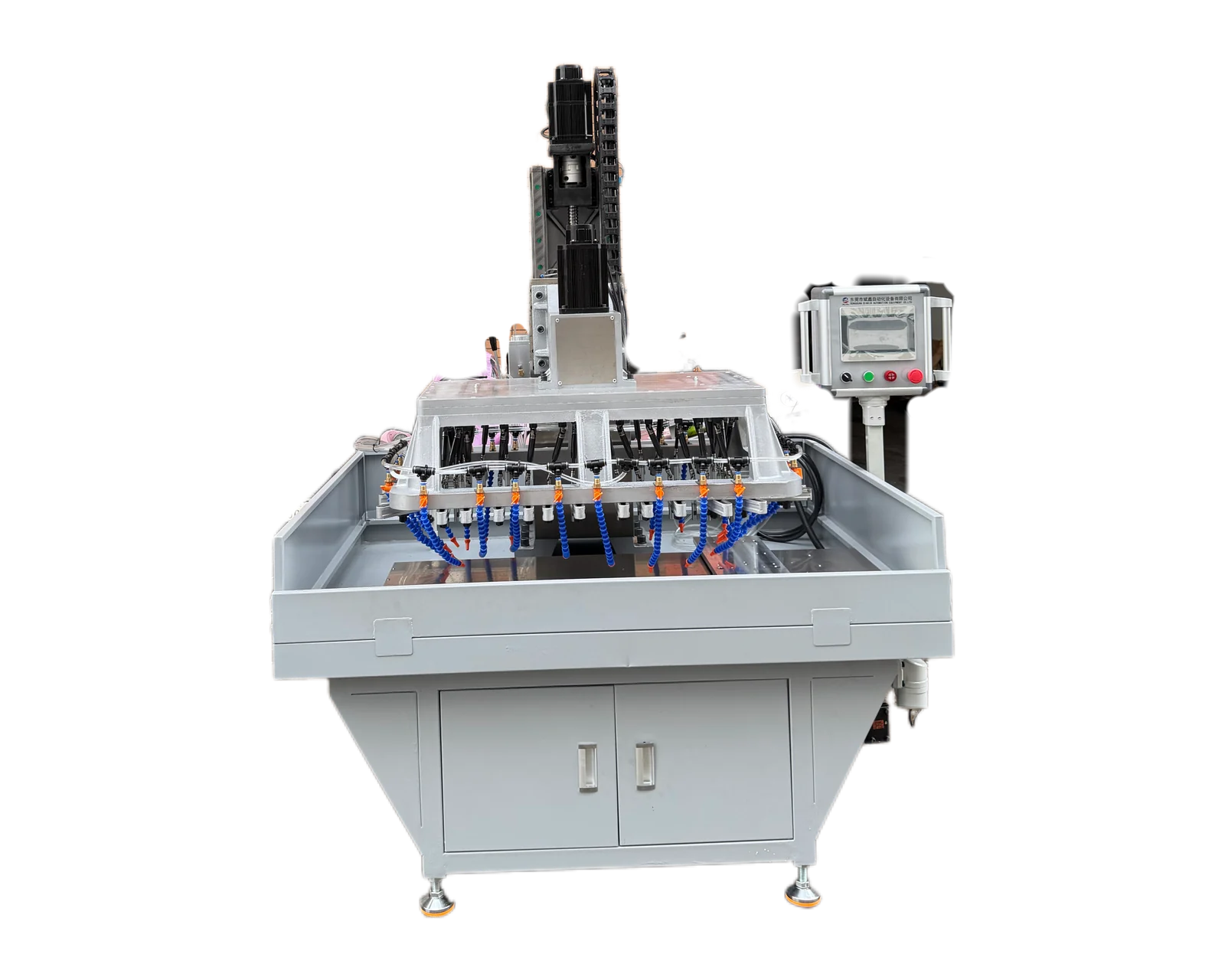
Explore equipment for your inquiry
Servo Traverse Multi-Spindle Drilling & Tapping Machine →Review the published specifications and configuration options against your part drawing before requesting a quote.
1. Define what counts as an accepted component
Begin with the component drawings and the relevant assembly requirement. Identify whether each piece must meet its requirements independently or whether an approved specification defines a matched relationship between identified pieces. Do not let an informal reference to a pair replace a controlled acceptance definition. Purchasing needs to know what product unit is being quoted and what evidence will show that the requested work is complete.
Name the features being drilled or tapped and distinguish them from features made by another process. If a pin-related hole, fixing hole or thread has a specific drawing requirement, preserve that full definition in the inquiry. The equipment reviewer should not be expected to infer a fit or an assembly relationship from a photograph of a hinge. Include the actual incoming condition for each member of the assembly.
2. Map component requirements to assembly evidence
Prepare a short record that ties each feature to the component and reference system it belongs to. Keep left and right identification as one field, but also describe the required relationship between the components. This adds the assembly acceptance question that a simple list of mirrored variants or formed-part drawings does not answer.
3. Compare fixture concepts without changing the requirement
Ask suppliers to explain how their proposed setup relates to the approved component references. If the concept places several pieces in one fixture, request an explicit statement of the parts represented and how their identities are maintained. If parts are machined separately, ask the same questions about references and acceptance evidence. Loading parts together does not, on its own, establish a required relationship between their finished features.
Supply the complete part geometry and any restrictions on contact with finished or visible surfaces. Identify which incoming features already control assembly and which features the proposed station will create. Where several component revisions exist, show the differences that affect location, access or the feature definition. Keep a fixture proposal separate from approval to change the product drawing or assembly requirement.
4. Distinguish matched sets from interchangeable stock
Hypothetical purchasing example: one inquiry describes two bracket members as a pair, but production stores the members separately and combines them later. A supplier interprets pair as an identified set kept together through machining. The two interpretations lead to different handling and inspection assumptions even if both quotations list the same hole count. Clarifying the intended supply and assembly practice resolves the mismatch before equipment selection.
In this scenario, the buyer should state the approved interchangeability or pairing requirement and ask for the equipment scope to follow it. If the requirement is still undecided, treat the alternatives as separate proposals. Do not use a favorable assembly result from one selected pair as evidence that every permitted combination satisfies the requirement. The agreed evaluation must correspond to the production arrangement being purchased.
5. Carry the assembly unit into the quotation
State output in unambiguous units, such as individual components or complete sets per defined working period. Identify the expected mix, batch sizes and any responsibility for keeping paired items together. Ask whether the quote includes loading, collection, identification and the agreed checks, or only the machining operation. This prevents a production target for complete assemblies from being compared with a machine figure describing individual pieces.
Email BINSING the component drawings, relevant assembly references and a short explanation of how the parts move into later assembly. Request a proposal that identifies covered versions, fixture assumptions and inspection ownership. Arrange representative sample review against the same grouping and acceptance definition. These scenarios do not establish equipment suitability.