Explore equipment for your inquiry
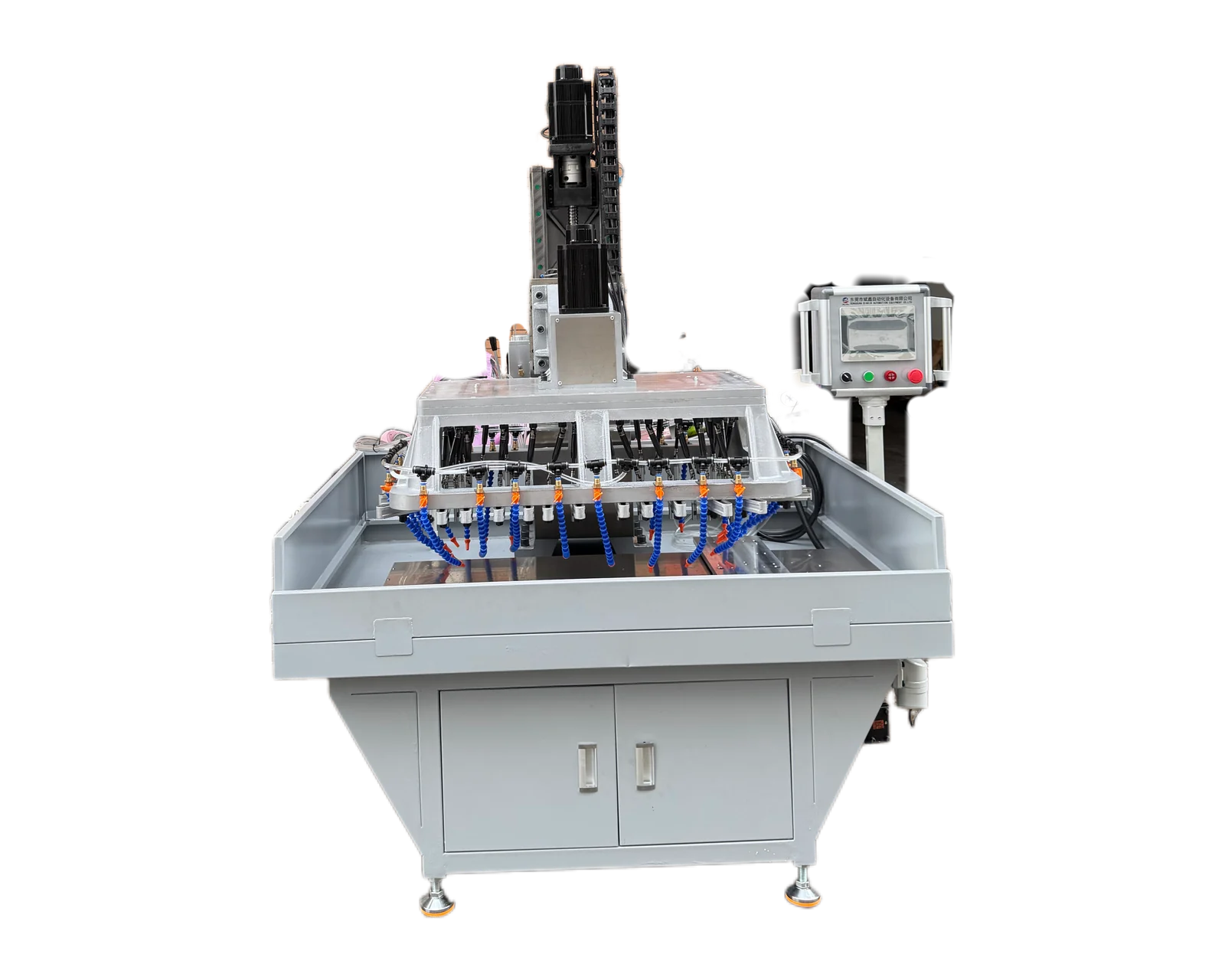
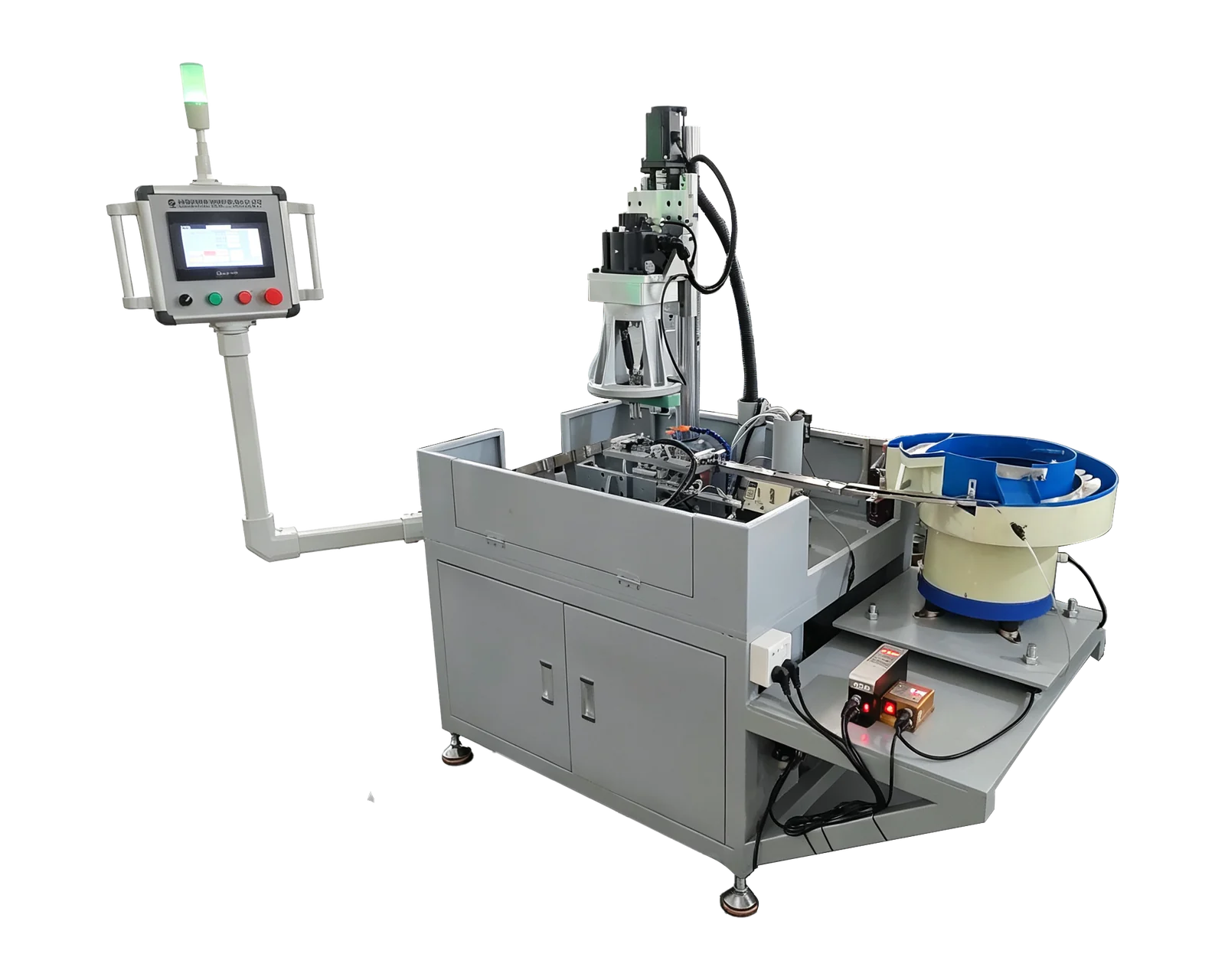
Dual-Servo Multi-Spindle Drilling & Tapping Machine →Review the published specifications and configuration options against your part drawing before requesting a quote.
1. Describe the component before it is clamped
Send the finished drawing together with a description of the part entering the machine. Include material, wall sections, open edges and any upstream machining. Mark permitted locating, support and clamping areas as well as protected surfaces and prohibited contacts. Give each area an identity so the fixture proposal can refer to the same map. A finished drawing alone may omit the temporary shape or surface condition that determines whether the proposed fixture can receive the part.
Provide representative samples where feasible and explain their source. If incoming parts vary in straightness, profile or wall condition, describe that variation rather than supplying only a visually ideal sample. Ask engineering and quality staff which differences matter to the finished requirement. The purchasing record should distinguish known incoming limits from conditions that still need measurement.
2. Request a support concept with named assumptions
Ask the supplier to show where the part is located, supported and contacted, and how the tools reach the required features. This is a concept review, not an instruction to select clamp force or modify a fixture. The supplier should identify which assumptions need sample evaluation before the design and quotation can be finalized.
3. Specify the state in which the result is accepted
Clarify whether drawing requirements apply to a free component, an assembled component or a defined inspection fixture. Ask your quality team to document the intended method. A measurement made while a part remains held in the machining fixture may not represent the condition in which the buyer receives or uses it. Both parties need the same acceptance basis before interpreting trial results. Keep the sample identity with the checks made after release or in the required inspection state; record any additional holding used during inspection.
Hypothetical purchasing scenario: a thin housing receives a series of tapped holes. The trial record shows thread checks, but the purchase drawing also requires a profile check after removal. The missing profile evidence becomes a review item before order approval. This example does not claim that tapping necessarily distorts the housing; it shows why passing one feature check cannot stand in for the complete drawing.
4. Compare standard and custom proposals on fixture scope
A standard drilling and tapping platform can be considered when its offered tooling, access and workholding suit the reviewed part. A custom multi-side arrangement may be relevant when features require different approaches. Neither label answers the support question. Require both alternatives to name the included fixture, covered variants and unresolved engineering work so the price comparison has a common basis.
Review loading and removal access as part of the concept. Include how the incoming part is presented, how its orientation is identified and where completed parts are placed. Ask who supplies any part-specific handling items. Do not assume that a fixture developed for one wall profile automatically covers a similar-looking profile with different support restrictions or cosmetic requirements.
For thin-wall tubes, use the tube and hollow-section guide to identify the machined walls and internal inspection scope first. Bring that feature map into this contact review. An allowed external clamp area does not establish internal support access, and a wall-specific drilling plan does not establish acceptable contact marks or the released condition.
5. Make the trial representative of the purchasing risk
Agree which samples represent the conditions that matter, such as the least-supported geometry or a different wall section within the intended family. Record the incoming condition, drawing revision and fixture configuration with the results. Ask for the named finished checks after release or in the specified inspection state. Keep any untested variant visible in the coverage record.
Use the trial outcome to close specific questions: whether the support concept is acceptable, whether contact marks meet requirements and whether all required features remain accessible. Where evidence is incomplete, identify what is still needed before accepting a firm equipment scope. BINSING can review the drawing against its standard platforms or custom directions; the application assessment determines the proposed configuration.