Explore equipment for your inquiry
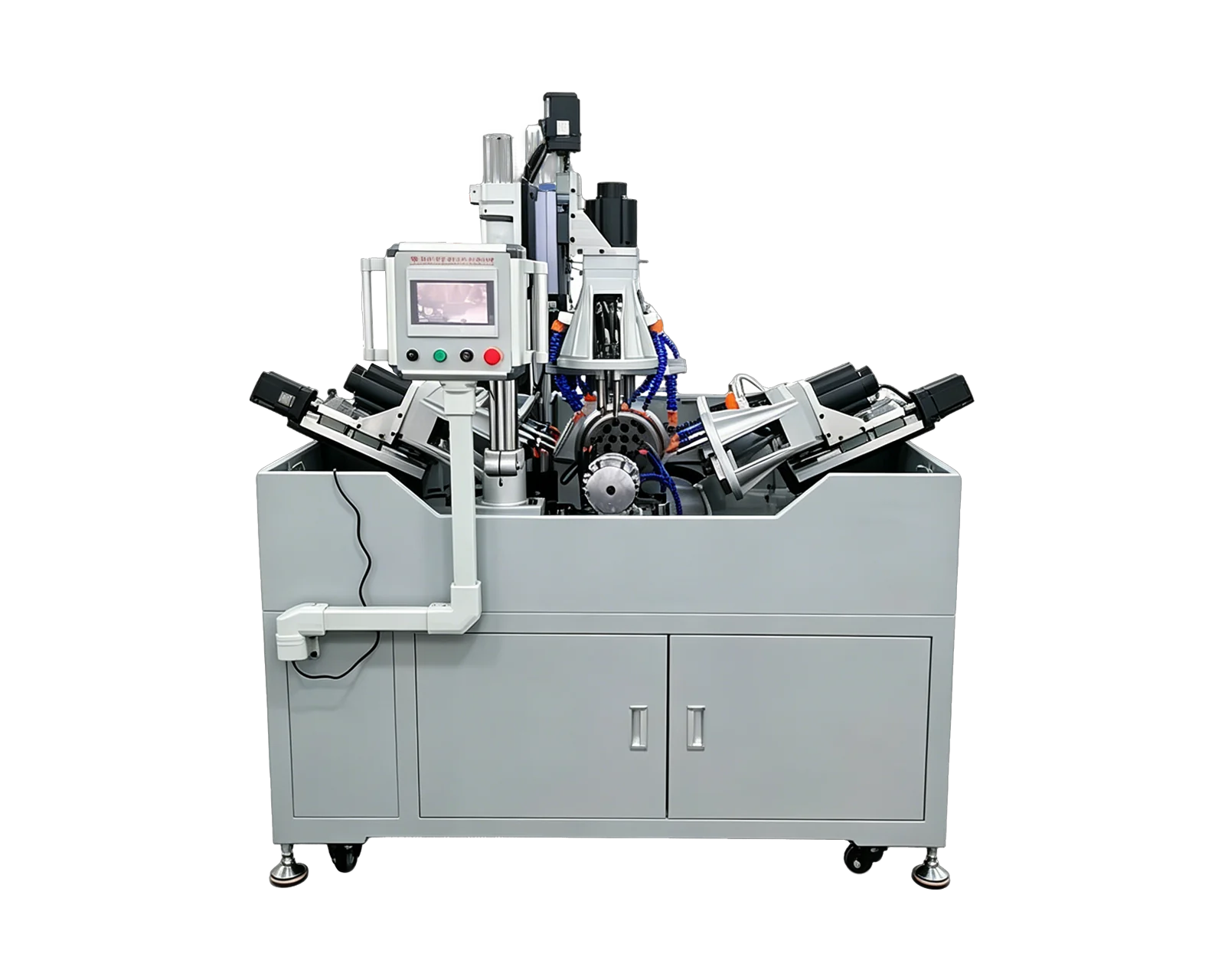
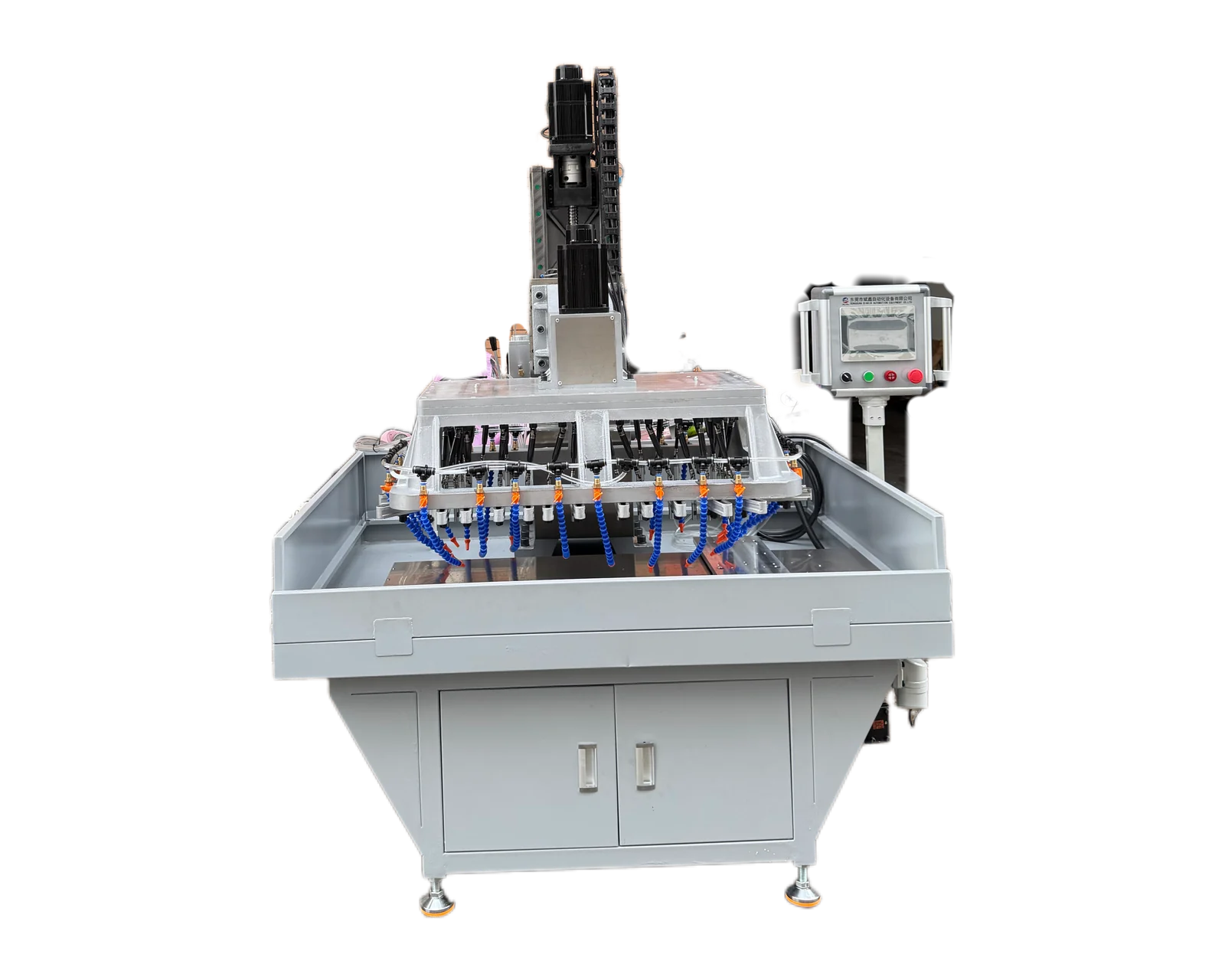
Servo Traverse Multi-Spindle Drilling & Tapping Machine →Review the published specifications and configuration options against your part drawing before requesting a quote.
Identify what the quotation currently covers
A change can only be assessed against a clear baseline. Retain the quotation revision with its covered drawings, material description, operation list, part family, loading boundary and production requirement. Include agreed exceptions and unresolved items. These records explain what the supplier assessed and prevent two teams from using different versions of the project while believing they are discussing the same machine.
Assign a project contact on each side to maintain the scope record. Technical discussion can involve several people, but decisions should return to one identified record. Keep old documents available as history while clearly identifying the current approved versions. This is especially useful when a standard platform has application-specific tooling, or a custom layout includes several processes whose assumptions were agreed at different times.
Describe the difference and why it matters
Give each request an identifier, date, reason and requested effective point. Send the revised drawing together with a concise description of the differences. A marked comparison helps direct attention, but the complete revised requirement remains necessary. State whether the change is mandatory, a proposed alternative or a question still under review so the supplier knows what decision is actually needed.
Request an impact response before confirming scope
Ask the supplier to distinguish confirmed effects from items still requiring assessment. The response should identify which supplied components, documents and verification activities would change, and whether the current quotation remains applicable. Have commercial and scheduling effects stated alongside the technical response. Where further information or representative parts are needed, record that dependency rather than interpreting silence as no impact.
A seemingly small drawing edit may affect a fixture or process assumption, while another change may require only a document update. Avoid deciding the impact from the size of the marked area or the number of changed dimensions. For a quantity increase, clarify whether demand grew within the same production window or whether more operating time is available. Those are different requirements even when the order total is identical.
Record the decision and communicate its boundary
Record the accepted option, the revised scope reference and any agreed cost or schedule adjustment through the project's purchasing process. Identify which work is affected and how it should proceed while a decision is pending. Sending a request does not automatically change an order. Keep unresolved items visible to the people authorizing the next step, with a response owner and requested decision date.
Once agreed, distribute the current references to everyone who needs them: the machine supplier, tooling or inspection providers and the buyer's production team as applicable. Confirm that sample parts used for further evaluation match the accepted revision or are clearly identified as exceptions. An earlier successful demonstration can remain useful background, but its applicability to the changed requirement needs an explicit review.
Close the change with the evidence it affects
A change record is complete when its agreed actions and updated documents are accounted for. Link the revised layout, tooling list, inspection requirement or demonstration result to the change identifier where relevant. If an item is deferred, record its owner and the condition for closure. This keeps the final delivered configuration traceable to the approved requirement instead of relying on a chain of informal messages.
Before final handover, reconcile open changes with the configuration being supplied. After delivery, assess new requests against that actual configuration and retain the same discipline. For a BINSING scope discussion, email the current quotation reference, revised drawing and a short change summary. Ask for the affected requirements to be reviewed before relying on an earlier price, output estimate or layout for the new production need.