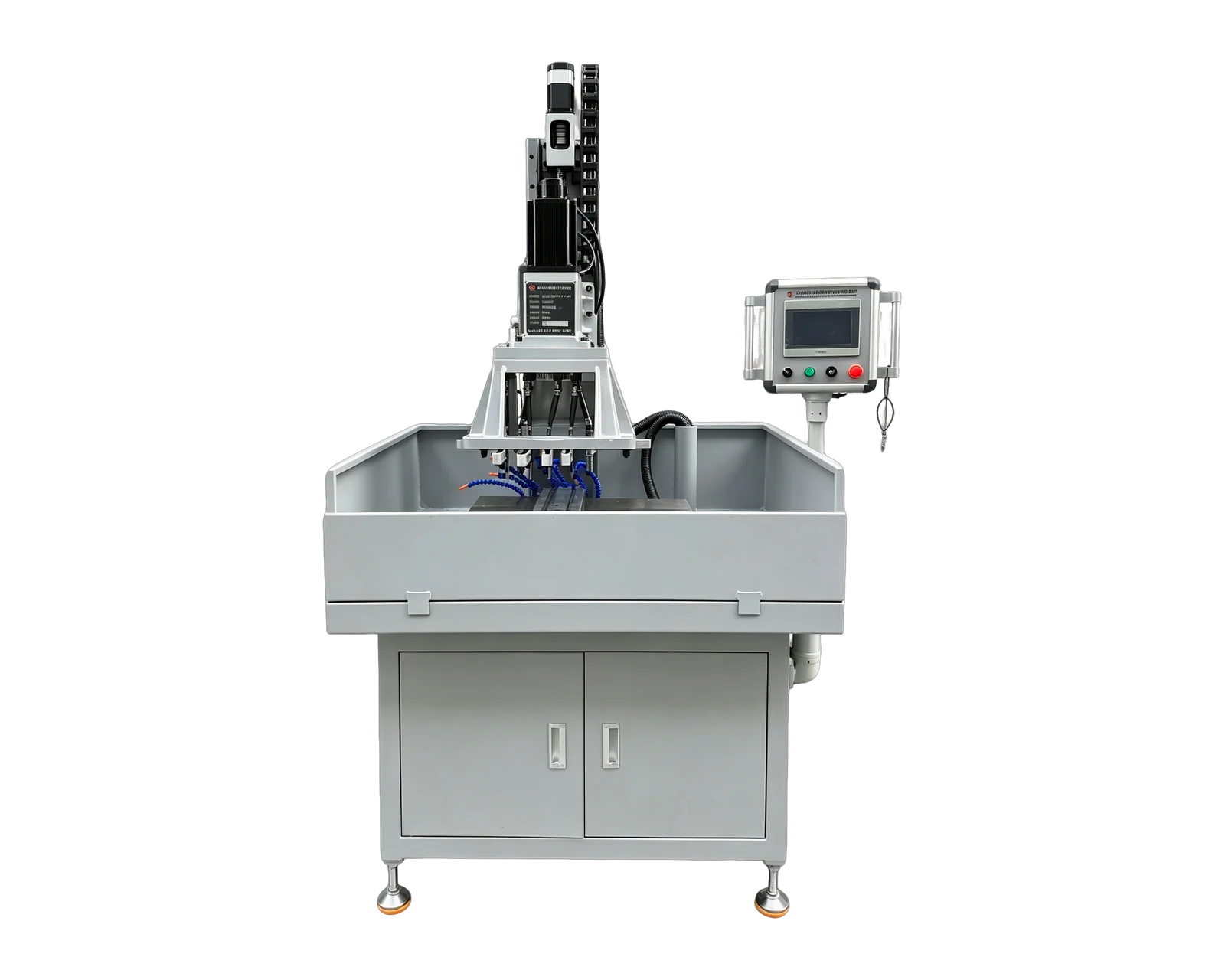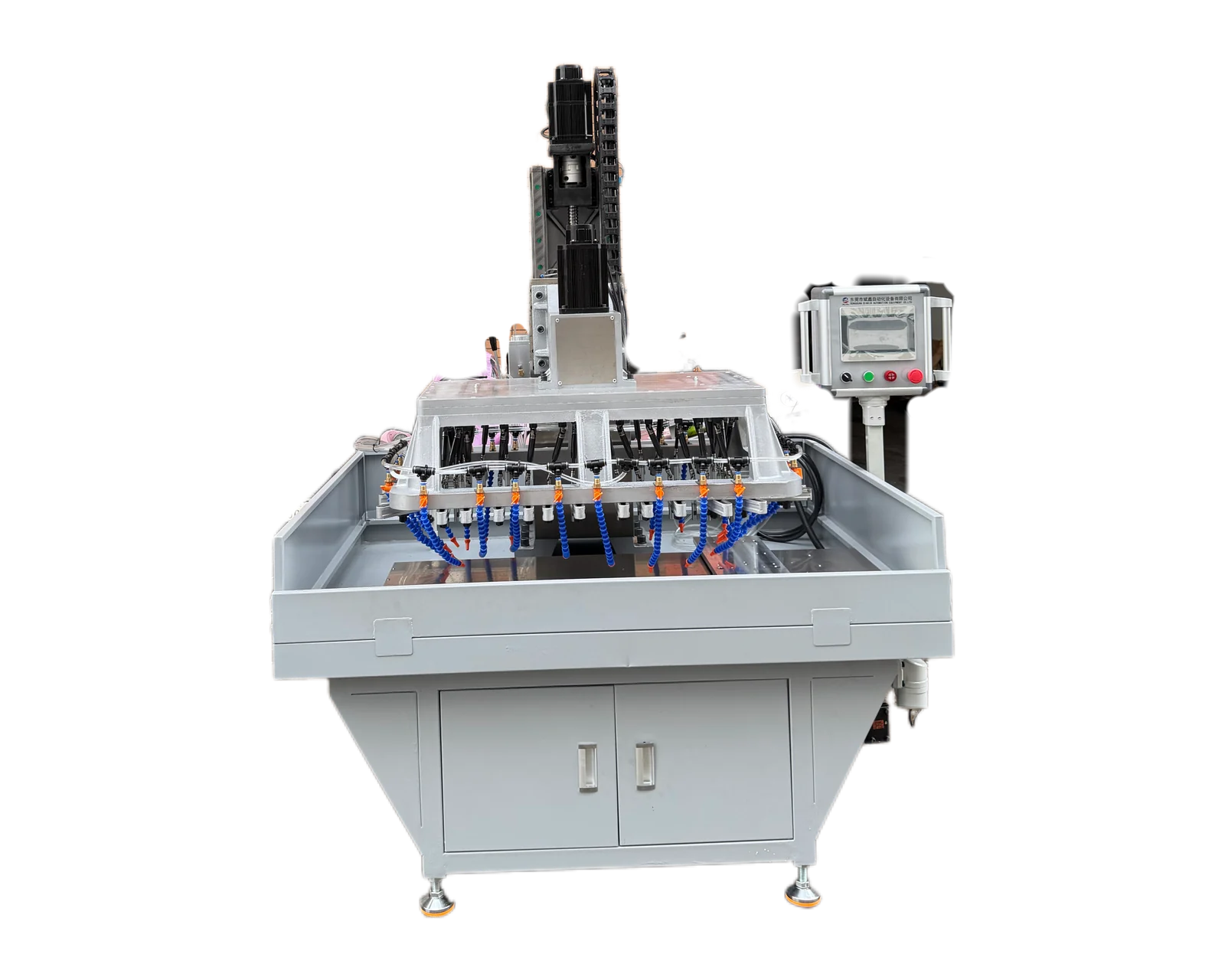
Explore equipment for your inquiry
Automatic Drilling & Tapping Machines →Compare standard platforms and custom layouts, then prepare the part and production requirements for your quote.
Say which decision the early proposal should support
Begin with the reason for the inquiry. You may be comparing manufacturing approaches, exploring workholding access or preparing an internal investment discussion. State the decision date and the questions that matter most. A request for an indicative direction needs different evidence from a request to finalize equipment. Explaining the purpose helps avoid spending time refining details that the product design team may soon change.
Describe the intended operation, material, approximate part envelope and expected production pattern using the information currently available. Label provisional quantities and dimensions as provisional. If there are several design alternatives, show them separately and explain which differences are under consideration. Do not merge their most demanding features into one unidentified part unless that combined requirement is genuinely intended.
Explain what each piece of evidence can establish
Send a compact information pack with dates and identifiers. Photographs can help explain appearance and possible access; a physical sample can reveal the supplied condition; sketches can describe intended changes. Each has limits. Ask the supplier to state which conclusions rely on each item and which questions remain open. This makes the response easier to update when the controlled drawing becomes available.
Keep design decisions separate from supplier assumptions
Build a short open-item list with an owner for each question. Examples include the final thread specification, whether a locating surface will be finished upstream, and which faces must be machined in the proposed equipment. Mark items the buyer must decide separately from items requiring supplier feasibility input. A machine supplier should not have to guess which part features are negotiable and which are already fixed.
Consider a hypothetical bracket whose general shape is fixed while two hole positions remain under review. Send the current sketch and identify those positions as undecided. Ask whether the alternatives could affect the equipment direction or fixture review, without assuming they are interchangeable. The resulting discussion can guide the next design decision while leaving final equipment selection dependent on the released requirements.
Match the requested answer to the information available
Ask for a clear label on the response: initial equipment direction, concept subject to listed assumptions, or a budget indication with defined inclusions. Request the assumptions that most influence the proposal and the information needed to move to the next stage. A preliminary response can be useful without presenting a settled fixture, demonstrated output or final commercial scope before those items have been reviewed.
For budget comparisons, give suppliers the same provisional operation list and ask them to separate included equipment from optional or unresolved work. Record whether feeding, inspection, preparation and integration are inside the discussion. Avoid ranking early figures as if all suppliers have priced the same finished requirement. A visible scope difference is information to resolve, not automatically a reason to prefer the lower figure.
Plan the transition from concept to a defined requirement
Assign a reference to the initial inquiry and keep its evidence together. When a revised sketch, sample or drawing is available, send a short change list rather than replacing files without explanation. Ask which earlier conclusions still apply and which need review. Record unresolved items with the proposal so a colleague reading it later can distinguish accepted requirements from temporary working assumptions.
For an initial BINSING discussion, email the best available images or sketches, identify any sample you can provide and summarize the required operations. Include the decision you are trying to make and the main unknowns. Request a useful next step, such as the additional information needed to compare a standard platform with a custom layout. This gives the inquiry a practical outcome before the final drawing exists.