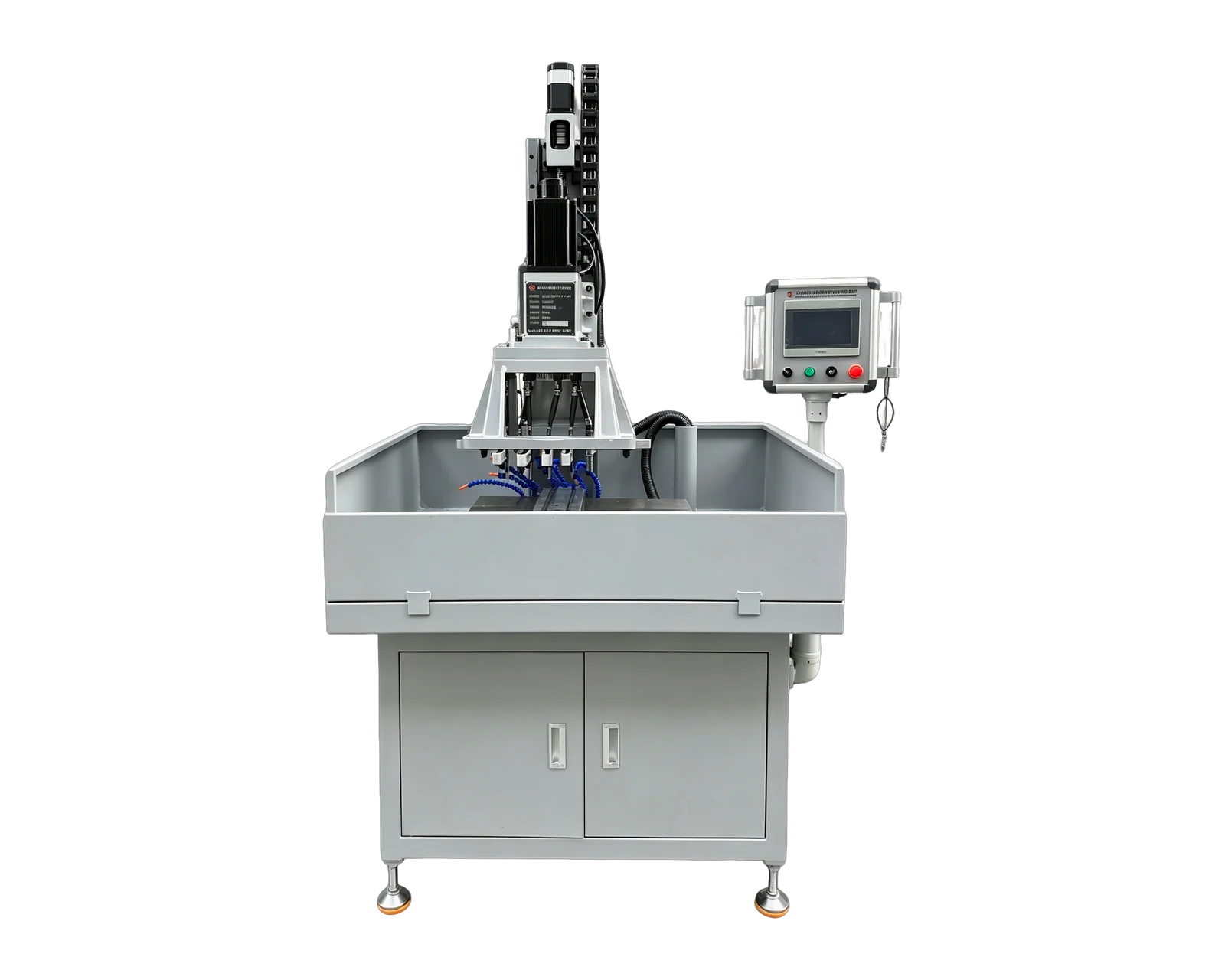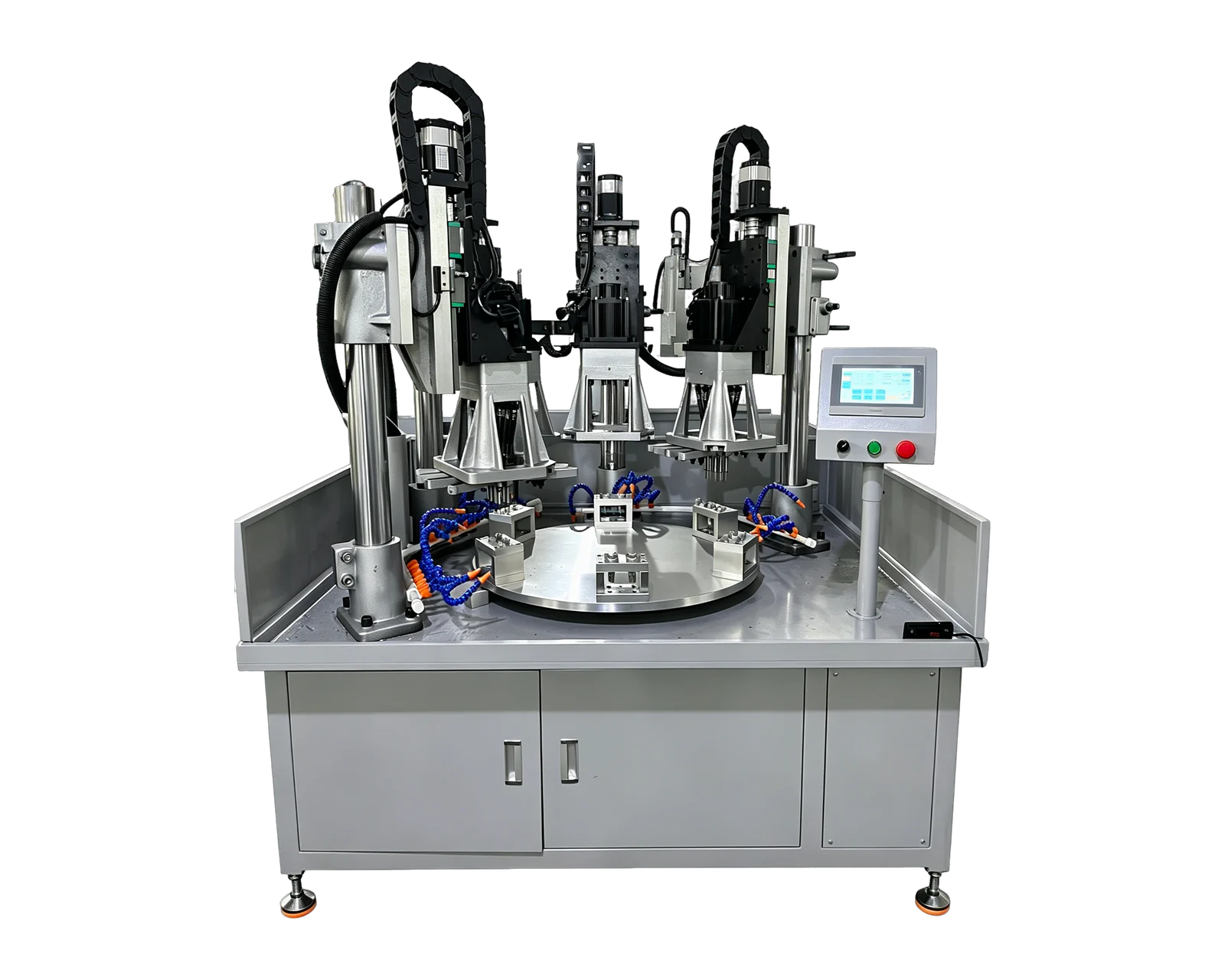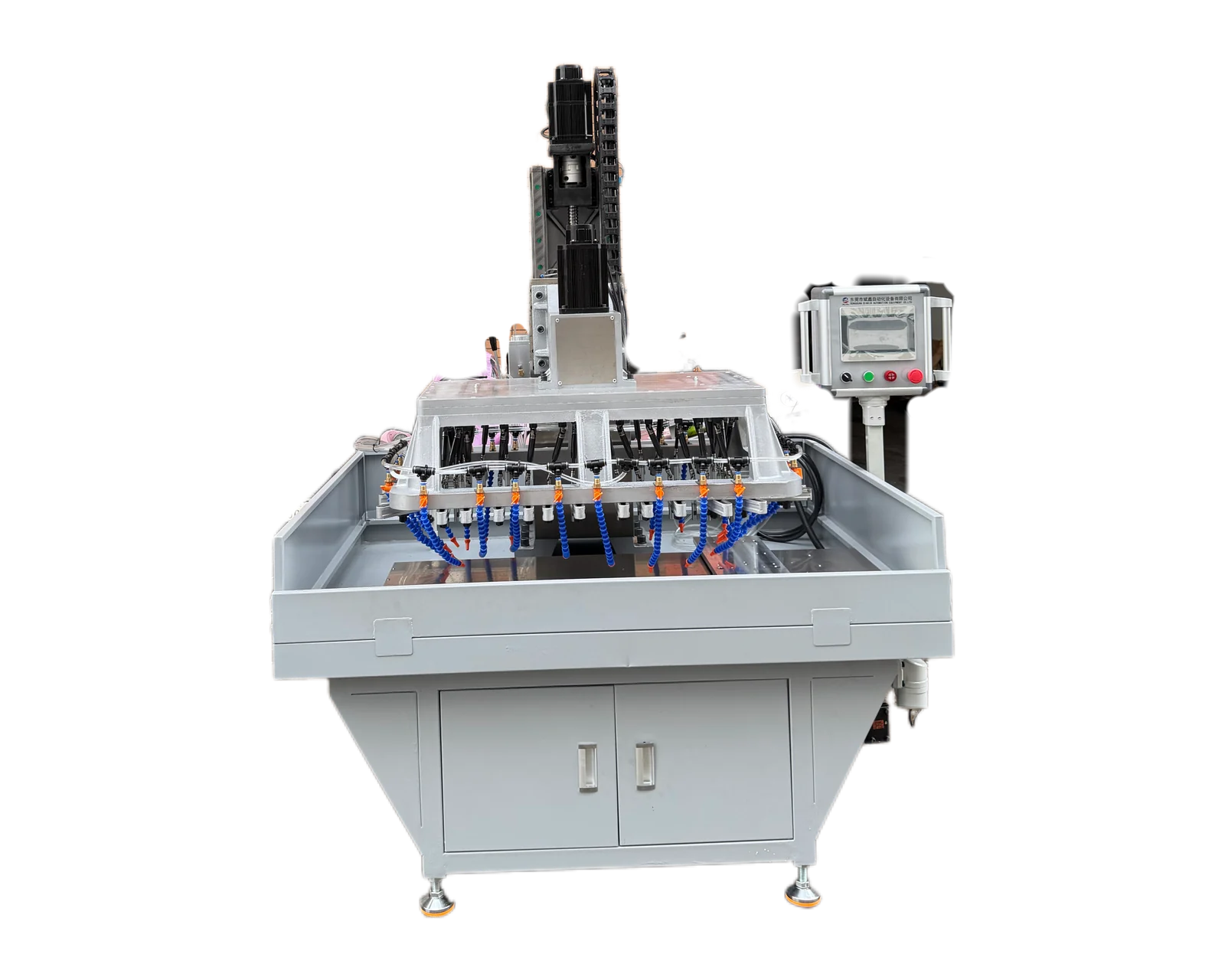
Explore equipment for your inquiry
Automatic Drilling & Tapping Machines →Compare standard platforms and custom layouts, then prepare the part and production requirements for your quote.
Send a drawing that identifies the actual work
Use the current drawing revision and mark the features the new machine must produce. Include views that show all machining faces and critical relationships. If the drawing also includes features completed elsewhere, distinguish those from the requested operations. This prevents an enquiry from being interpreted as a request to manufacture the entire component.
If a complete drawing is not available, send clear photographs with dimensions and a written description. Explain which measurements are confirmed and which need checking. This is enough to begin a discussion in many cases, but the final configuration should be based on requirements both sides understand.
Describe the material and incoming condition
Give the material designation you actually use, rather than only a broad category when more detail is known. Describe how the part is supplied to the machine, including existing holes, coatings, burrs or oil. The supplier needs to know what is already present before planning drilling, tapping and handling.
For threads, provide the full designation, pitch, required depth and any drawing-specified inspection requirement. For holes, identify diameter, depth and position requirements. State whether your dimensions describe the supplied part or the finished part. If a requirement is open for discussion, mark it as such rather than silently substituting an estimate.
Explain output and part variation in practical terms
State the required quantity per shift, day or other defined period, and give the operating hours behind that target. Include the available operators and any constraints imposed by the upstream or downstream process. A bare number such as parts per minute leaves too many assumptions about handling and checks.
List the part variants expected on the machine and send drawings for representative differences. Highlight changes to dimensions, hole patterns or threads. Explain batch sizes and how often the product changes. This lets the supplier distinguish a proposal for one fixed component from a proposal that must support a defined family.
Use email to share technical files and context
Use the contact details on this website to send the drawing and supporting photos by email. Put the project or part reference in the subject and keep the same reference on later revisions. In the message, identify the latest drawing and summarize what changed when sending an update.
If you have a preferred BINSING model, include its name; if not, describe the task and ask for a configuration review. A short video of the current process can help explain loading and handling. Overseas discussions can begin with these materials, with physical samples arranged later as the project progresses. Agree how any confidential information will be handled before sharing restricted material.
Check what the quotation covers
After the technical review, compare the proposal with your submitted operation list. Check the machine configuration, tooling, fixtures, covered part variants, loading method and any inspection functions. Ask for exclusions and unresolved assumptions to be stated clearly, especially where another process is still required.
Agree the acceptance requirements before ordering, including the finished-part checks and how the machine will be inspected before shipment. BINSING supports factory inspection or a video inspection arranged for the project. Confirm delivery, installation and support responsibilities in the commercial offer. A clear enquiry does not need to be long; it needs to connect the actual part with the result you require.