
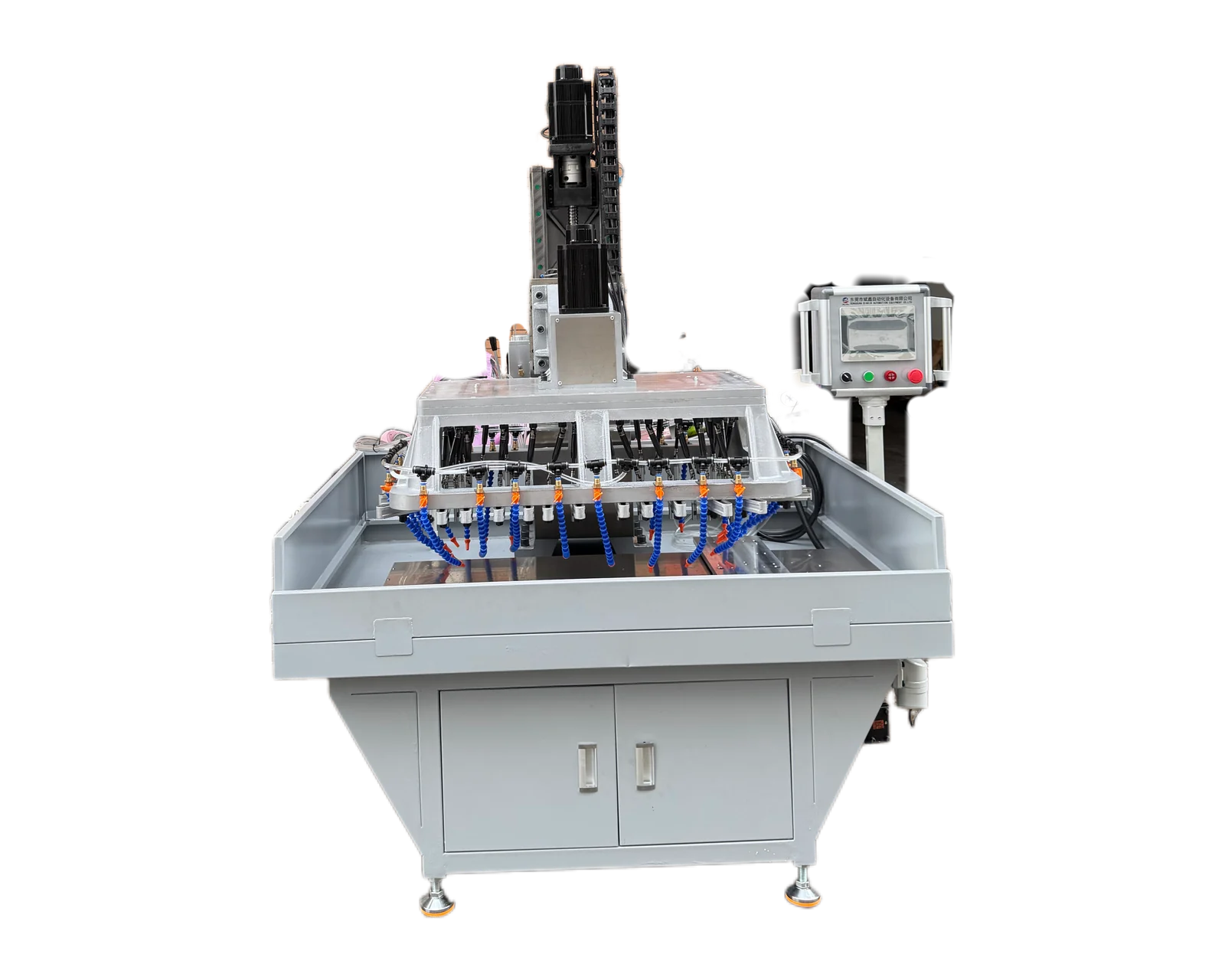
Explore equipment for your inquiry
Servo Traverse Multi-Spindle Drilling & Tapping Machine →Review the published specifications and configuration options against your part drawing before requesting a quote.
Define what the supplier means by a recipe
The term recipe may refer to a named collection of settings, a part selection entry or another configuration-specific function. Ask the supplier to describe its meaning in the proposed equipment. Separate that description from the buyer's required outcome: selecting the approved arrangement for an identified component version. Do not assume a particular control architecture from the term alone.
State the initial production list and distinguish delivered versions from possible future additions. A quotation for one part should not silently become a promise of unrestricted future variants. If you expect your own staff to maintain approved part entries, describe that responsibility as a requirement for review and ask what documentation, permissions and training would be included.
Map delivered entries to controlled part identities
Use a delivery register that purchasing and production can read together. The illustrative fields below do not imply that a particular machine provides every function. They identify the questions to resolve. Where a function is unavailable or outside the supply scope, record that explicitly and agree how the corresponding responsibility will be handled.
Keep a familiar part name from hiding a revision change
In a hypothetical project, component P changes from revision B to C while retaining the same commercial name. The receiving team sees an entry called P and assumes the newer drawing is covered. A better delivery record links the entry to its reviewed revision and evidence, and identifies whether the earlier version remains available or has been superseded.
The same discipline applies when a fixture or outside preparation step changes without a new commercial name. Ask which dependencies the supplier records and which the buyer must maintain. The goal is a usable relationship between part identity and approved configuration, not a long list of program names that only the original commissioning team understands.
Treat backup receipt and recovery scope as separate questions
Receiving files is one delivery event; establishing what they cover is another. Agree whether the requested package contains the relevant configuration records, which version it represents and how it will be identified after subsequent changes. Request a delivery manifest rather than accepting an unlabeled folder as evidence that the complete agreed package has arrived.
Ask who is responsible for any recovery support, compatibility review and approved verification after restoration. Those arrangements are configuration-specific scope questions, not an invitation to change controls or bypass access restrictions. Keep passwords and sensitive access information out of public inquiry attachments. Use the supplier's agreed secure handover process for any access material that is actually included.
Record the accepted baseline and later revision responsibility
At handover, compare the delivered register with the agreed part list and configuration evidence. Mark missing, superseded and unreviewed entries separately. Name the person responsible for maintaining the buyer's copy and the process for requesting subsequent changes. A backup made before the final reviewed update should remain identifiable as an earlier version.
For a BINSING inquiry, email the part-version list and your requested delivery responsibilities. State whether the requirement concerns initial entries, additional versions, documentation or ongoing change ownership. Ask the quotation to distinguish included items from options or exclusions. This creates a concrete discussion without presuming that a standard machine includes a particular recipe, export or access-management feature.
