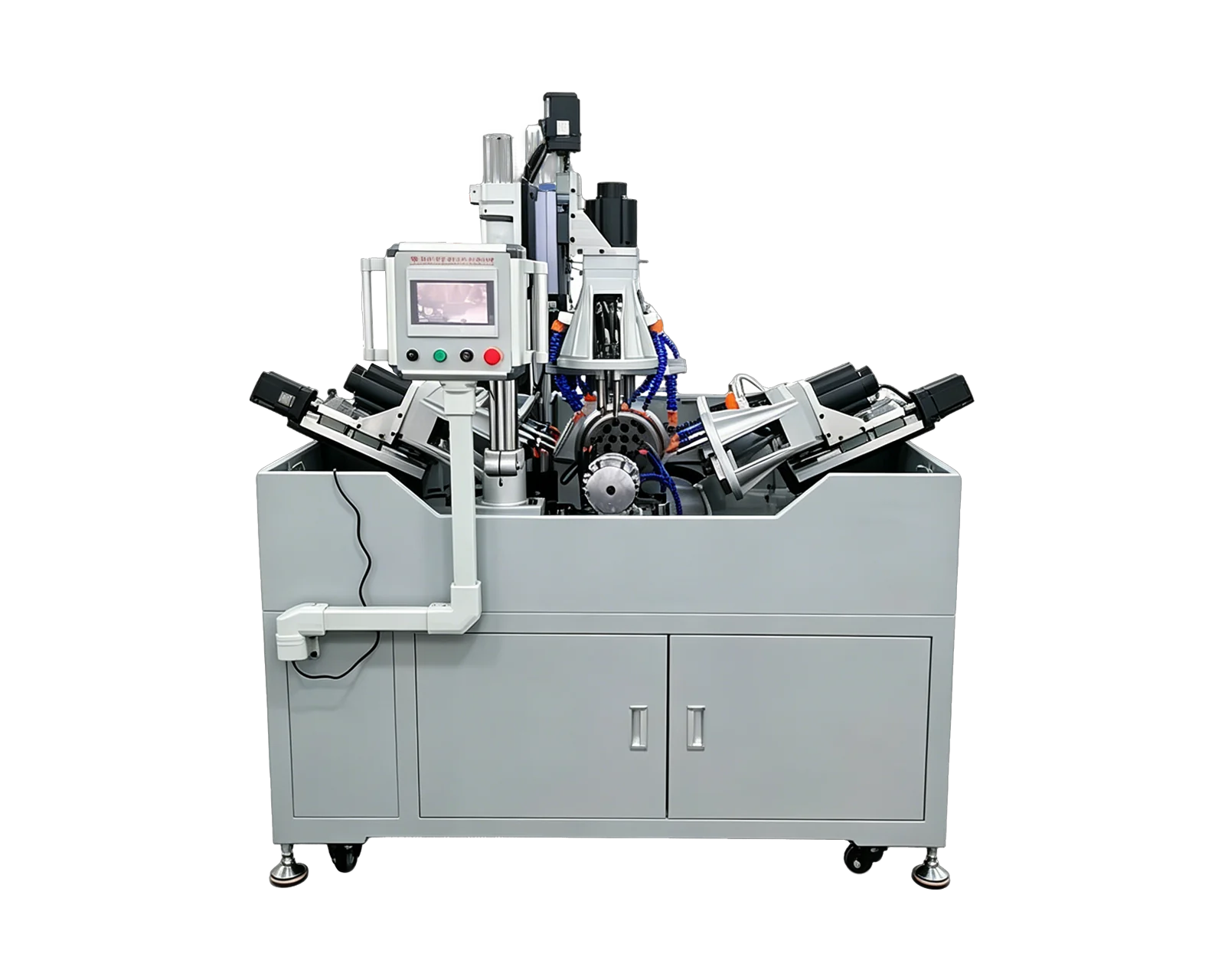
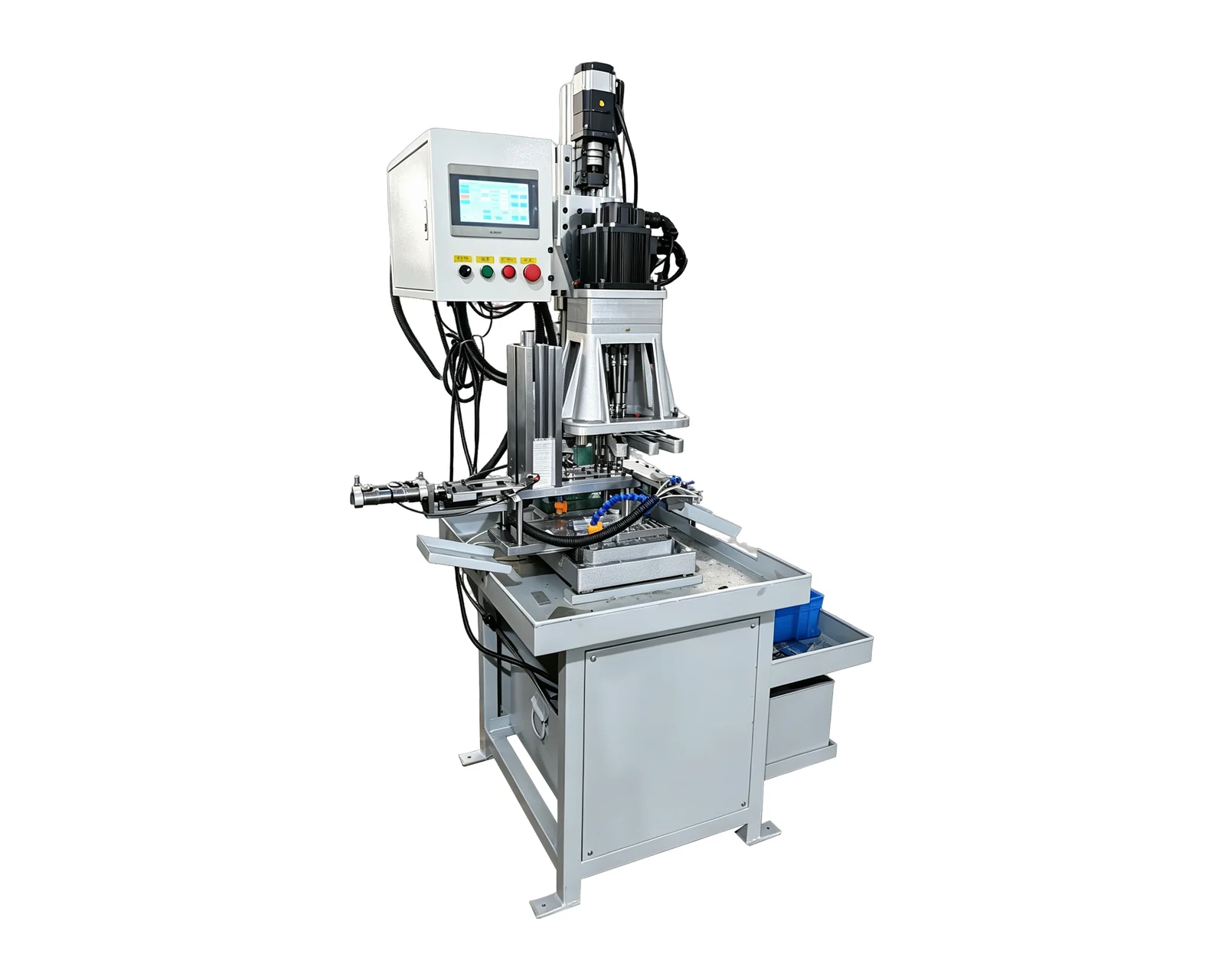
Explore equipment for your inquiry
Servo Traverse Multi-Spindle Drilling & Tapping Machine →Review the published specifications and configuration options against your part drawing before requesting a quote.
Identify the intended medium without assuming suitability
If the factory already uses a machining fluid, provide its exact product identity and relevant supplier documentation through the agreed technical exchange. State whether its use is a firm buyer requirement or a preference for evaluation. Include the workpiece material and the condition in which parts enter and leave this operation. A general description such as our usual coolant is not enough to identify a medium.
Ask who will review the intended fluid against the proposed process and equipment. Keep that confirmation separate from the commercial decision to supply a tank or pump. Existing use elsewhere in the factory does not establish suitability for this configuration. If the medium is undecided, record the information still required and the responsible technical contact instead of choosing a chemical or concentration in the purchase specification.
Map the fluid route as a set of supply boundaries
Follow the proposed arrangement from its source to its collection point and identify equipment ownership at each boundary. The purpose is to determine what the quotation includes, not to prescribe a fluid circuit. Ask the supplier to complete the relevant rows for the application and mark items that are outside the proposed scope.
Treat a factory supply system as an interface project
When the buyer wants to use an existing external supply, provide the available system information and name its owner. Ask the equipment supplier which interface details are required for review. Clarify whether any machine-local equipment remains necessary in the proposal. A request to use a central supply does not by itself remove every local collection, delivery or monitoring item from the scope.
Consider a hypothetical factory comparing one quotation with a local fluid arrangement and another that assumes a buyer-provided external service. The machine prices cannot describe the complete difference until purchasing identifies the external work and the receiving boundary. Add those scope items to the comparison before concluding that one proposal supplies the same arrangement at a lower price.
Record the medium and equipment used for a trial
Ask the trial plan to identify the fluid and the relevant supply arrangement used during the demonstration. If they differ from the intended production setup, record the difference and its effect on what the trial can establish. A successful sample does not automatically confirm an untested external supply interface or a fluid product that was absent from the trial.
Separate machining results from system-scope observations. The trial record can identify the proposed collection arrangement, outstanding interfaces and questions requiring further review without claiming a universal fluid performance result. Assign ownership for supplying the agreed medium and its documentation before sending samples. This avoids discovering during the review that buyer and supplier planned to evaluate different conditions.
Replace a general coolant line with an itemized statement
Request a quotation attachment naming the included assemblies, the excluded buyer provisions and the fluid information on which the proposal depends. Ask which documents identify replacement items or routine supply responsibilities. Keep fluid purchasing, equipment provision and any external handling arrangements distinct. The word filtration should be connected to a reviewed requirement rather than treated as a promise of every possible cleaning result.
Send BINSING the part drawing, material details, intended medium information and a description of any existing factory supply. Mark unknowns clearly and request a scope review for the proposed machine. Retain the resulting boundaries with the quotation so production, facilities and purchasing can work from the same record when the configuration advances.