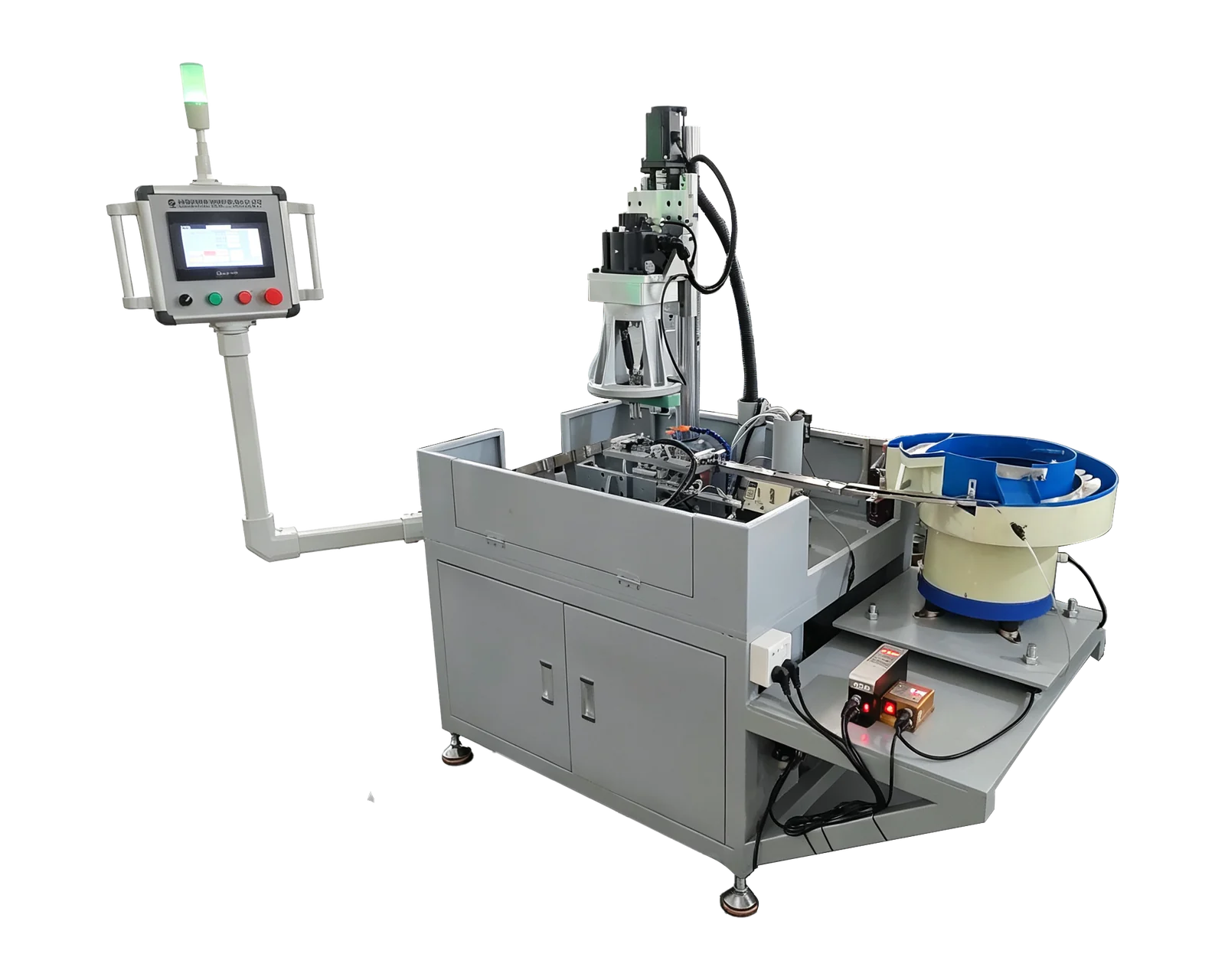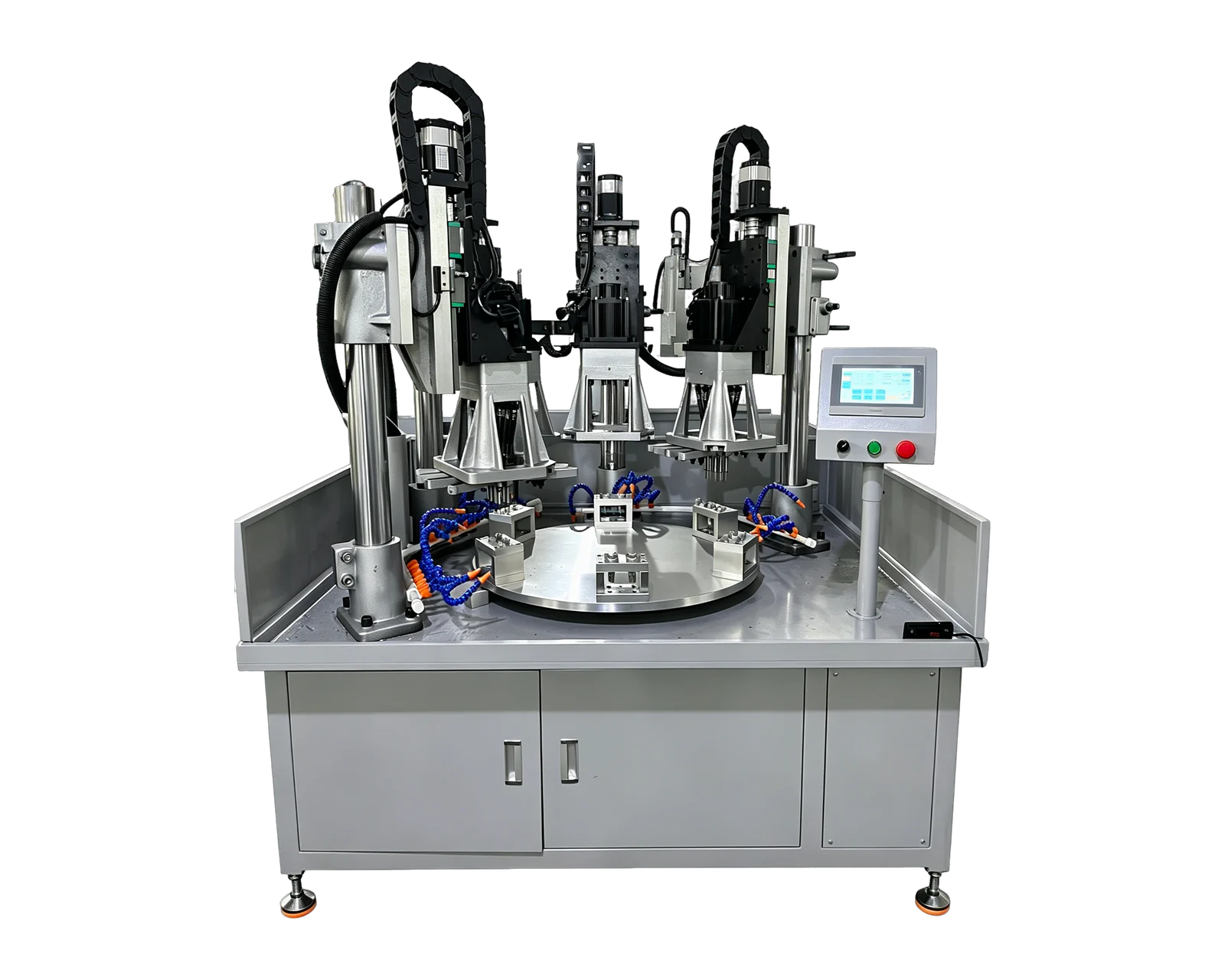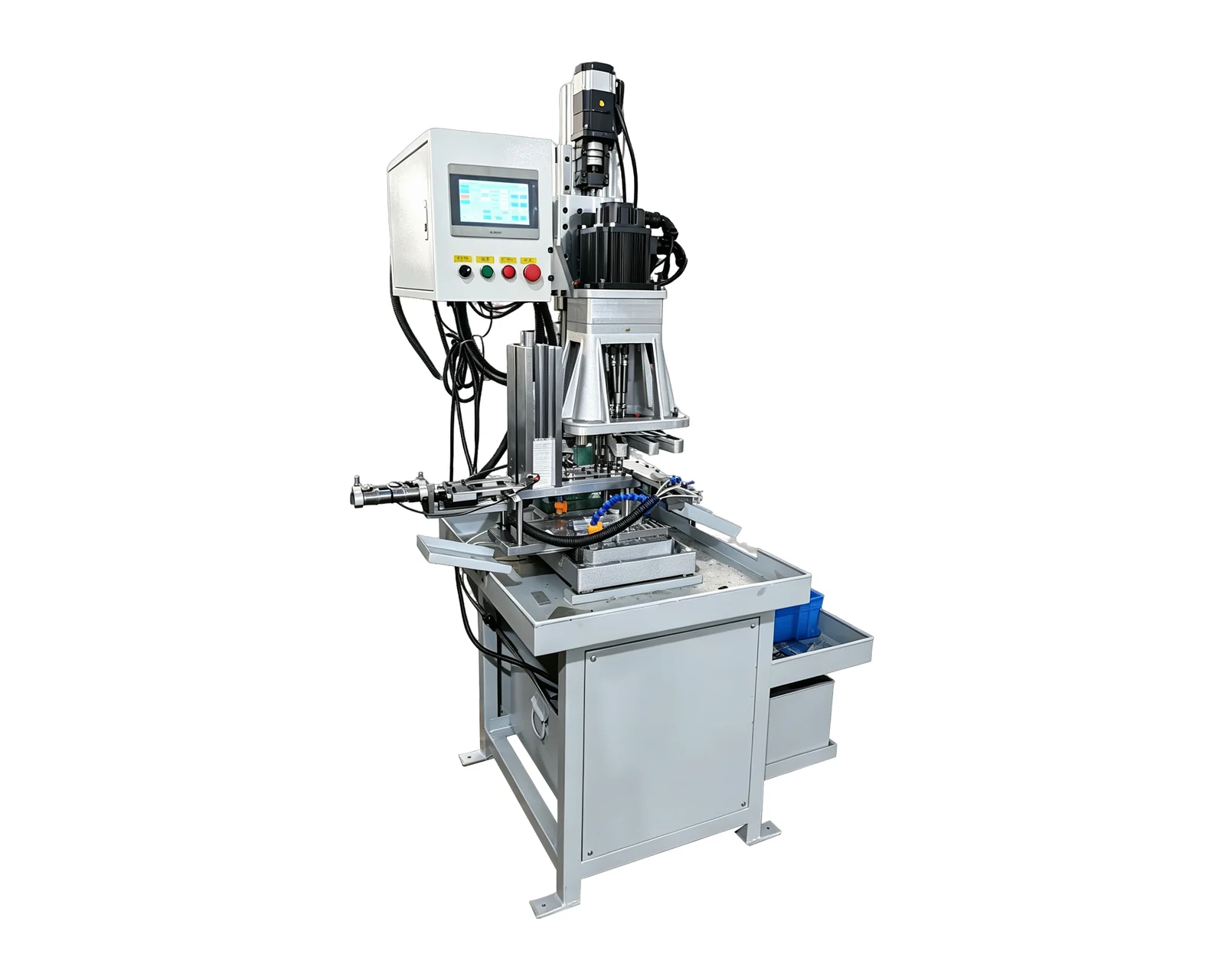
Explore equipment for your inquiry
4508 Gear-Driven Automatic Tapping Machine →Review the published specifications and configuration options against your part drawing before requesting a quote.
Name the actual destination after machining
Begin with a simple statement of where each component should go after the requested operation. The destination might be a buyer-provided container, an agreed transfer position or the input of another process. Identify the physical receiving boundary and the party responsible beyond it. A general requirement for automatic unloading can otherwise mean very different equipment packages to the buyer and supplier.
Distinguish a part that has completed this machine's operations from a part released for the next production stage. If inspection, cleaning or another process remains, name that status and its owner. The discharge proposal should support the agreed route without implying that every part reaching a collection container has passed requirements that were never inspected at the machine.
Use destinations to separate normal and unresolved parts
Create a route record before selecting collection hardware. Include the normal output and any project-specific cases requiring separate handling. The table gives fields for discussion; it does not assert that automatic sorting or multiple destinations are standard features. Ask the supplier which routes are included and which rely on an agreed buyer procedure.
Connect container capacity to the collection plan
Provide the intended container geometry, its relevant handling limits and any site restrictions on placement. State who supplies the container and whether an existing design must be used. Ask how the discharge interface will be reviewed against that design. Avoid estimating useful collection capacity solely from container volume: the agreed arrangement must account for how the actual components occupy the receiving space.
Explain the planned collection frequency and the people or downstream equipment available to remove output. In a hypothetical project, a buyer requests unattended machining but plans occasional manual container changes. The discharge discussion must identify that dependency and the response expected when receiving capacity is unavailable. The quotation should not leave this production responsibility hidden behind a nominal machining cycle.
Make the supplier and factory boundaries meet
If output moves to another machine, identify the receiving position and the information its owner needs for interface review. Keep ownership of the intermediate handling equipment explicit. A discharge point that works into a standalone container may not establish compatibility with an existing downstream station. Request the relevant layout and interface decisions before treating the two arrangements as interchangeable.
If collection remains manual, describe that fact in the scope and ask for the proposed access arrangement to be reviewed by the responsible equipment and site teams. This purchasing record should not prescribe reaching into machinery or clearing an obstruction. The deliverable is an agreed collection boundary with documented responsibilities, including who manages parts whose process status requires further review.
Observe the complete receiving arrangement
Ask the trial plan to include the proposed receiving equipment or to identify differences from the final arrangement. Record the container used, the destination of samples and any manual collection work during the observation. An edited clip showing a single part leaving the fixture does not establish how a full receiving arrangement supports the intended production plan.
Send BINSING the part drawing, intended downstream route and photographs or dimensions of any required container. Identify who owns collection equipment and what status parts should have at handover. Request an itemized discharge scope with open interfaces and demonstration requirements. This provides a purchasing basis for deciding where the machine's responsibility ends and the factory's next activity begins.