Explore equipment for your inquiry
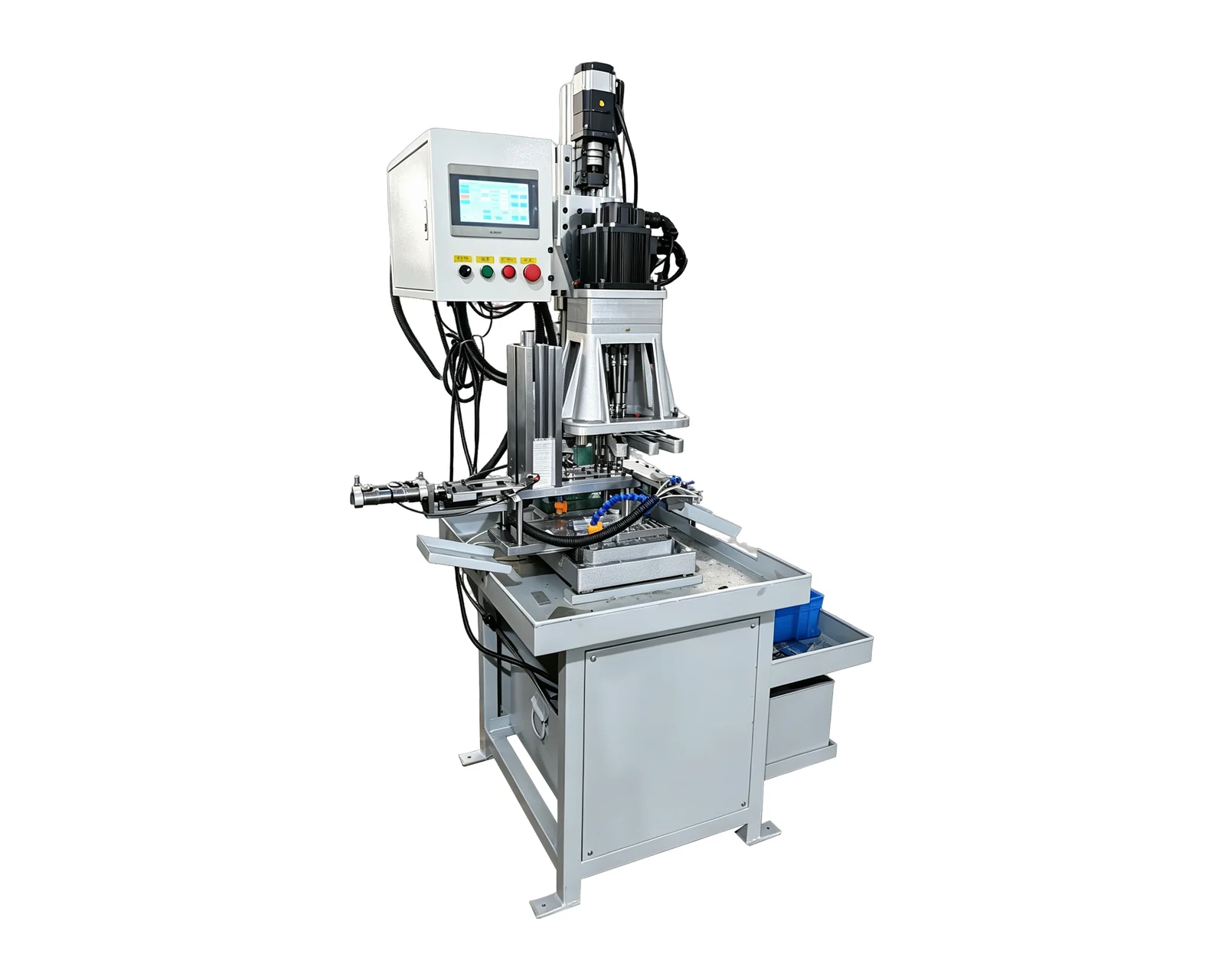
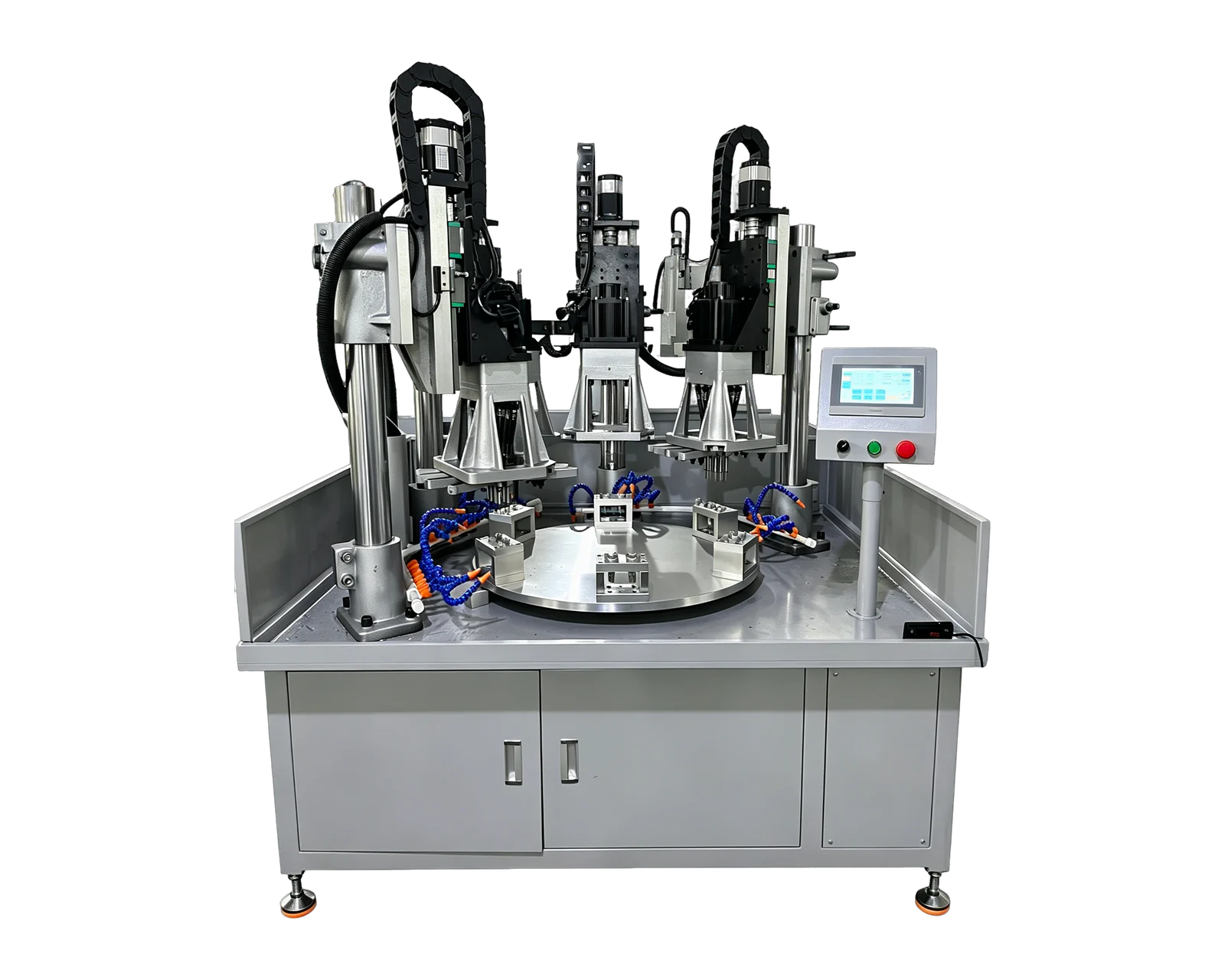
Rotary Indexing Drilling & Tapping →Review the layout options and required part information to define the scope of a custom equipment inquiry.
Name the uncertainty left by an interruption
A part remaining in a machine after an interruption may be unprocessed, partly processed or complete but not released. Those states deserve separate treatment in the purchasing requirements. Write down what production needs to know about the component, rather than requesting a general recovery function that could mean anything from an operator message to a project-specific tracking arrangement.
For a sequence with drilling and tapping, uncertainty might concern whether the drilling operation finished, whether a thread was partly formed or whether the final check occurred. Identify the information needed to distinguish these cases and ask what the proposed equipment can actually provide. A station position or cycle indication alone may not establish the finished condition of every feature.
Create a disposition register for credible part states
The following example defines purchasing questions, not instructions for intervening in a machine. The supplier and the buyer's responsible technical team must establish machine-specific procedures. The register should identify evidence and decision ownership without assuming that automatic continuation is available or suitable for every unfinished component.
Keep the component and its status connected
Define how the status remains associated with the correct component during approved handling. Depending on the production system, this may involve a labeled container, a controlled record or another agreed identification method. Do not assume the machine includes individual-part traceability. Specify whether the requirement applies to one component, a fixture position or an affected group.
Describe the receiving locations needed for parts awaiting a decision, parts approved for another process and parts assigned another disposition. The buyer should establish identification rules that prevent uncertain parts from being mixed with accepted output. The supplier should state which machine-side information or equipment is included and where the buyer's material-control responsibility begins.
Separate machine status from a quality decision
An event record can help explain where an interruption occurred, but it does not automatically establish dimensional conformity or suitability for further machining. Ask quality personnel what evidence they need for a disposition decision. The required assessment may depend on the affected operation, part history and drawing requirements. Preserve unknown conditions explicitly instead of filling gaps with a presumed successful cycle.
If the project requires a way to process approved unfinished parts, raise it before order placement. Ask whether that requirement is included, what conditions it covers and what separate review is needed. A request to resume production should not be interpreted as permission to repeat an operation on any partly machined component. Keep the procedure and authorization under the responsible equipment and production teams.
Agree what the equipment review will demonstrate
Ask for a configuration-specific explanation of the available part-state information and the documentation provided for agreed interruption scenarios. Where a demonstration is appropriate, the supplier should plan the safe arrangement and identify its boundaries. Purchasing can record whether the required information and responsibilities are clear without prescribing control logic or asking staff to improvise a stoppage.
For a BINSING inquiry, describe the sequence and the unfinished-part situations your team needs to manage. Include existing material-status rules and the person responsible for release decisions. A useful proposal states included information, buyer responsibilities and unresolved cases. That makes recovery scope a defined purchasing item rather than an assumption discovered when production first stops.