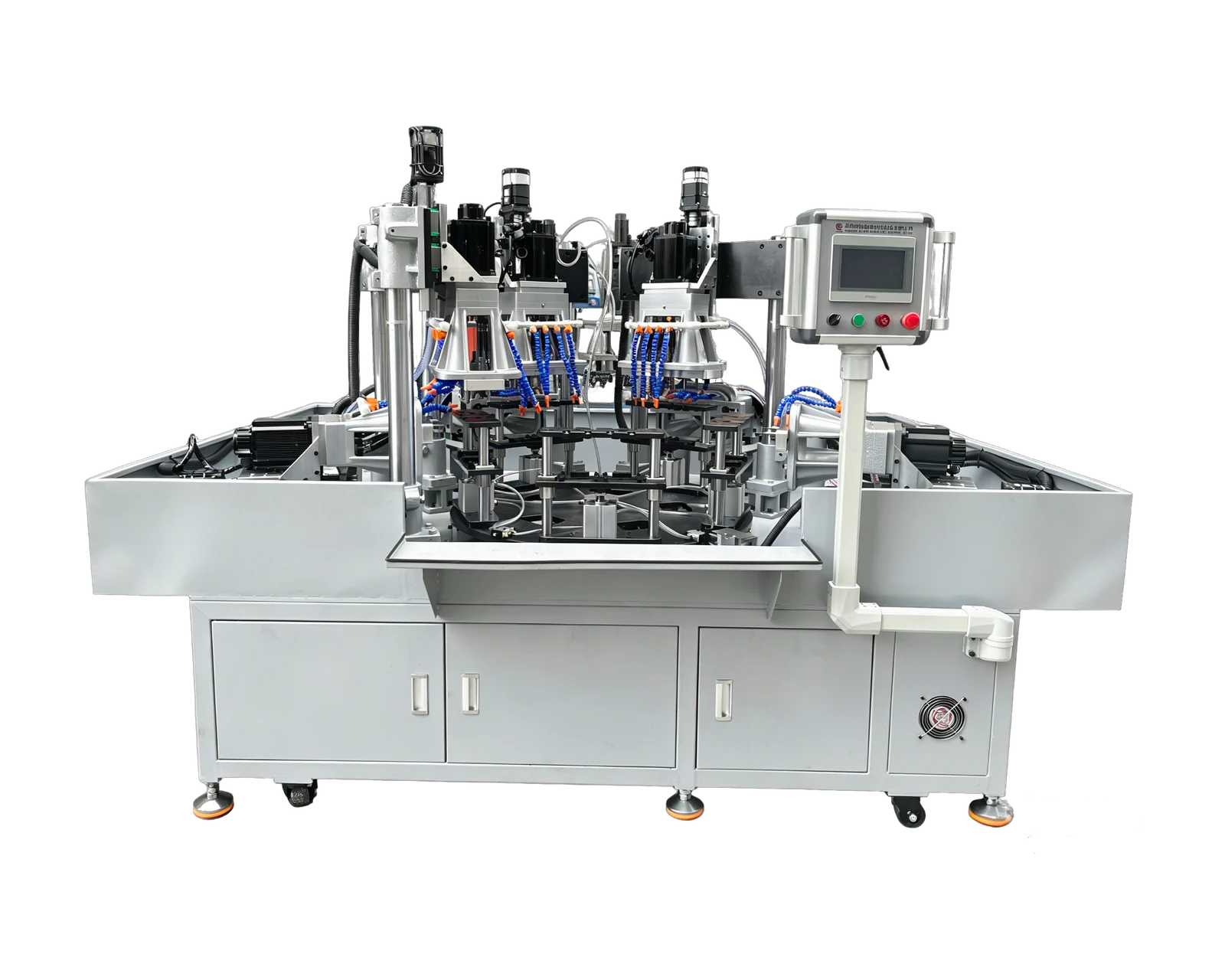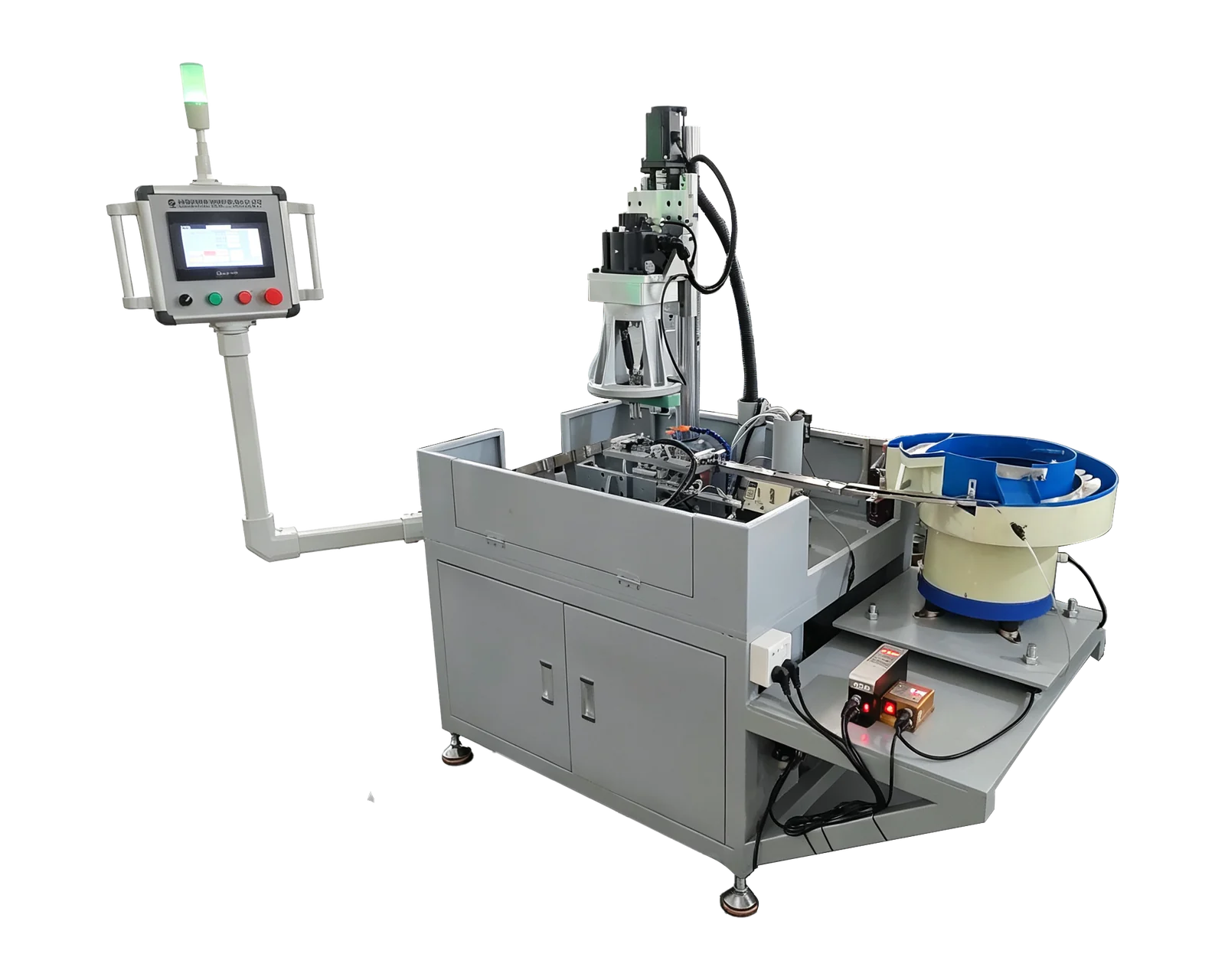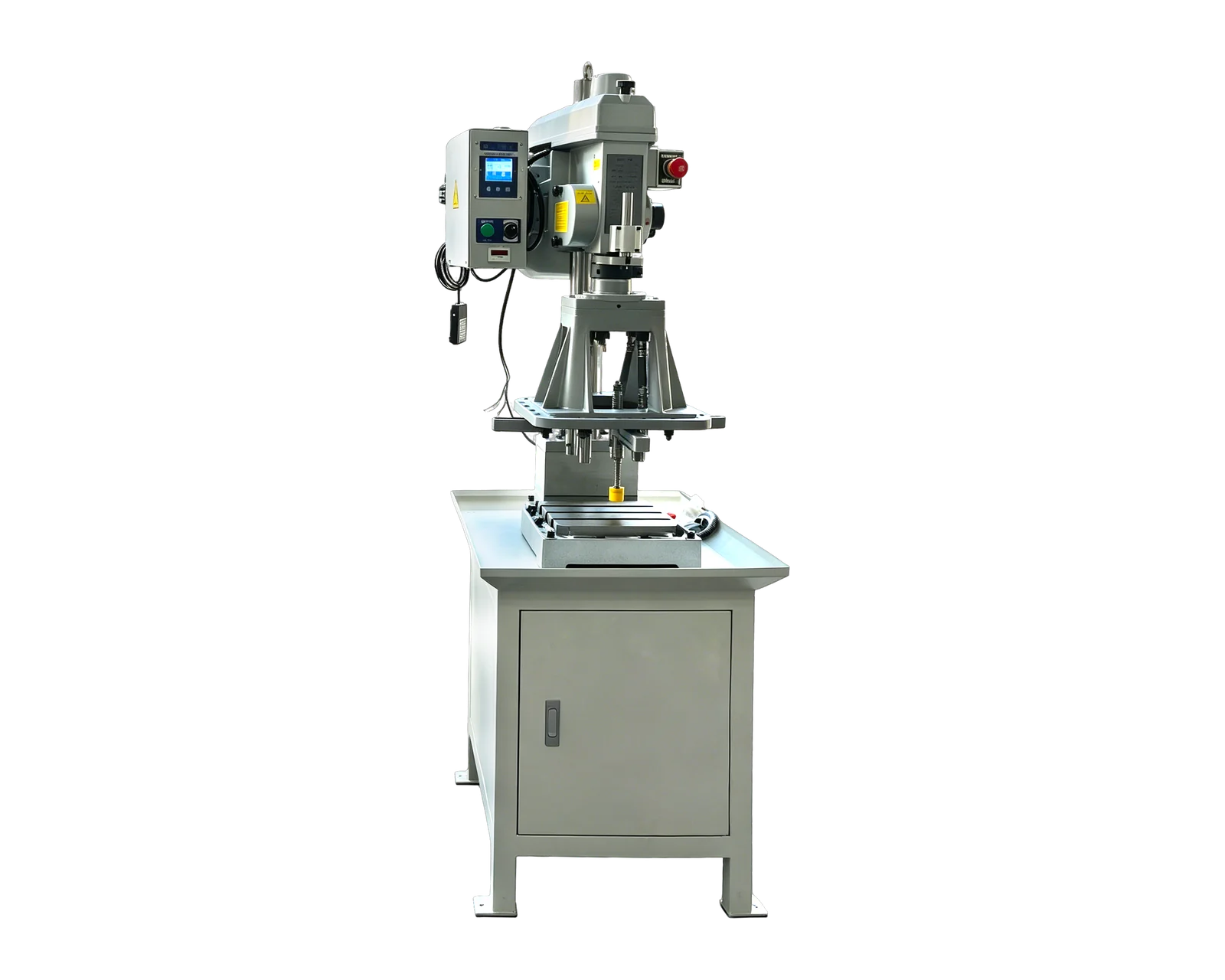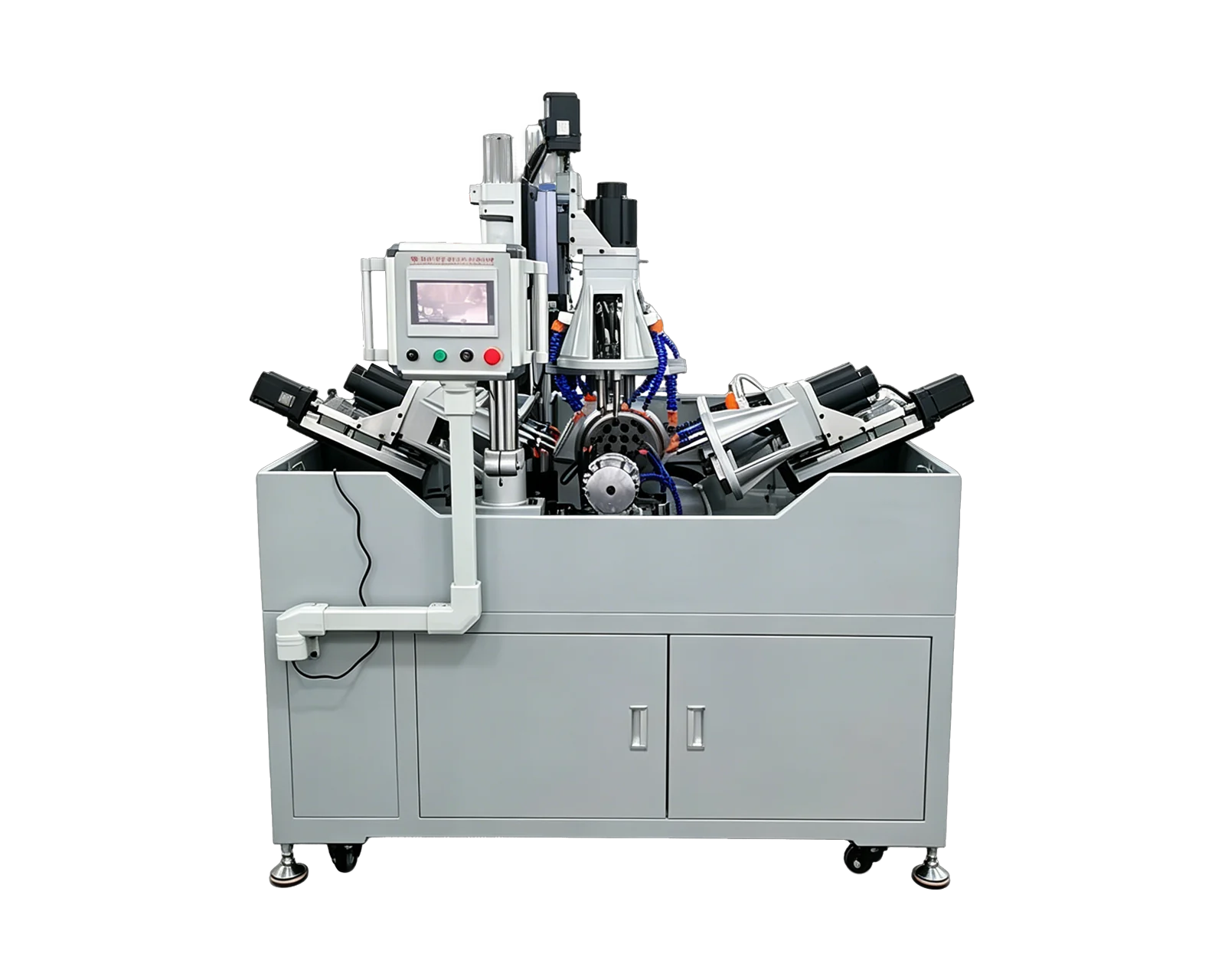
Explore equipment for your inquiry
Multi-Side Drilling & Tapping →Review the layout options and required part information to define the scope of a custom equipment inquiry.
Describe three outcomes separately
Begin with the condition needed at the workholding area, the destination of machining debris and the condition of the discharged part. These are related purchasing questions, but a proposal covering one does not automatically cover all three. A collection arrangement does not establish that internal passages or threaded holes meet the cleanliness required by the next operation.
State the next process and its actual input requirements. Parts going to a separate washing process may have a different agreed discharge condition from parts going directly to assembly or measurement. Ask the owner of that downstream process to define the requirement. Avoid using clean as the only acceptance description when different people may interpret it differently.
Assign the boundary of every related task
Review the proposed equipment against a scope register. The categories below are questions for the quotation, not features claimed for the pictured machine. A supplier should identify included provisions, exclusions and information still needed before confirming an arrangement. Keep equipment supply and ongoing factory responsibility in separate columns.
Review the actual sequence and incoming material
Provide the material description, incoming condition and operation list with the drawing. Mark blind features, intersecting holes and passages that matter to downstream acceptance. The purpose is to identify locations needing review, not to infer a chip-management method from a catalog photograph. Ask the supplier to explain the scope proposed for the actual sequence and workholding concept.
For a multi-station or multi-face arrangement, state where the part travels before discharge and where the agreed checks occur. Identify any transfer to a separate process. If additional cleaning is proposed between machining operations or after the cell, record its owner and whether it belongs in the equipment supply. An operation omitted from the quotation still needs a place in the production route.
Agree what evidence demonstrates the discharge condition
Create a finished-part record containing the part identifier, drawing revision, location checked, agreed method, observed result and reviewer. Use a customer specification when one applies, and resolve unclear requirements before a trial. Do not invent a universal cleanliness limit or assume a close-up video demonstrates the condition of features that cannot be seen.
Where representative samples require a downstream inspection, name the party that performs it and the method for connecting results to the demonstrated setup. Keep the item open until those results are reviewed. If a separate washing process is part of your factory route, distinguish the condition demonstrated immediately after machining from the condition demonstrated after that later process.
Retain ownership after the machine is delivered
Before ordering, clarify which documentation describes the supplied collection provisions and the responsibilities retained by your factory. Have the appropriate facility personnel review waste handling and any site requirements using project-specific information. This purchasing review defines scope and evidence; actual cleaning, maintenance and access procedures belong in the manufacturer's instructions and your approved workplace procedures.
At acceptance, compare the actual arrangement with the agreed register and retain any unresolved items. If the part, material or machining sequence later changes, review whether the earlier discharge-condition evidence still applies. BINSING can begin the configuration discussion from drawings and photos by email; include your downstream process and any existing cleanliness specification so the boundary is visible from the start.