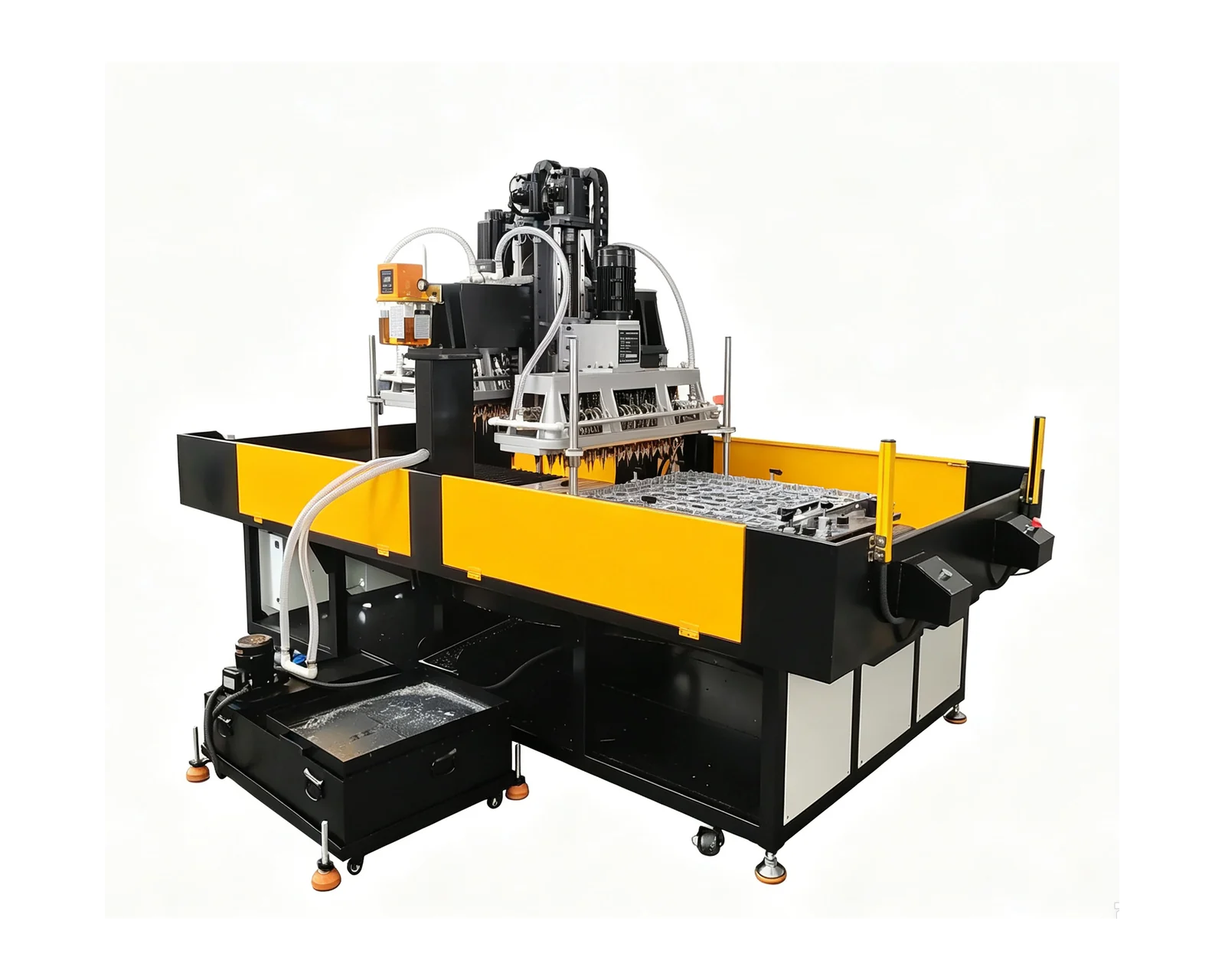
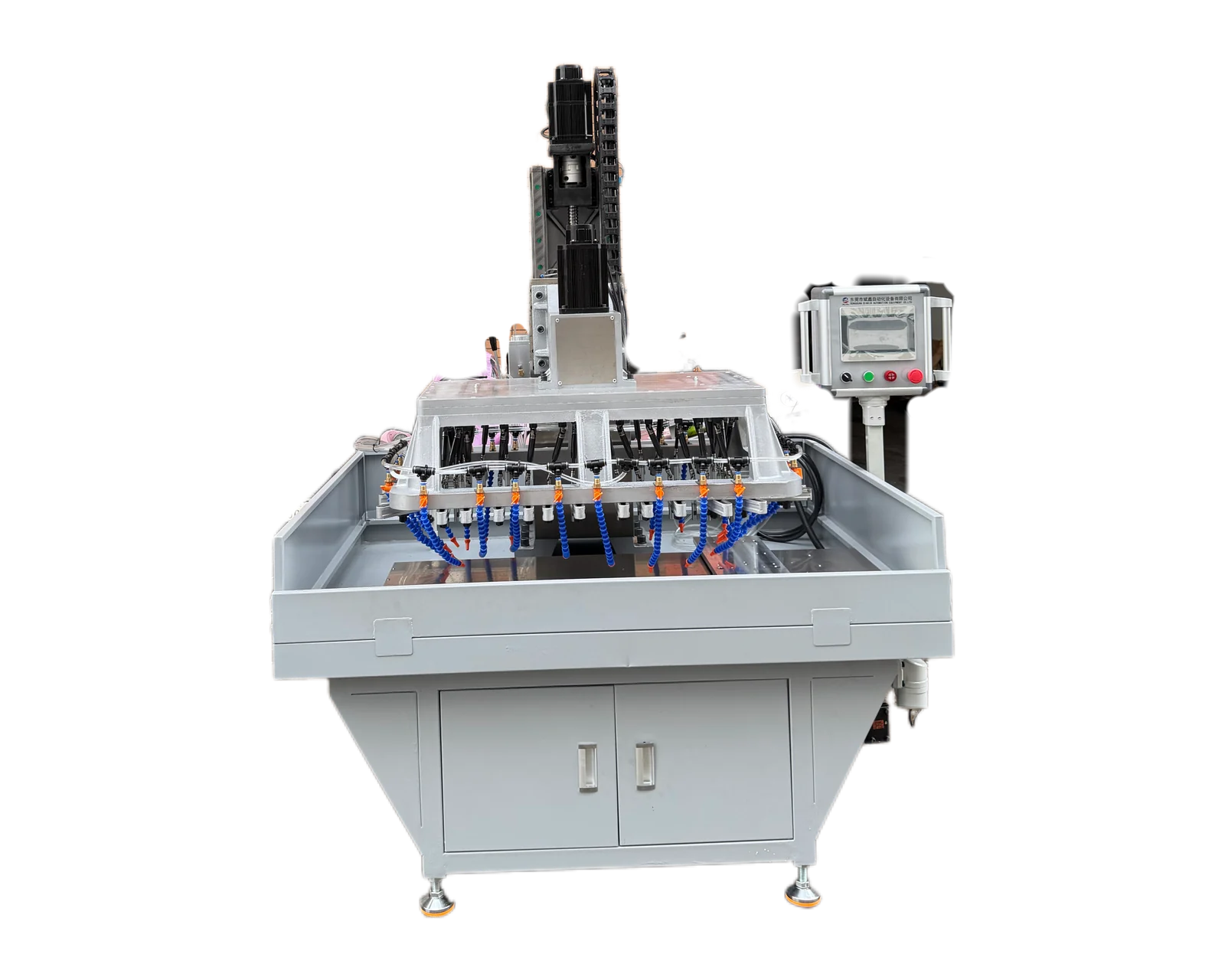
Explore equipment for your inquiry
Dual-Servo Multi-Spindle Drilling & Tapping Machine →Review the published specifications and configuration options against your part drawing before requesting a quote.
List the tasks that the layout must accommodate
Start with a purchasing list of expected service activities rather than a generic clearance around the machine. Ask which tool assemblies, fixtures, collection containers and other components need planned access. Record the intended task, the part of the equipment involved and the information needed to assess its space requirement. Keep operator loading space and maintenance access identifiable even when they occupy the same area at different times.
A task list is a design-review input, not an instruction for carrying out the work. The supplier's applicable documentation and your site's approved procedures govern the actual activity. At quotation stage, the useful question is whether the proposed configuration provides an agreed way to reach and remove the relevant item, with any specialist equipment or responsibilities clearly identified.
Request an access register beside the general layout
A footprint may omit door openings and assembly removal space. Request the additional views needed for the specific arrangement. Use a register like the following to connect each space claim to a task. Dimensions should come from the proposed equipment and its agreed service requirements, rather than from a universal allowance assumed by the buyer.
Review access with surrounding equipment in place
Include the proposed feeder, conveyors, storage positions and adjacent machines in the review. Ask whether any of these items obstructs an identified access envelope. If moving equipment is part of the proposed service arrangement, record what moves, the interfaces affected and who assesses the arrangement. A drawing with only the machining base can miss the obstruction created by an accessory added later.
Consider a hypothetical cell where the normal collection trolley occupies the space needed to remove a fixture. The review should establish whether an alternative trolley position and a usable removal route exist during the agreed activity. It should also identify who coordinates that space. Merely describing the trolley as movable does not close the question if the surrounding production layout gives it nowhere to go.
Separate access provision from service commitments
Ask the quotation to distinguish physical access features, supplied service information and any separately agreed service support. A panel that can be opened does not establish which work the buyer may perform or what assistance is included. Record the responsible party for identifying service tasks, providing the relevant documents and reviewing the site's proposed arrangements. Keep unresolved questions visible in the layout approval record.
Where special handling or specialist personnel may be needed, request the information necessary for the buyer to plan them. Do not infer equipment weights, replacement intervals or response times from an illustration. Confirm the applicable configuration and ask which details are available before order and which are due during design review.
Approve the layout with explicit access assumptions
Record the layout revision, included accessories and reviewed task list together. Mark any access requirement that remains dependent on final tooling or fixture design. When the configuration changes, reopen the affected access question instead of relying on the earlier footprint approval. Retain the review with the handover documents so the production team can understand why certain spaces were reserved.
For a BINSING discussion, email the part drawing and proposed surrounding layout, including restrictions that could affect service access. Identify frequently exchanged tooling or fixtures and any site handling constraints already known. Ask for an access review appropriate to the proposed machine. This gives the supplier a concrete application to assess and helps purchasing distinguish a compact installation from one with unresolved service-space requirements.