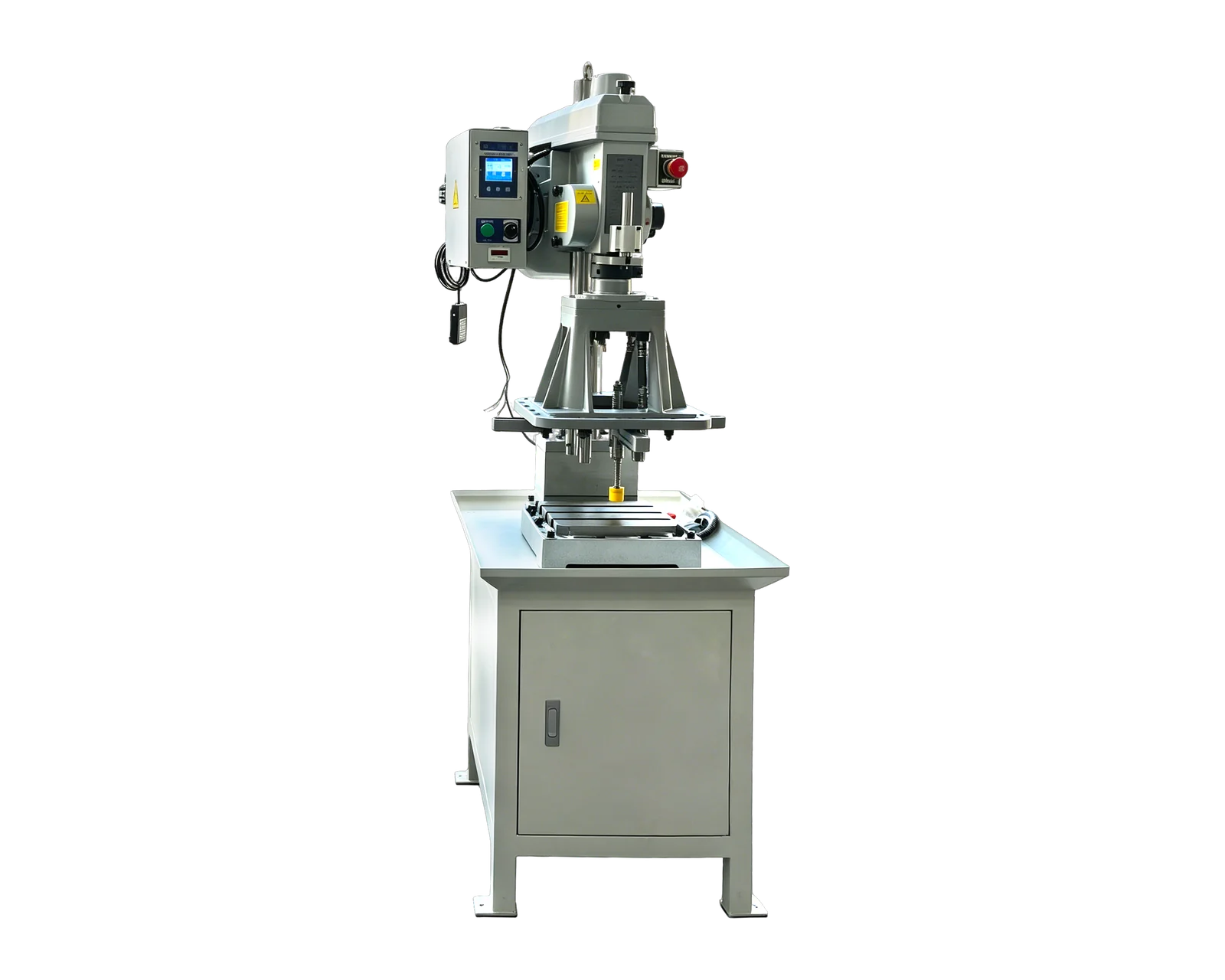
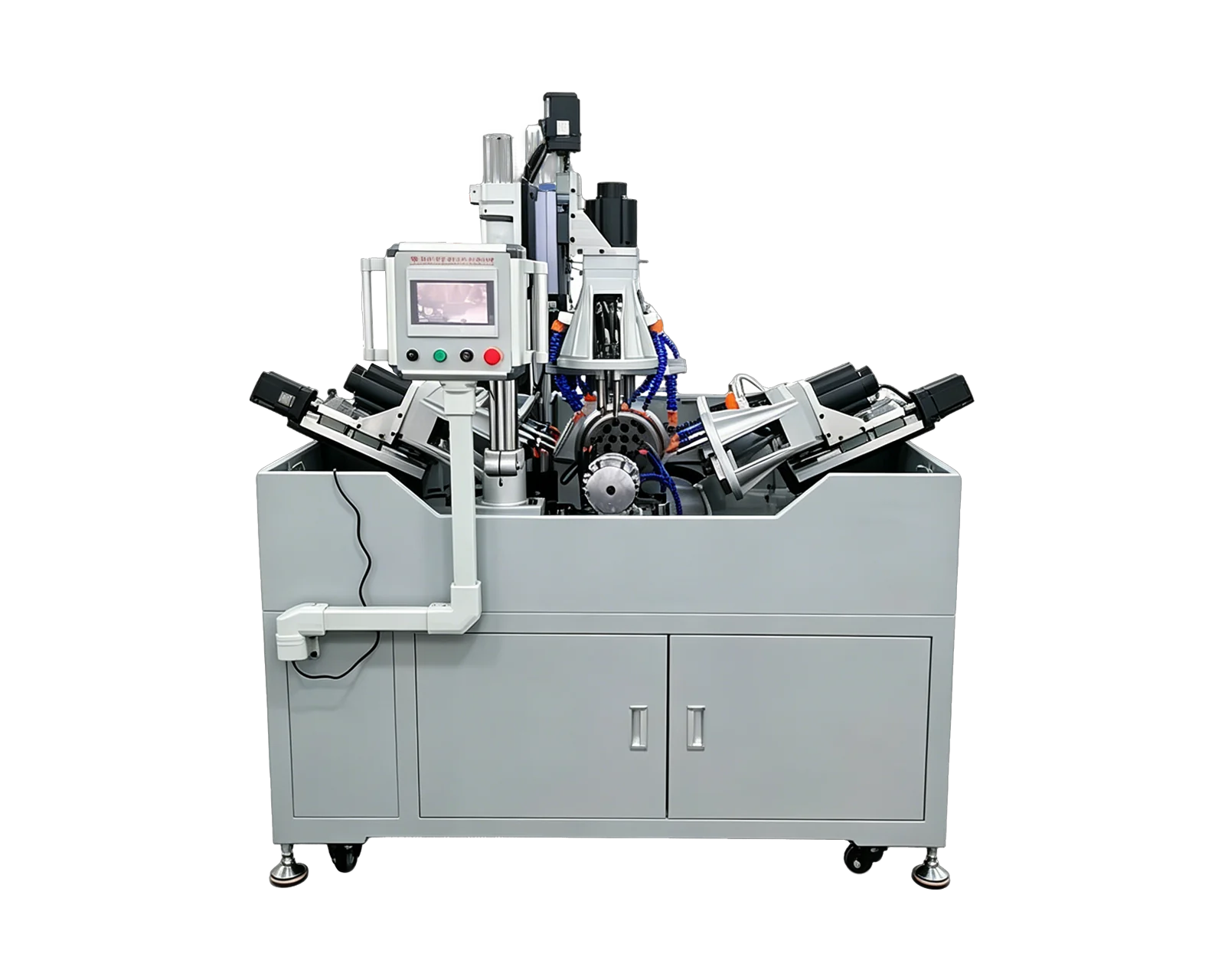
Explore equipment for your inquiry
Dual-Servo Multi-Spindle Drilling & Tapping Machine →Review the published specifications and configuration options against your part drawing before requesting a quote.
Describe the part at the moment it enters this operation
A buyer may call a component hot-rolled steel because that was the original stock, even though its drilling entrance and locating faces have since been milled. Another part may have a machined base but retain the original surface where the drill enters. Those two descriptions lead to different application questions. Send an operation-stage drawing or marked photographs alongside the finished drawing so the proposed supplier sees the actual workpiece.
SSAB's steel glossary distinguishes hot rolling from cold rolling and explains oxide scale and pickling. The relevant purchasing lesson is to identify the supplied surface explicitly rather than infer it from the stock label. A hot-rolled origin does not establish whether the particular surface still carries scale after subsequent preparation. Record the treatment actually performed and the condition accepted by your incoming specification.
Keep material identity separate from preparation history
Request the specified grade, delivery condition and available lot documentation from your material owner. Add heat-treatment and hardness information when it is part of the supplied specification or requested by the tooling reviewer. Do not substitute an informal description such as mild steel for the material identification used to select the process.
Sandvik Coromant's material guidance treats manufacturing process, heat treatment and hardness as inputs to material classification and tooling selection. This supports asking for the actual condition; it does not establish cutting settings for your part. A bright appearance, a smooth face or a history of machining does not by itself prove that two batches should use the same tooling assessment.
Build a surface-by-surface preparation map
Use this original template to connect the steel supply route to the equipment boundary. Assign your own drawing face identifiers. One component may need several rows because the locating face, drill entrance and thread region do not share the same preparation history. The table is a quotation aid, not a surface acceptance standard.
Make comparisons on the supplied route
Consider a hypothetical part offered through two supply routes. Route A delivers a blank with prepared reference faces and no holes. Route B delivers a blank with a reference face and an existing hole. A quotation for drilling and tapping Route A cannot be compared directly with a tapping-only quotation for Route B. List the external preparation and its inspection beside each equipment price.
If you want one purchase to cover both, label both routes in the trial request. Keep samples identifiable throughout inspection and state which results belong to each. A successful trial on a specially prepared sample should not silently broaden the offered scope to an unprepared production blank. Agree any missing review or additional operation before treating the comparison as complete.
Ask for a bounded response
Ask the supplier to return a marked starting-state description with the proposal. It should identify buyer-supplied preparation, included operations, representative stock and unresolved tooling questions. If incoming information is missing, make that an open input with an owner rather than filling the gap with an assumed material condition.
For a BINSING review, send the grade documentation, operation-stage images, finished drawing and current production route. A standard platform or custom arrangement can then be discussed against the same scope. The catalog photograph is an equipment reference, not evidence that an unspecified carbon-steel application or every delivery condition has been validated.