Explore equipment for your inquiry
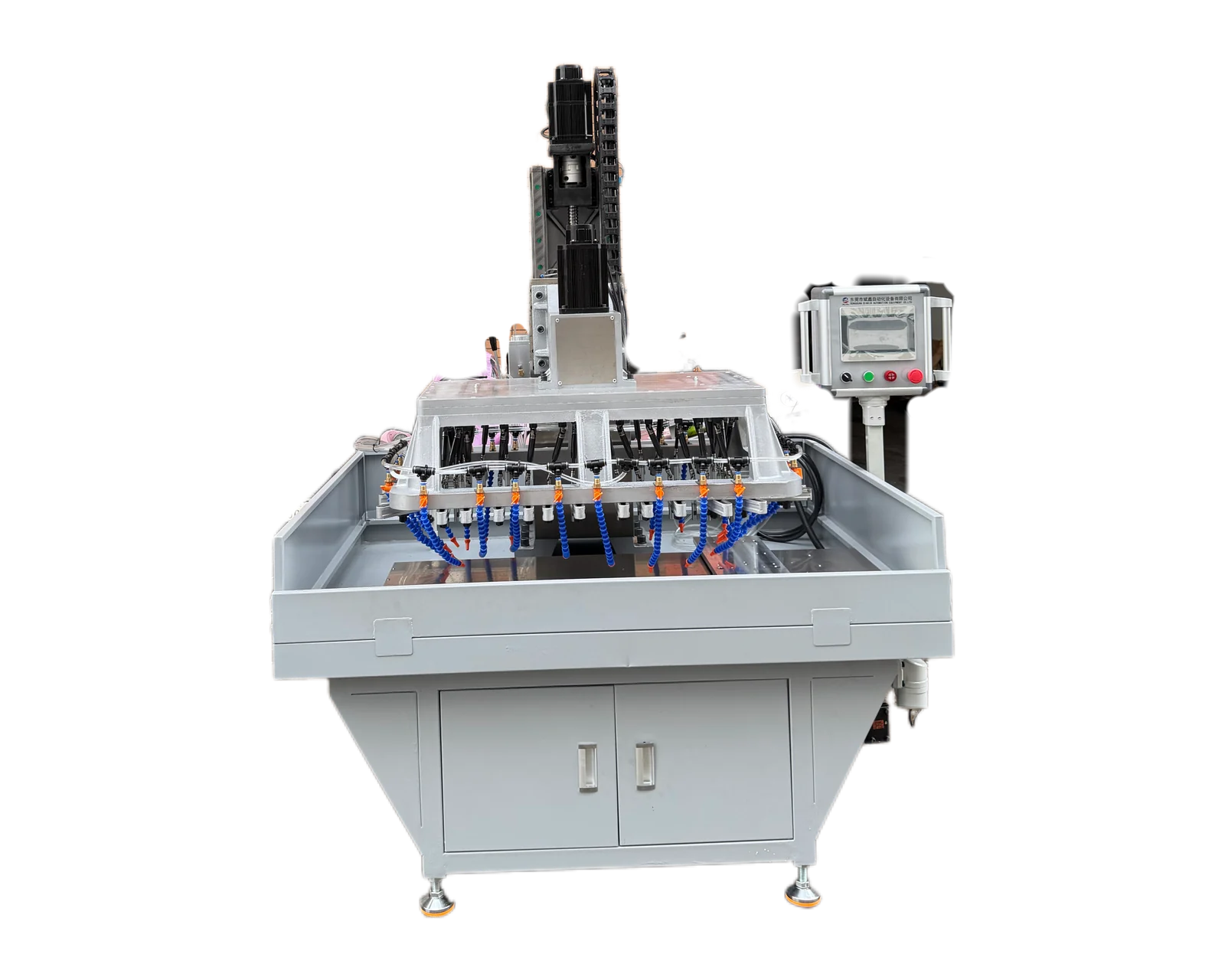
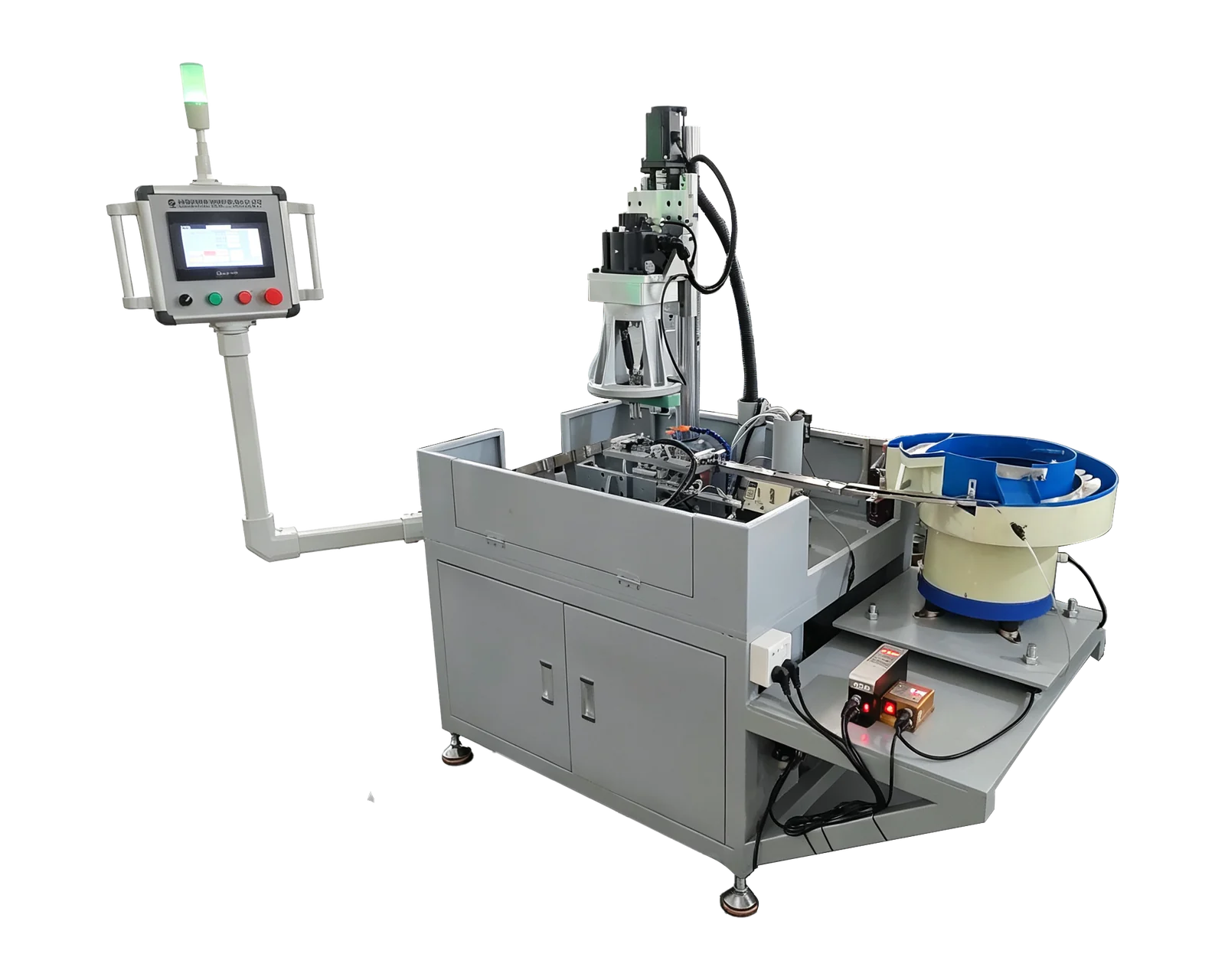
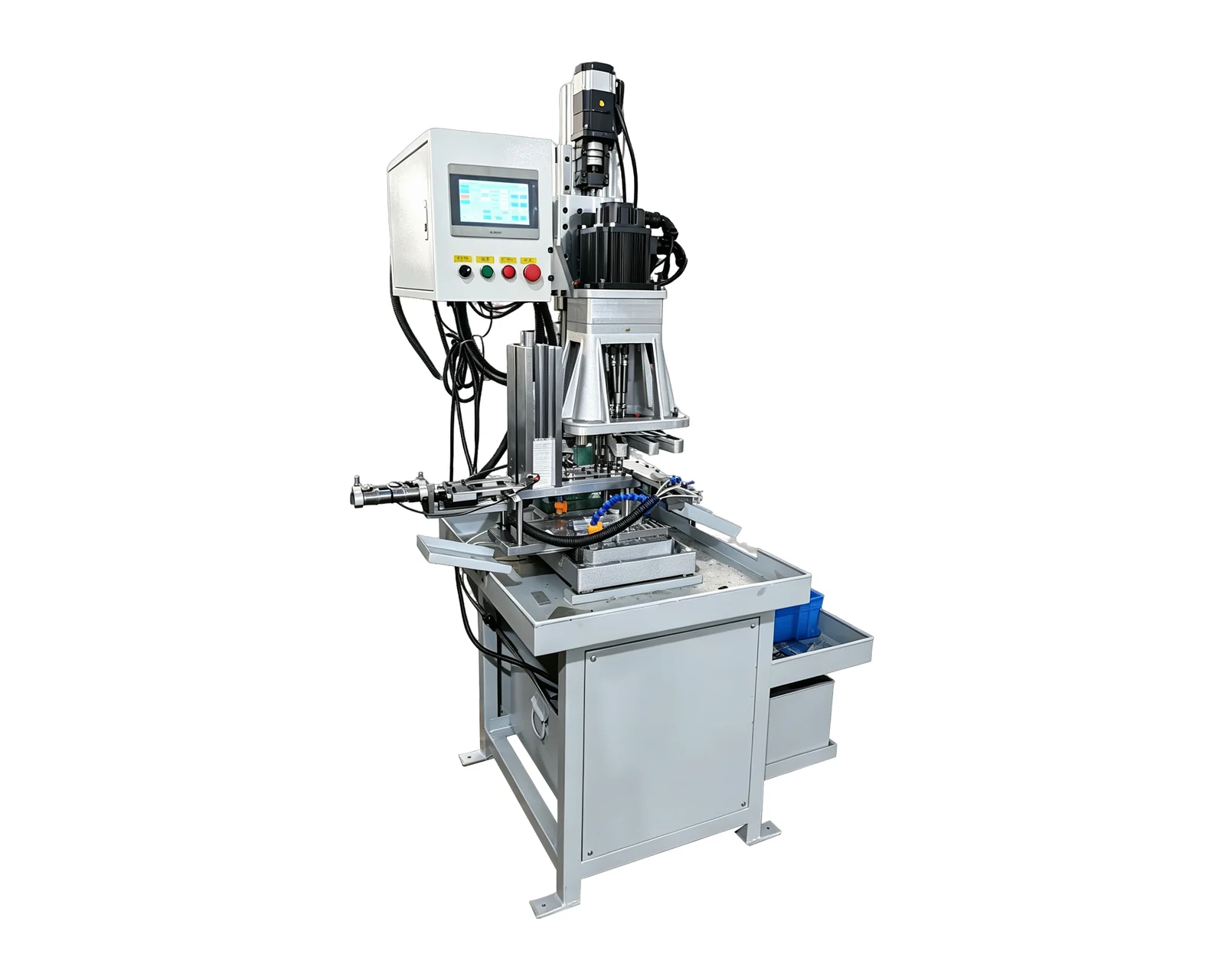
Dual-Servo Multi-Spindle Drilling & Tapping Machine →Review the published specifications and configuration options against your part drawing before requesting a quote.
Recover the material basis behind the existing proposal
Start with the documents used when the machine was quoted: drawing revision, material designation, referenced specification and stated incoming condition. If the original inquiry said only steel or aluminum, record that limitation. A quotation cannot be meaningfully compared with a new requirement until both parties know whether the earlier material description was confirmed or merely provisional.
Keep the material information separate from the geometric drawing revision. A buyer may retain the same dimensions while changing the purchase specification for the blank. Link that purchasing document to the part record. This prevents a familiar drawing number from concealing a change that the equipment supplier has never reviewed.
Compare supplied evidence in separate columns
Use the following register to assemble evidence, not to predict machining behavior. Obtain missing facts from the responsible material or quality team. Where records use different naming systems, ask that team to establish the relationship; an apparent similarity between grade names should not be treated as an approved equivalence.
Decide whether the new material replaces or adds to the scope
A permanent replacement and an additional purchasing option create different questions. For a replacement, state whether previously supplied material remains in stock and whether it still needs coverage. For an alternative, explain how the two conditions will be identified in production and whether mixed purchasing is anticipated. Ask the supplier to state which configurations and conditions its response covers.
For example, a hypothetical buyer has existing blanks identified as condition A and proposes future purchases under condition B. The buyer should request separate responses for remaining A stock and incoming B stock. Calling the requirement the same component does not answer whether both are included, or whether the proposed verification evidence applies to only one.
Make unresolved implications visible in the response
Ask which parts of the earlier proposal remain confirmed, require review or cannot yet be confirmed from the supplied records. Relevant scope headings include the selected tooling, workholding arrangement, trial evidence, quoted output basis and acceptance references. These are review questions rather than a claim that every material change alters each item. The responsible technical team should determine the actual implications.
If further samples are requested, identify which supply condition they represent and how their records will accompany them. Keep observations from those samples linked to their identities. Do not extend a result to all future material described by a broad trade name, or quietly replace the old quotation attachment with a new document that has not been acknowledged.
Carry the reviewed coverage into the purchase record
The final response should identify its evidence basis, the conditions covered and any remaining limitations. Retain the previous quotation reference so purchasing can understand what changed. If the buyer needs both material conditions, check that both appear in the agreed scope rather than relying on an email subject line or an informal conversation about flexibility.
For a BINSING inquiry, email the existing quotation reference, original material information, proposed supply documentation and current part drawing. Explain whether you are replacing the original requirement or requesting an additional option. This supports a focused review and makes it easier to distinguish confirmed coverage from items awaiting evidence before an order decision.