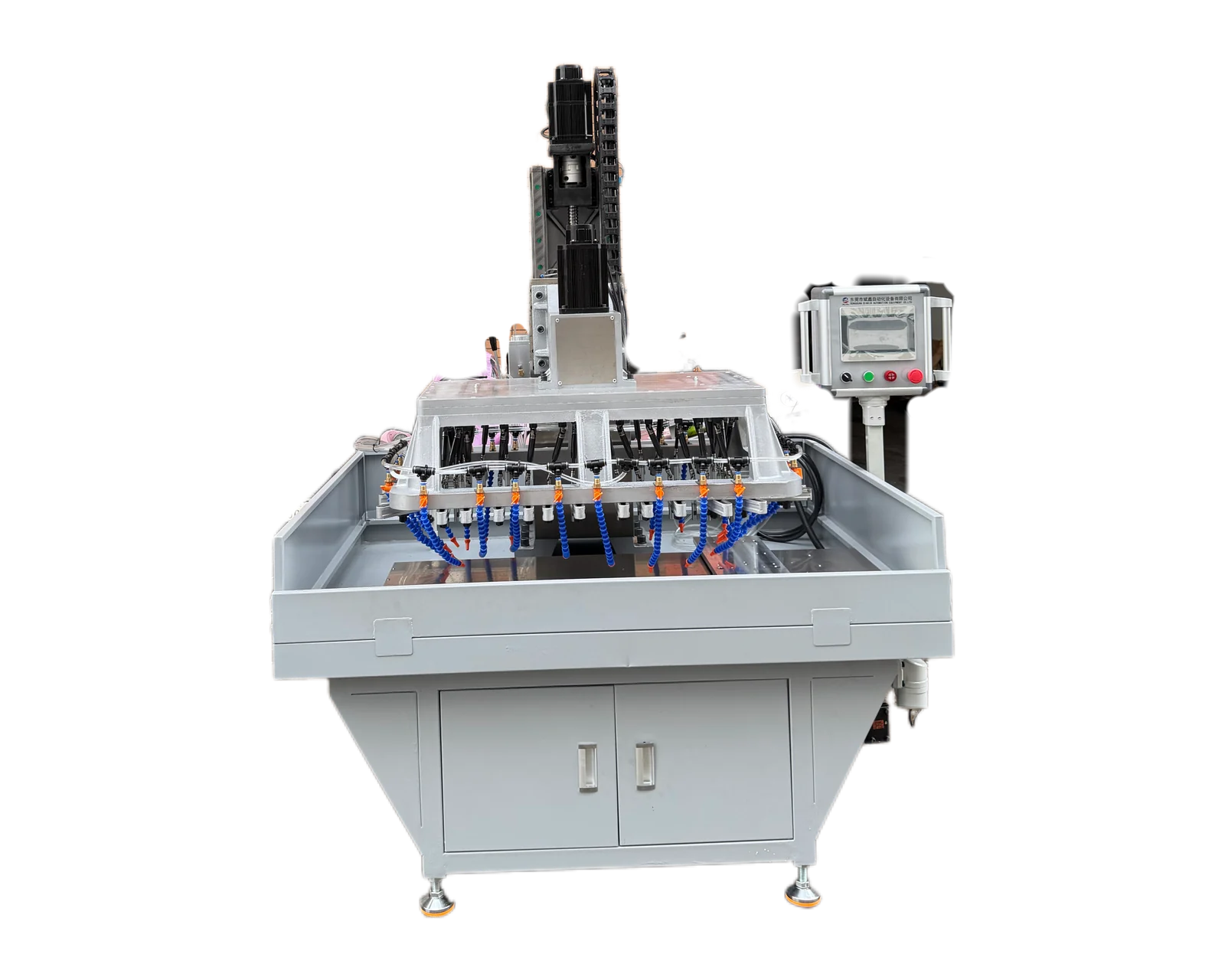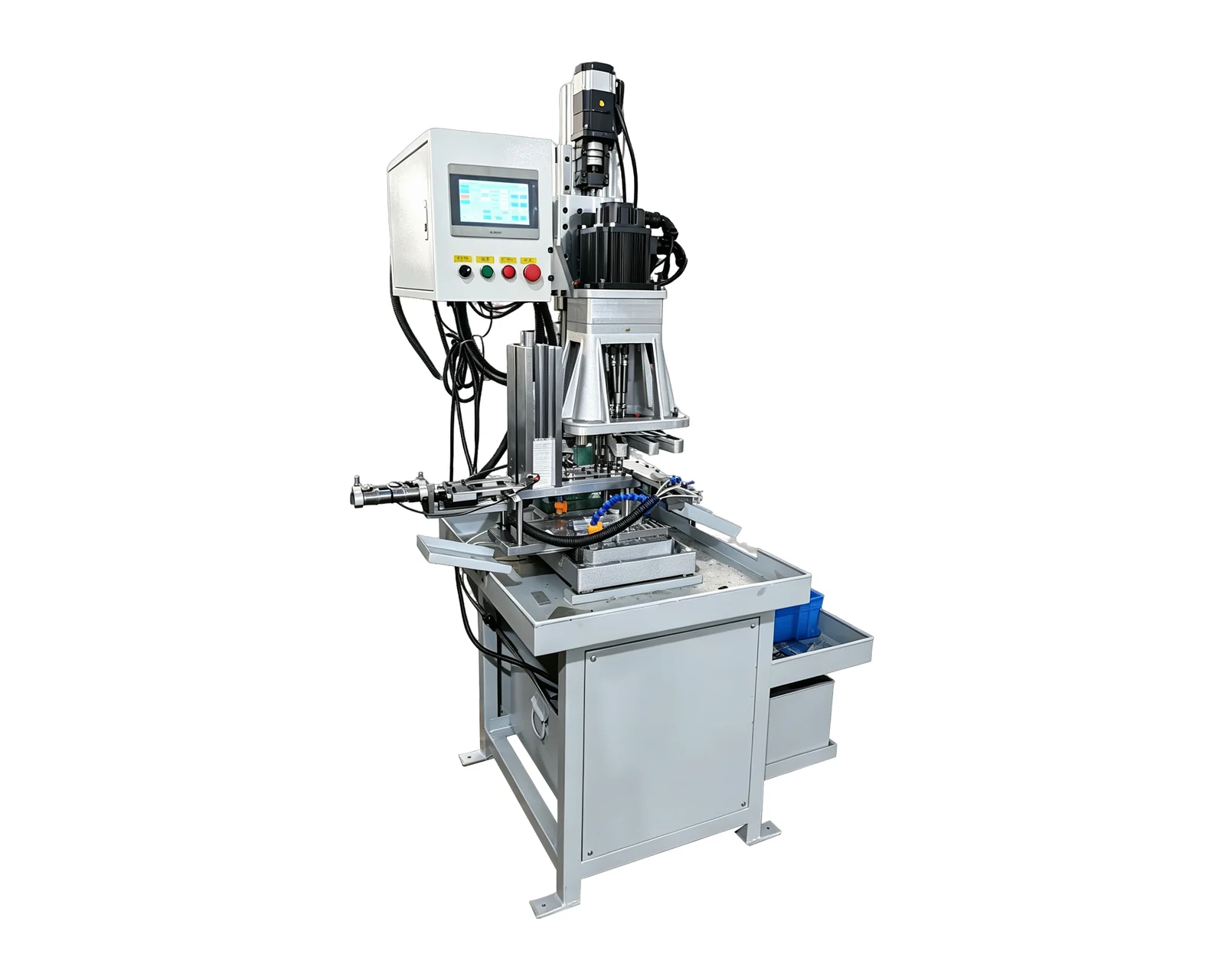
Explore equipment for your inquiry
Automatic Feeding & Tapping →Review the layout options and required part information to define the scope of a custom equipment inquiry.
Separate lot mixing from component mixing
The phrase mixed batch can describe several different conditions. Two lots may share the same controlled part and material requirement, while two visually similar pieces may belong to different drawing revisions. State which condition is expected and which is prohibited by your production process. The equipment inquiry needs these distinctions before anyone promises to receive a generic bin of parts.
Include the incoming manufacturing stage. Unprocessed blanks, partially completed components and released finished parts should not be treated as a single input category merely because their outlines match. Ask your production and quality teams to define the permitted combinations. Their decision becomes an input requirement for the equipment review, rather than an assumption the machine supplier must discover later.
Create a container-content rule for each combination
The following matrix is a planning example. Replace its categories with those used by your factory and assign an owner to each answer. This is not a prescription to combine or separate any particular material; it records the approved incoming conditions and the evidence used to establish them at the agreed handover boundary.
Describe what happens when leftover stock is combined
Suppose, hypothetically, an upstream team combines the remainder of two containers to clear storage space. Both labels use the same commercial component name, but one refers to revision A and the other to revision B. A machine inquiry saying parts arrive in labeled bins has not explained this case. The buyer must first define whether such a combination is permitted and who establishes its contents.
If the required outcome is version separation before machining, state where that responsibility belongs. Do not assume that an automatic feeder recognizes drawing revisions or that a part-presence check verifies material identity. Any requested identification or separation function needs its own confirmed scope and evidence; it is not automatically included with a feeding mechanism.
Define the incoming information handover
Specify what accompanies a container: component identity, revision, lot information where required, incoming process status and the person or system responsible for those records. State whether a partially used container retains its identity when returned to storage. Keep the requirement practical enough that the receiving team can establish what input condition the supplier's proposal assumes.
This discussion differs from designing a complete traceability system. The immediate question is what the machine is entitled to receive at its boundary. If information must pass into another system, identify that interface separately. A container-level declaration may support an agreed process, but it should not be described as individual verification unless the purchased scope actually provides that evidence.
Use representative input cases in the scope review
Prepare a short list of normal, permitted mixed and unresolved input cases. Ask the supplier to identify which cases its proposal covers and which remain the buyer's responsibility before loading. If sample containers are provided for review, label their contents and explain whether they represent routine production or a deliberately selected exception. Do not generalize from one carefully sorted sample to an undefined production stream.
For a BINSING inquiry, email the container-content matrix, part drawings and current incoming identification process. Explain whether you want only machining of a defined input or an additional handling and identification discussion. A clear boundary helps compare a standard machine with a wider automation proposal and makes any additional requested functions visible in the quotation.