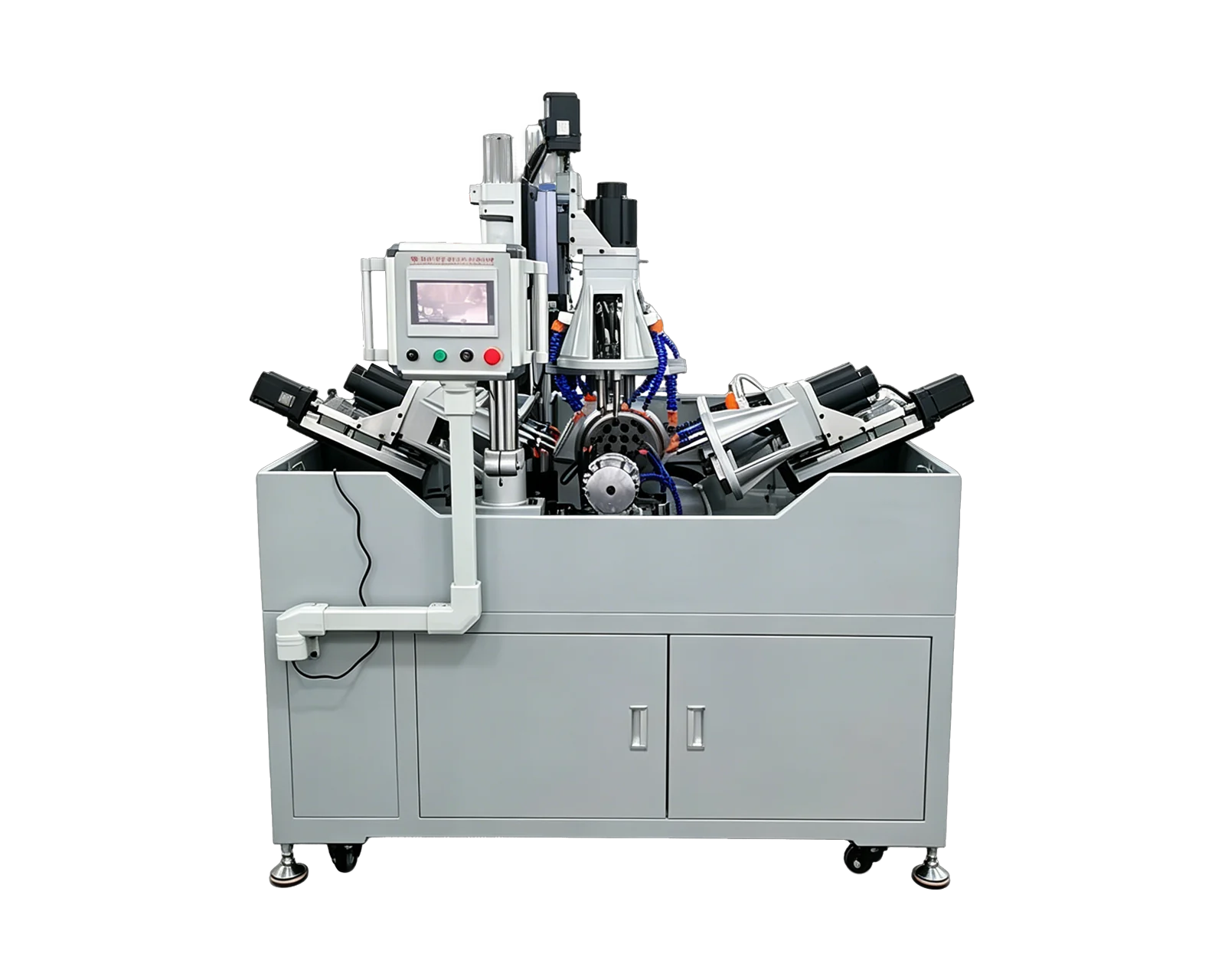
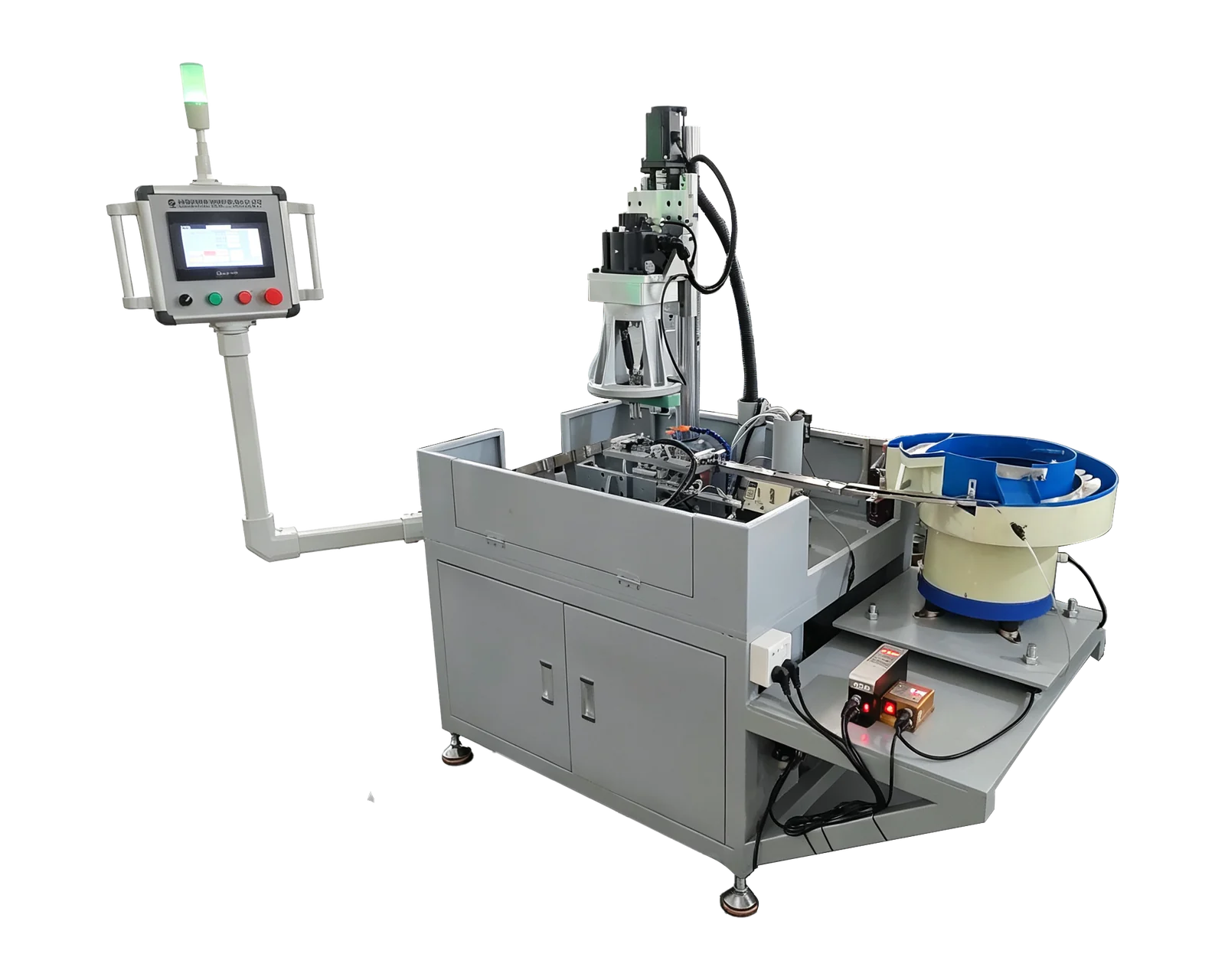
Explore equipment for your inquiry
Servo Traverse Multi-Spindle Drilling & Tapping Machine →Review the published specifications and configuration options against your part drawing before requesting a quote.
Define the part at the stage the machine will receive it
Identify the manufacturing steps completed before the proposed operation and the drawing or process document governing that incoming state. A finished-part drawing may not describe an unfinished locating surface, casting condition or previously prepared hole. Ask the responsible engineering team to identify the applicable requirements rather than deriving an incoming specification from the final assembly requirement alone.
Keep the discussion focused on variation within an identified component and process stage. Material-grade changes and mixed part identities need their own reviews. Describe the observed range for the approved version and features relevant to locating, holding, access or preparation.
Separate drawing requirements from measured observations
Use a feature register to connect the incoming evidence with the machine discussion. These fields describe a review package. Have the responsible quality team define suitable measurement methods and sampling. Where requirements or observations are missing, keep those gaps visible instead of replacing them with an assumed nominal value.
Explain what a convenient sample does not represent
In a hypothetical project, the buyer sends several parts selected from one recently produced container. Their measurements are closely grouped. That evidence describes those parts, but does not demonstrate the range across earlier batches, different upstream setups or all permitted drawing conditions. Describe the selection process and avoid labeling the sample representative without the responsible team's basis for doing so.
If retained samples or measurement records show other permitted conditions, identify them in the register and ask which are needed for the equipment review. Keep each physical sample linked to its recorded observations. A supplier examining an unlabeled collection cannot reliably connect an unusual surface or dimension to the correct batch, process stage or measurement record.
Ask how the proposed arrangement addresses the stated range
Send the register with marked drawings and request a response identifying the incoming conditions included in the review. Ask which features affect the proposed locating and holding arrangement, access to the required operations or the need for upstream preparation. These are questions for application engineering; the buyer should not prescribe a workaround based only on a successful trial with one convenient part.
Keep nonconforming observations separate from the permitted production envelope. If a recorded part falls outside its applicable requirement, route it through your existing quality process and disclose its status if used for investigation. Processing such a sample does not authorize a broader incoming limit, and equipment selection does not replace the drawing owner's control of component requirements.
Carry the reviewed incoming condition into the quotation
Record the incoming envelope and evidence revisions referenced by the quotation. Identify outstanding sample coverage, agreed trial conditions and responsibility for resolving gaps. When the upstream process changes, compare the new incoming condition with that baseline and request review where needed. This preserves the difference between the equipment scope originally assessed and a later production condition.
For a BINSING inquiry, email the controlled requirements, marked incoming features, measurement summary and available sample identities. Request confirmation of what can be assessed from that package and what further evidence is needed. The aim is a defined application review using real incoming evidence, with any configuration capability or trial outcome confirmed for the proposed machine rather than assumed from its catalog category.