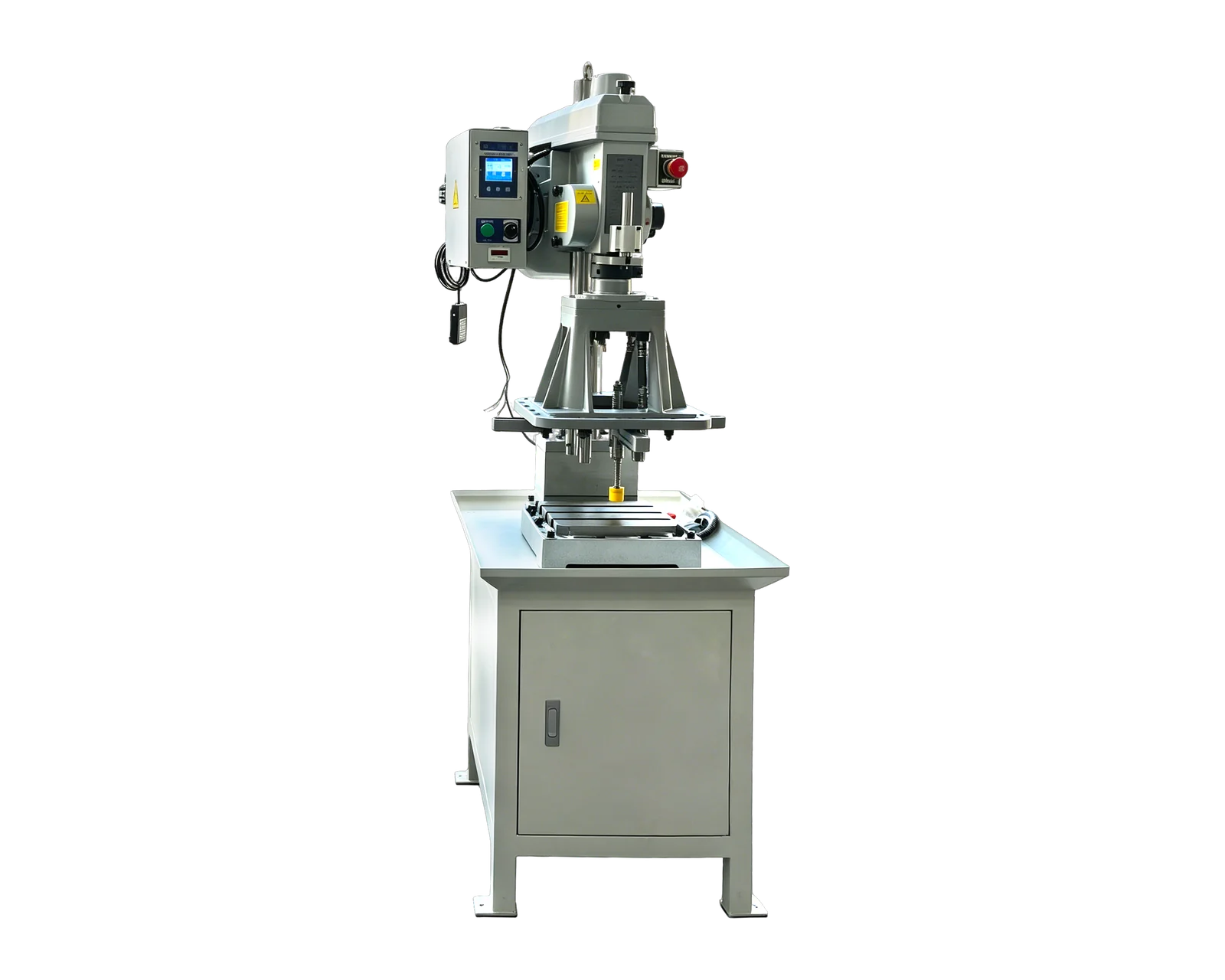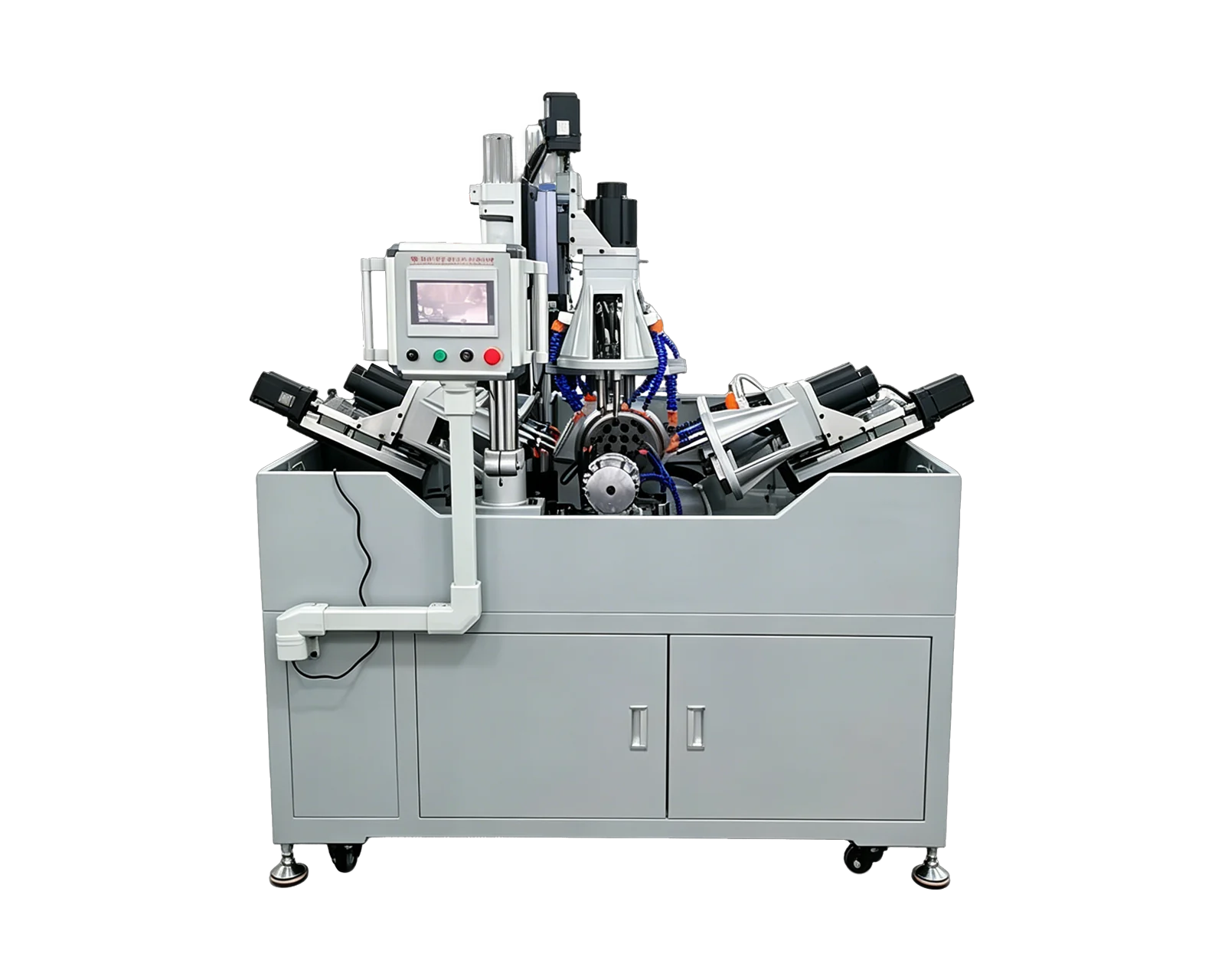
Explore equipment for your inquiry
Multi-Side Drilling & Tapping →Review the layout options and required part information to define the scope of a custom equipment inquiry.
1. Send the casting condition and finished drawing together
Identify which features are already present when the casting reaches the machine. A hole shown on the finished drawing may begin as a cast opening, a prepared hole or solid material. Distinguish these conditions explicitly and list upstream machining or cleaning. The supplier should not need to infer the starting point from a photograph of a completed component.
Supply the specified material and relevant incoming inspection information available from your own process. If blanks come from several sources or revisions, identify them separately. Do not assume identical finished drawings mean identical incoming parts. Record which source and condition a quotation covers, and flag missing information for engineering review rather than replacing it with an unsupported material assumption.
2. Connect blank variation to the fixture review
Mark the surfaces proposed for location and indicate whether each is cast or machined. Provide measured ranges or documented incoming limits where available. Ask the supplier which features require additional definition before confirming the fixture. This keeps the discussion focused on an agreed blank envelope instead of a broad promise to process castings.
3. Use different blank sources to test the assumptions
Hypothetical purchasing scenario: a buyer supplies housings from two casting sources under one finished part number. The samples selected for the machine review all come from the first source. The second source uses a different external rib profile within the buyer's incoming specification. The fixture and loading concept therefore need review against both sources before the quotation is described as covering the complete supply stream.
The useful response is a documented coverage decision: both conditions are included, one requires a change item, or the incoming specification must be narrowed. This example is not a claim about any BINSING installation. It illustrates why a single approved sample should be tied to the incoming population it represents rather than silently becoming a universal reference.
4. Separate machining scope from blank acceptance
Name the incoming checks performed by the buyer and any checks proposed within the equipment. Ask how nonconforming or uncertain blanks are identified and kept out of accepted output. Where the finished component has requirements beyond the machined features, clarify which are evaluated separately. A drilling and tapping quotation should not be interpreted as an unstated guarantee of the underlying casting quality.
List external preparation, cleaning and inspection alongside the included operations. If a supplier assumes a machined locating surface, establish who produces it and whether that work is included in the comparison. Likewise, distinguish machining-chip removal from the condition in which blanks must arrive. Clear boundaries make it possible to compare a standard platform and a multi-side solution without overlooking upstream work.
5. Tie trial evidence to documented incoming conditions
Agree representative trial samples based on the sources and variations that affect location, access or process coverage. Record their identity, starting condition and drawing revision. Keep incoming inspection observations separate from finished feature results. The trial should answer whether the offered arrangement covers the named blanks; broader production claims require their own agreed evidence and conditions.
For a BINSING review, send both the finished drawing and annotated blank photographs or drawings, plus a concise preparation list. Request a response that names the covered part conditions, fixture assumptions and remaining questions. This gives purchasing a concrete basis for discussing equipment, tooling and any additional engineering without treating every unfinished casting as the same application.