
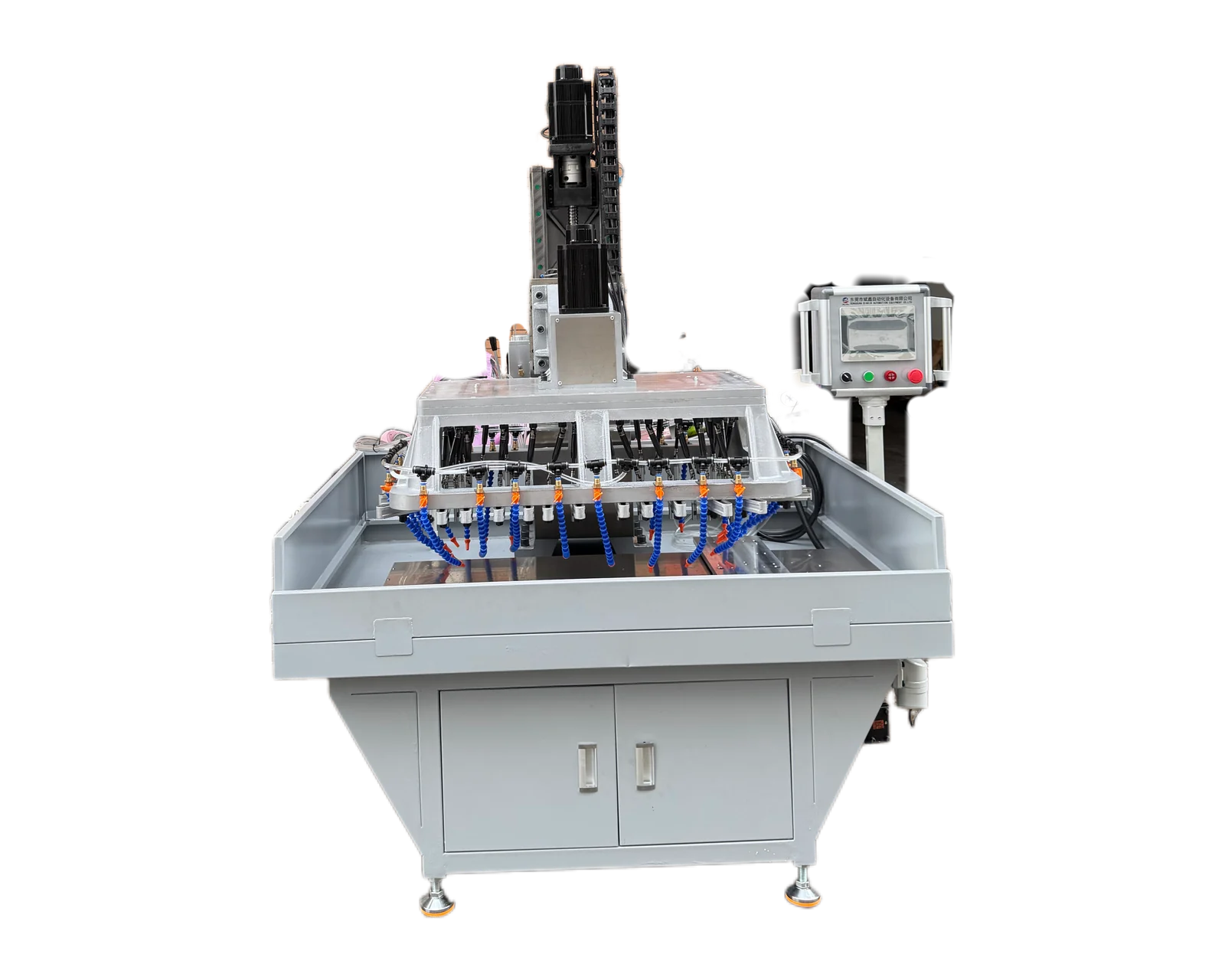
Explore equipment for your inquiry
Servo Traverse Multi-Spindle Drilling & Tapping Machine →Review the published specifications and configuration options against your part drawing before requesting a quote.
Decide which evidence needs a physical reference
A trial report can document what happened without explaining where the remaining parts are. Before sending samples, identify whether your team needs an untouched incoming reference, representative processed pieces or specific pieces linked to measurements. State the reason for each requested retained group so its identity and condition remain meaningful during a later technical review.
Ask the intended holder whether the proposed arrangement is available and what conditions apply. Define the expected retention period or review date, permitted handling and person authorized to issue the next instruction. This is a proposed project record, not a promise that BINSING or another supplier offers storage, preservation, return shipping or disposal as a standard service.
Use a disposition register alongside the trial report
The register tracks physical articles; the trial report tracks operations and results. Link the two with sample identifiers, but keep their purposes distinct. A grouped quantity can be useful for interchangeable pieces, while a piece tied to a particular measurement or unresolved observation needs an individual reference that survives handling.
Reconcile changes in condition without losing identity
In a hypothetical trial, the buyer asks for one untouched piece to remain available and later approves examination of a processed piece. The register should show which identified piece was affected and what remains, rather than simply lowering a total labelled samples available. This invented example illustrates recordkeeping and does not describe a BINSING service or trial procedure.
If a piece is relabelled, moved to another container or divided during an approved examination, preserve the connection to its original identifier. Record condition changes that affect its usefulness as a reference. A part retained after processing must not later be presented as evidence of the original incoming condition merely because its packaging still carries the initial shipment label.
Set a review point instead of leaving parts indefinitely
Identify who will review retained pieces and when the next decision is due. If a project pauses, ask the holder to confirm the remaining quantity and condition before relying on those parts for another trial. Confirm any required preservation or packaging arrangements with the responsible parties; do not infer them from a photograph of the original shipment.
Keep return instructions separate from the technical decision to retain a reference. The responsible teams should agree destination details, packaging requirements and transport arrangements before dispatch. Where an examination may consume a piece or change it irreversibly, obtain the agreed instruction before that work and record the result afterward. Silence should not become an assumed disposition instruction.
Close the trial with a physical inventory and an owner
At closeout, reconcile received pieces against unchanged, processed, consumed, returned and still-held quantities. Explain differences rather than forcing every discrepancy into a generic scrap category. Associate unresolved pieces with the relevant technical question and assign someone to decide their next use. Request a record of the agreed action when the parts leave the holder's responsibility.
For a BINSING trial discussion, email the proposed sample groups, identification method and desired disposition alongside the trial objective. Ask which arrangements can be supported and what must be agreed before shipment. This gives both teams a concrete basis for managing physical evidence without confusing possession of a sample with approval of the machining result.
