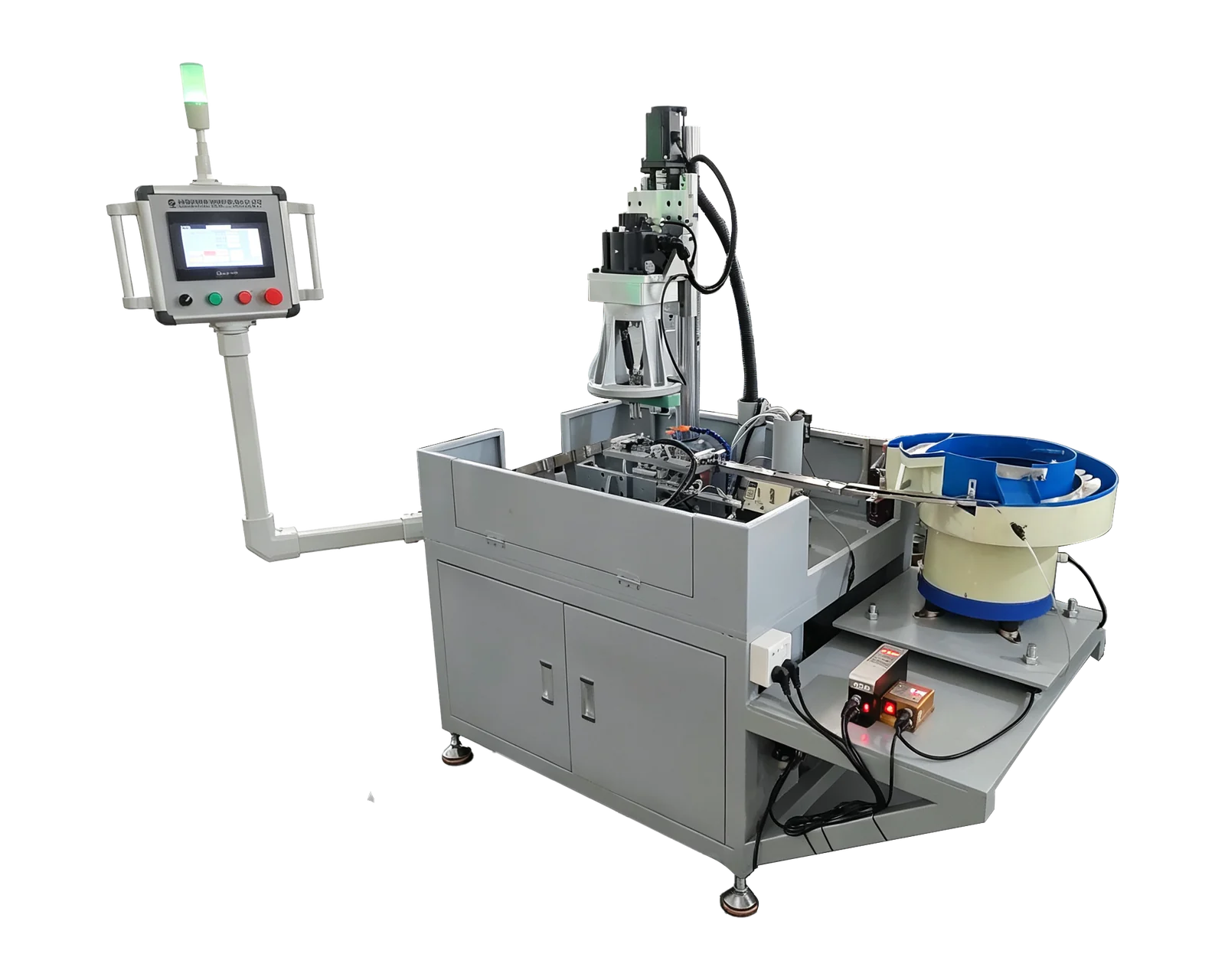
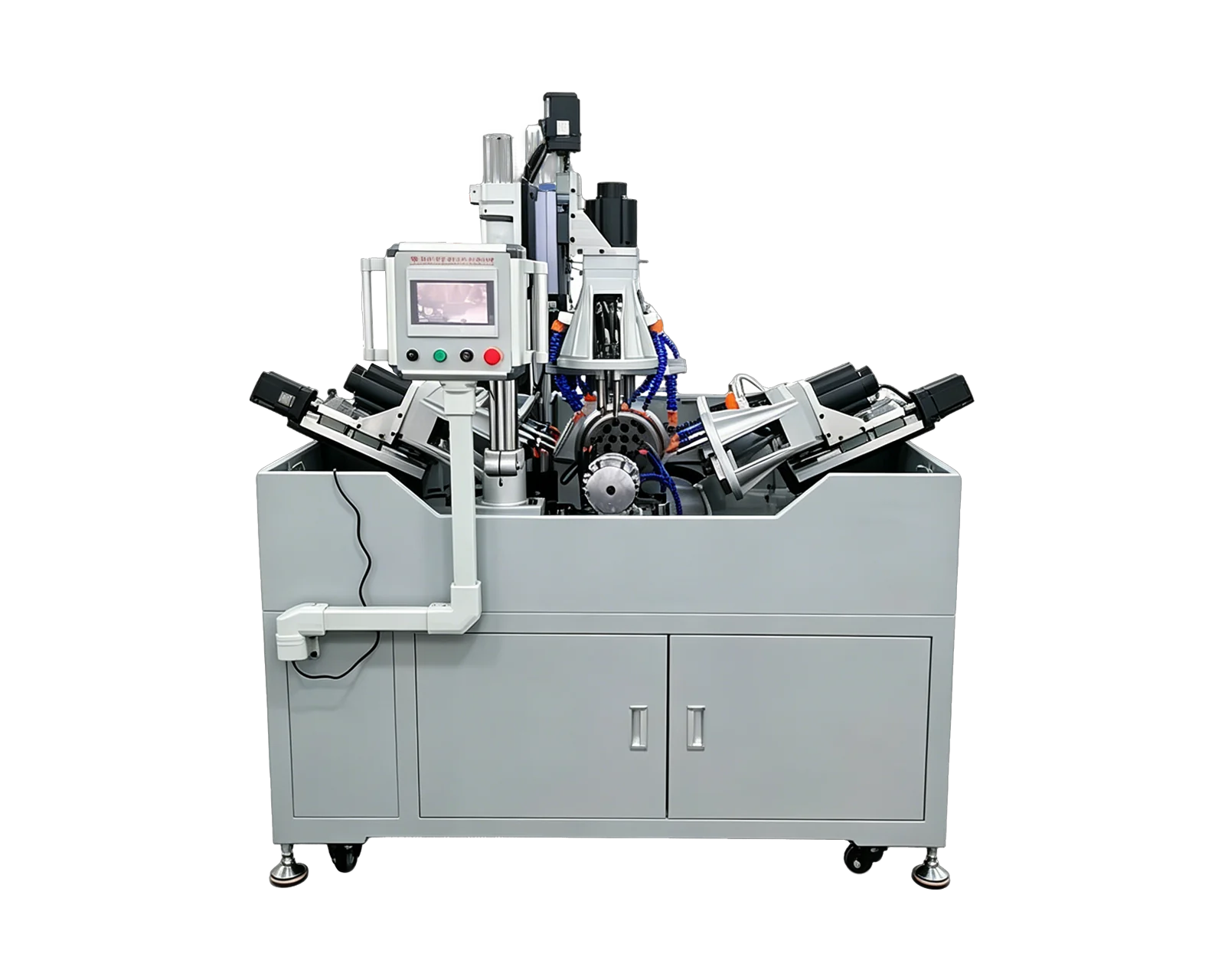
Explore equipment for your inquiry
Dual-Servo Multi-Spindle Drilling & Tapping Machine →Review the published specifications and configuration options against your part drawing before requesting a quote.
Agree what the samples are intended to establish
Ask whether the review needs geometry references, representative incoming blanks, finished comparison pieces or several of these groups. A finished part can communicate the intended result while being unsuitable for demonstrating the proposed machining sequence. Define the purpose of each group and request confirmation of the required quantity.
Identify any limitation before preparing the shipment. The available parts may be prototypes, from an older revision or from a different incoming process. Record the difference and ask which questions those parts can still support. Sending an imperfect but clearly identified sample may help a preliminary discussion; describing it as production-representative without evidence can lead the equipment review in the wrong direction.
Give each sample group a clear identity
Prepare a concise inventory and share it with the recipient before dispatch. Keep the same identifiers on the inventory, associated photographs and sample packaging. Choose an identification method that preserves the features and condition needed for the review, confirming any restrictions with the recipient. The table below provides a practical structure for the information package; it is separate from transport or customs documentation.
Record the condition before the parts leave
Take useful photographs showing the identified groups and features relevant to the review. Note visible damage, protective treatments and differences between pieces. Include available dimensional or material records with their sample references, rather than assuming every document applies to every item.
For example, suppose a hypothetical package contains untreated blanks and coated finished references. Keeping those groups separate helps prevent the finished pieces from being mistaken for the incoming machining condition. The inventory should explain why both groups are included and which group may be used for machining. If a feature must remain untouched for comparison, state that requirement explicitly rather than relying on the appearance of the part.
Coordinate packing and receipt with the actual review
Discuss suitable protection and grouping with the recipient and transport provider, taking account of the features that must arrive intact and identifiable. Provide the receiving team with the inventory and a contact for discrepancies. Confirm the receiving address and named contact through the agreed business communication.
Request acknowledgment of the received groups, quantities and any observed discrepancy. If identification is lost or a piece arrives in an unexpected condition, pause the affected review question until the parties resolve what the sample represents. Record replacement needs and any effect on planned review work. A carrier delivery notification establishes delivery activity; it does not establish that the technical team has confirmed sample suitability.
Settle sample use and disposition in advance
Agree whether machining may consume, modify or damage the samples as part of the requested work. Identify any reference pieces that must be preserved. Record who decides whether additional samples are needed and how that request will be communicated. Keep the resulting sample-use record linked to the original inventory so later photographs or measurements can be traced to the parts actually provided.
Before sending samples to BINSING, email the drawing and proposed inventory for review. Confirm the receiving arrangements, intended use and decisions about retaining or returning used and unused pieces, including who coordinates any return shipment. The separate trial plan should still define what will be demonstrated and how results will be assessed; sending parts alone does not define an acceptance standard.