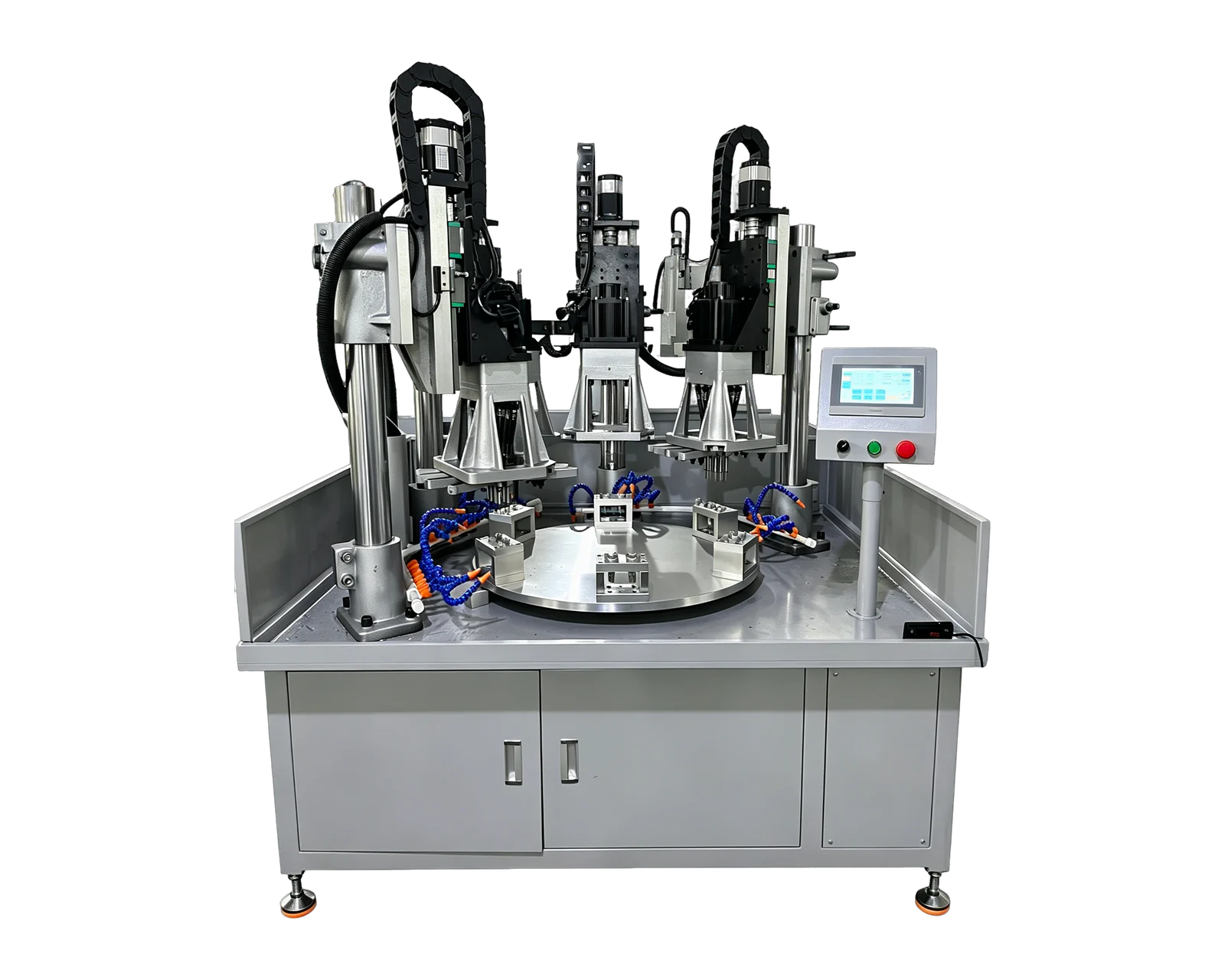
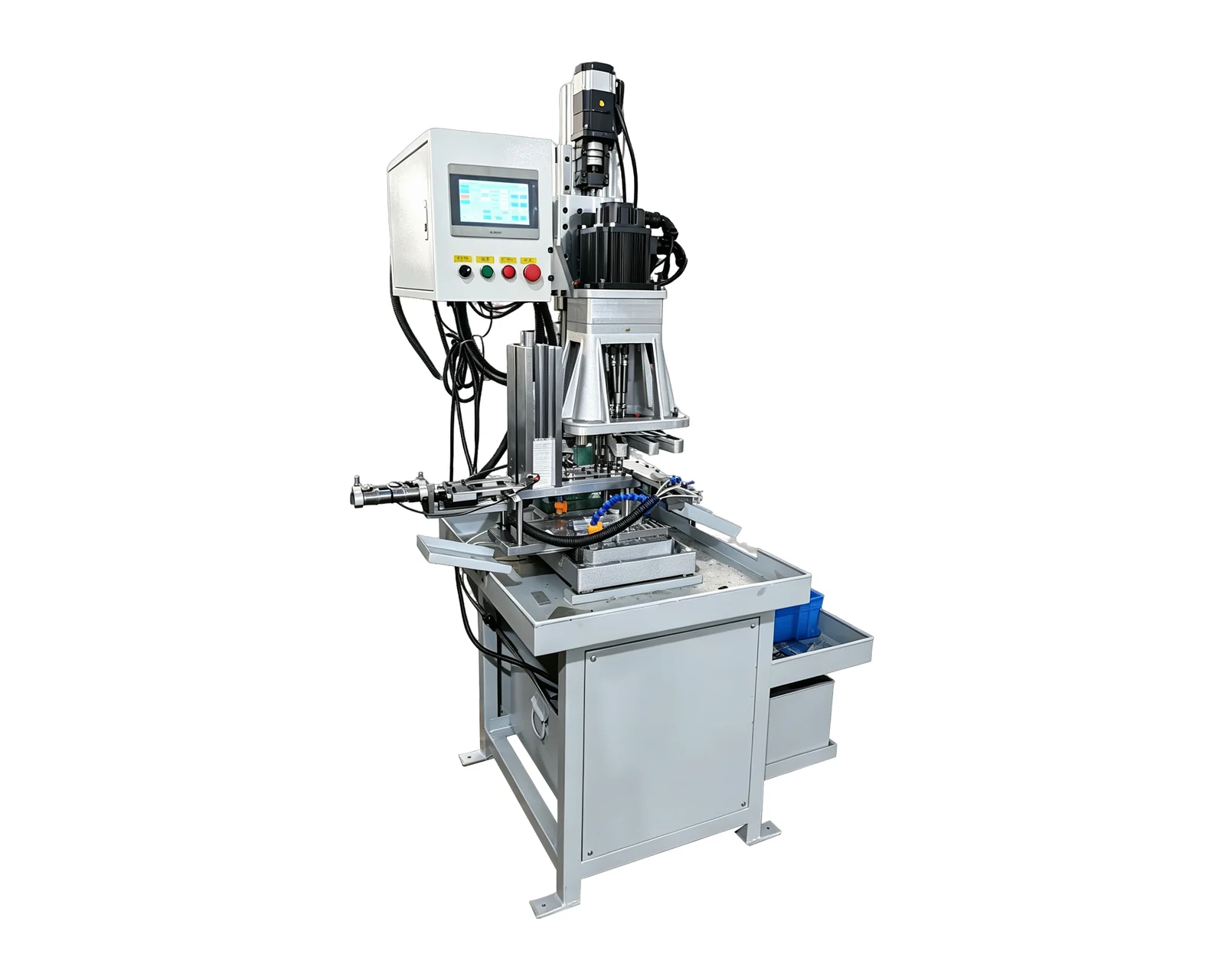
Explore equipment for your inquiry
Dual-Servo Multi-Spindle Drilling & Tapping Machine →Review the published specifications and configuration options against your part drawing before requesting a quote.
State why the present machine is being replaced
Write the purchase objective in terms your team can assess. The project may need to retain an established part range, address a documented output constraint or change the handling boundary. Keep each objective separate and state what evidence supports it. A machine can be old without every part of its process being unsuitable, and a proposed replacement can introduce changes that the existing records do not validate.
Provide the current equipment identity, application drawings and available production records. Identify what the machine actually does within the wider route, including preparation or finishing performed elsewhere. Photos and a process description help explain the arrangement, but avoid relying on appearance to define equivalence. The supplier needs the required outcome and process boundary, not merely a request to copy the visible layout.
Classify each requirement as retained, changed or unresolved
Use a transfer matrix to prevent familiar practices from becoming unspoken assumptions. Record the evidence behind the current condition and ask how the proposal addresses it. An item marked retained is a requirement for review, not proof that it can be carried across unchanged. Keep the supplier's confirmation and any further trial requirement visible beside it.
Preserve useful evidence without extending its conclusion
Current production records can show what has been achieved with a particular part, setup and inspection method. They do not prove that another configuration will achieve the same result. Identify the circumstances behind the records, including material, tooling references and the condition entering the operation. Where a figure is an operator estimate rather than a measured record, label it so the comparison remains honest.
In a hypothetical replacement project, the existing machine produces an established part while a revised drawing adds another threaded feature. The old results remain relevant to the established operation, but they do not validate the new feature or the replacement arrangement. Separate the unchanged requirement from the added work and ask what review or trial is needed for each.
Define the production switch as a separate scope
State the buyer's constraints for moving work from the current equipment to the proposed machine. Identify who coordinates retained production, trial material, inspection availability and release of the new arrangement. Ask which supplier activities are included and which require separate agreement. Do not treat delivery as the same milestone as acceptance or readiness to process the complete part family.
Record dependencies without inventing a transition duration. For example, availability of representative parts, confirmation of a revised drawing or completion of a buyer-side interface may affect the release decision. Assign each dependency to an owner and keep it visible in the project schedule. Any disposition of the existing machine belongs to the buyer's explicit plan rather than an assumed part of the equipment quotation.
Ask for a proposal against the transfer record
Send the same transfer record to each supplier being compared. Ask them to identify coverage, deviations and unresolved requirements against its rows. Compare proposed configurations by their stated production boundary and validation plan. If a proposal changes the handling method or moves an operation outside the machine, make that difference visible before treating it as an equivalent replacement.
For a BINSING discussion, email the current part drawings, equipment photos, process description and available result records. Explain the replacement objective and highlight what must be preserved. Include desired changes separately so they can be assessed without obscuring the established requirement. A clear transfer record gives the inquiry a concrete technical basis while keeping unverified compatibility and performance questions open for review.