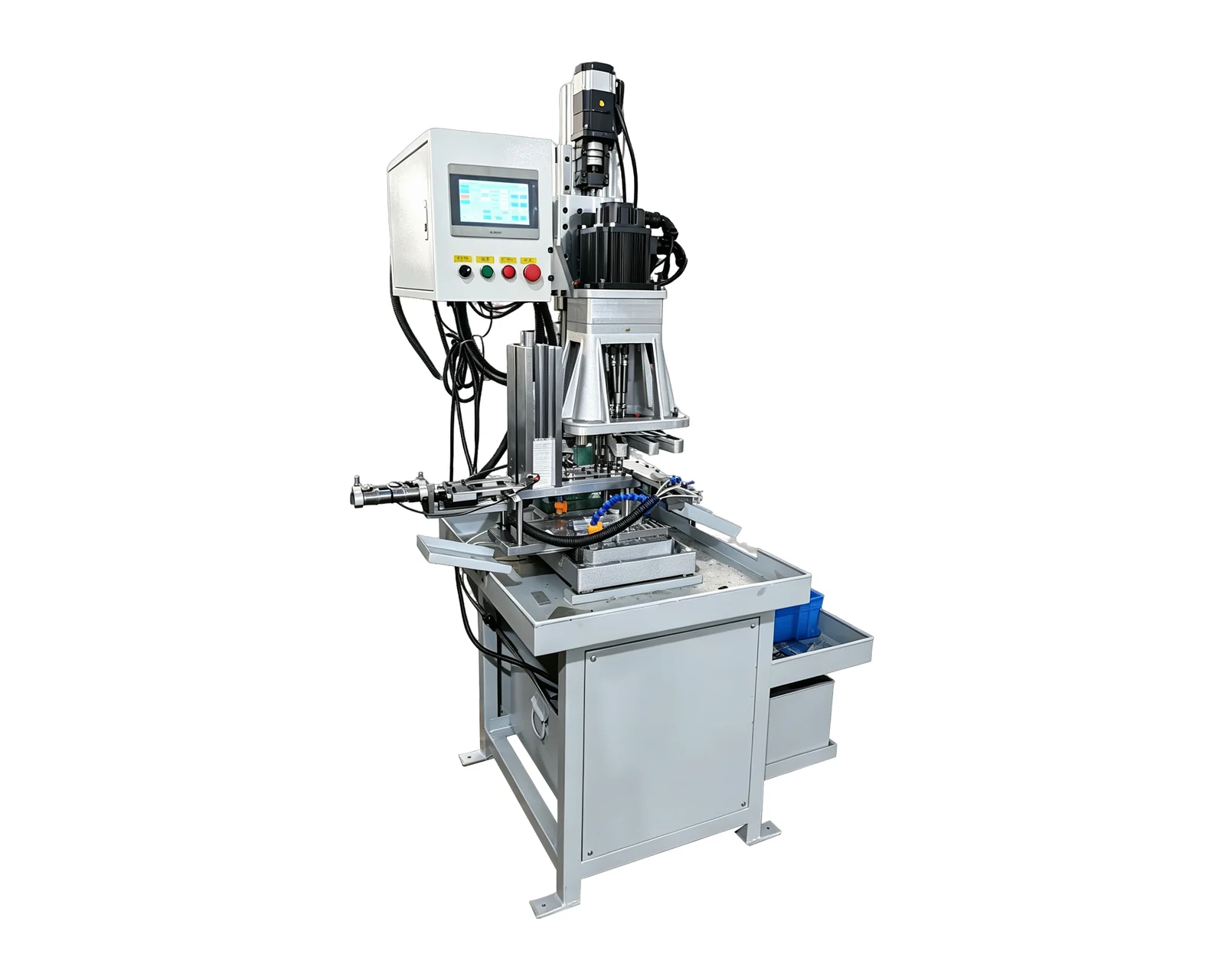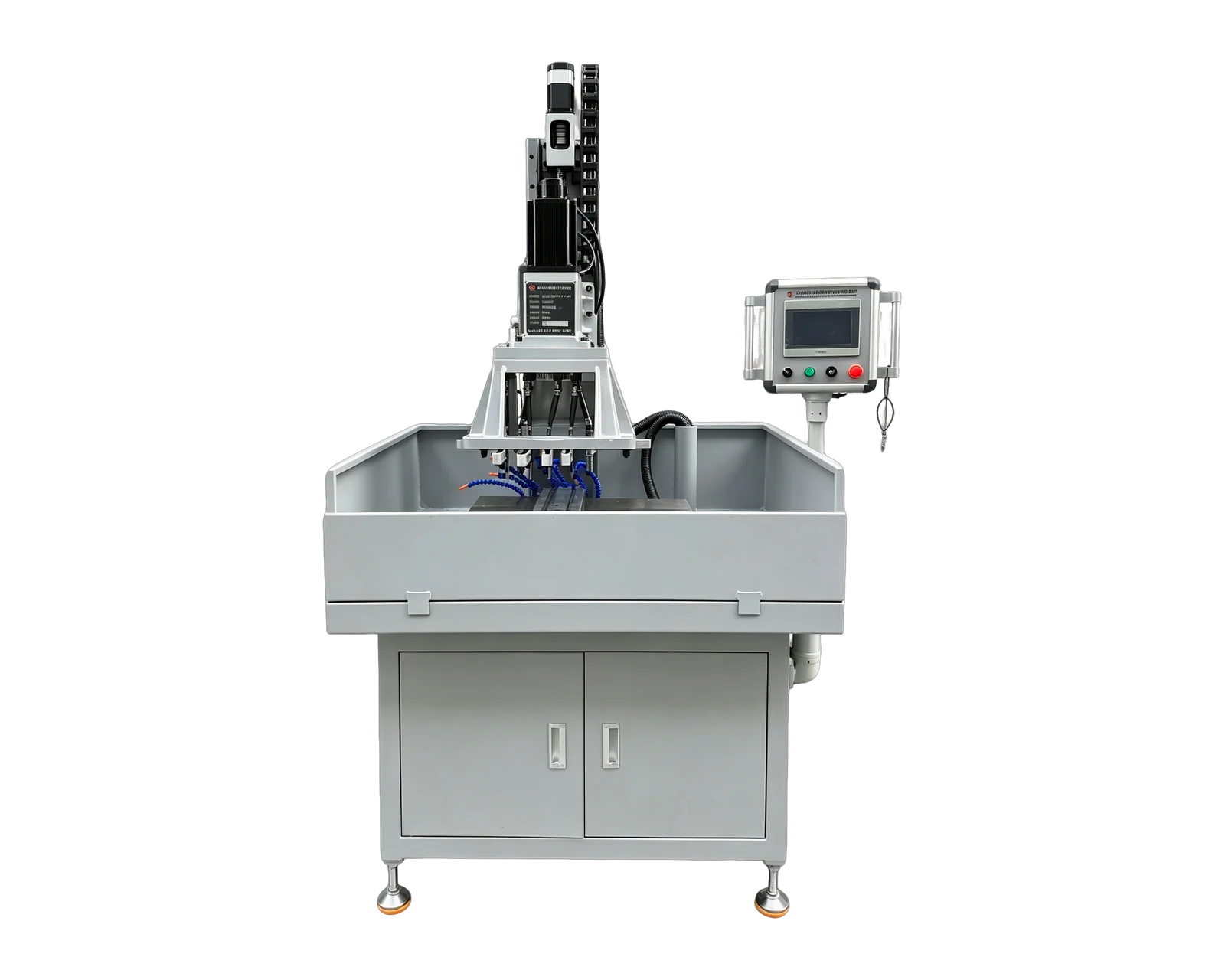
Explore equipment for your inquiry
Dual-Servo Multi-Spindle Drilling & Tapping Machine →Review the published specifications and configuration options against your part drawing before requesting a quote.
Freeze the meaning of the base configuration
An option list is useful only when the base has a clear boundary. Ask the supplier to identify the platform, covered part revision, machining operations, tooling, fixtures and handling arrangement included in the starting price. Identify buyer-provided items and unresolved assumptions alongside that baseline. Otherwise an attractive option price may refer to a base that does not meet the same application requirement.
Use a configuration reference and revision date rather than relying on the quotation total alone. If the supplier changes the base while discussing options, request an updated baseline. Keep the commercial decision connected to the actual part and process. A feature called optional in a brochure may be necessary for your reviewed application, while another may remain a discretionary convenience.
Make each option a decision row
Build a selection table that lets purchasing understand what choosing a row changes. Give each row a stable reference and retain the supplier's wording where it defines the scope. The example below describes decision types rather than actual BINSING package names or prices. Ask the supplier to complete the applicable information for the proposed configuration.
Expose prerequisites before choosing a package
Ask which other selections or buyer provisions each option depends on. An additional function may require a different fixture arrangement, a defined receiving interface or information from another equipment supplier. Keep those dependencies in the same row as the choice. Do not leave them in separate email exchanges where the person approving the price may never see them.
In a hypothetical proposal, an automated handling option replaces a manual loading arrangement but also assumes a buyer-supplied receiving station. The selection table must identify both the removed base items and the receiving boundary. The buyer can then compare complete arrangements. Simply adding the handling price to an unchanged base total would obscure whether duplicated items or missing provisions remain.
Check substitutions and overlapping scope explicitly
Request the commercial treatment for each selected item: an addition, a replacement with a stated adjustment, or an alternative quoted total. Avoid calculating a final price from option labels when the supplier has not confirmed how they combine. Two packages may reference the same fixture, documentation or interface work. Ask whether those references represent shared scope or separate deliverables.
Keep exclusions equally visible. If selecting one arrangement removes a capability or changes which variants are covered, record that consequence beside the choice. Where the buyer defers an option, ask what remains feasible within the currently quoted configuration and what would require a fresh review. A line called future-ready should describe a present deliverable rather than imply unrestricted later upgrades.
Turn selections into one deliverable configuration
Before placing the order, request a consolidated configuration listing selected options, excluded alternatives, included prerequisites and buyer obligations. Link each important function to its agreed delivery evidence, such as a document, an identified assembly or a demonstration objective. State which unresolved decisions prevent the configuration from being finalized and who must close them. Retain the accepted version with the purchase record.
Send BINSING your part drawing and a short distinction between essential requirements and options you want priced separately. Include any buyer-owned equipment that creates a dependency. Request a base-and-options schedule followed by a consolidated selected offer. This allows an early commercial discussion to remain flexible while making the final purchase scope specific enough for production and receiving teams to understand.