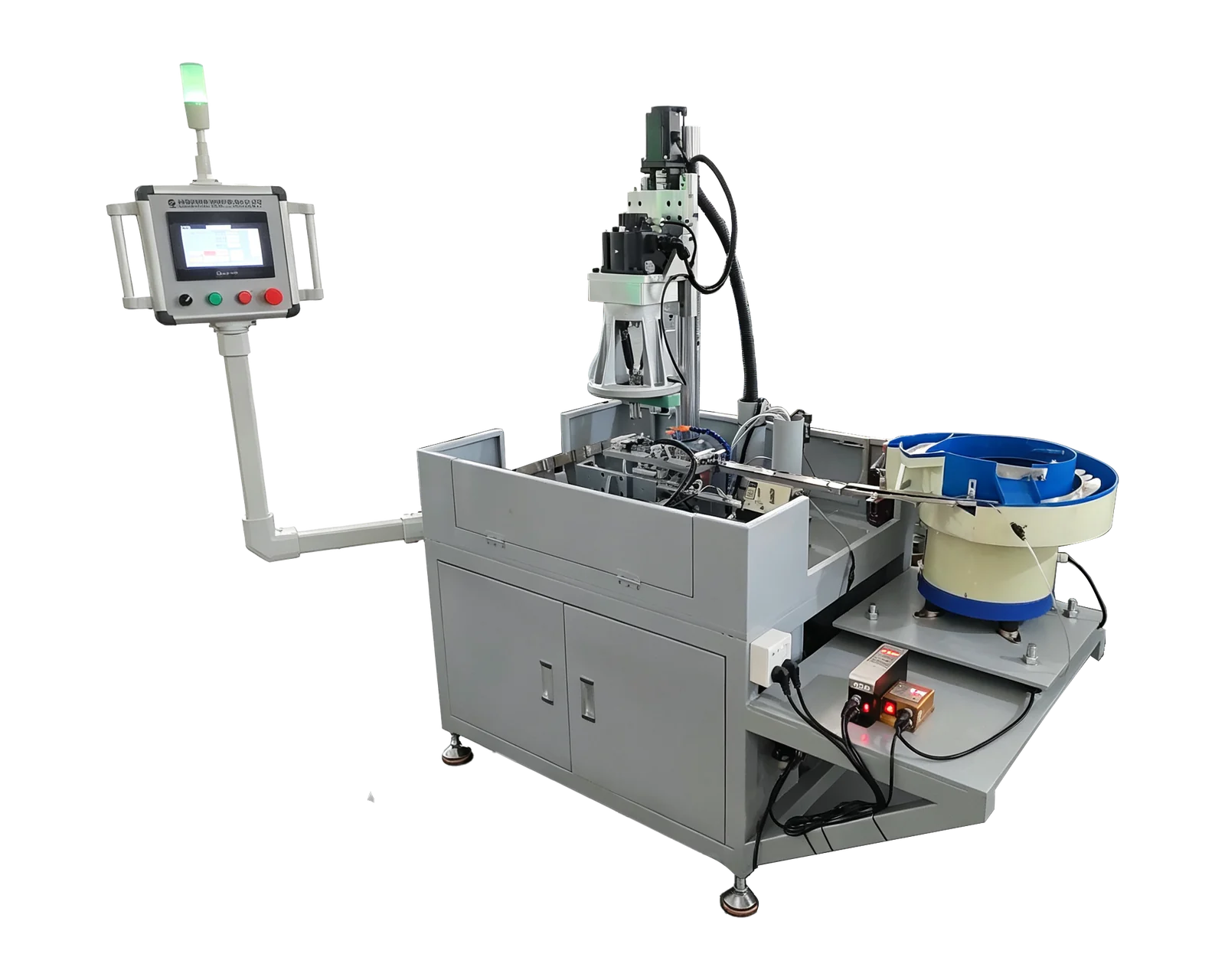
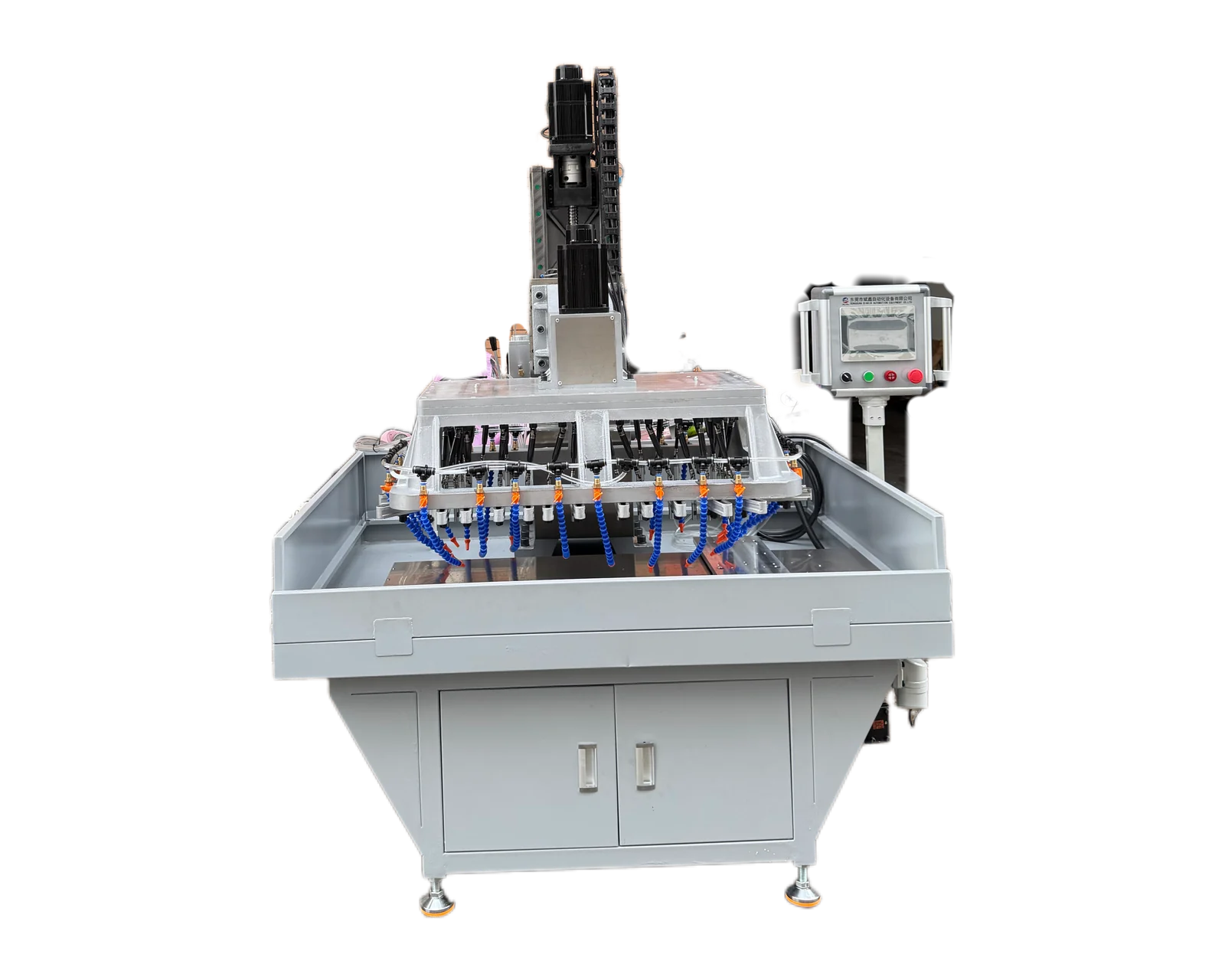
Explore equipment for your inquiry
Dual-Servo Multi-Spindle Drilling & Tapping Machine →Review the published specifications and configuration options against your part drawing before requesting a quote.
Identify the configuration that produced the samples
Begin with the report identifier, date, project reference and applicable trial-plan revision. Identify the component drawing, supplied material record and sample labels. Record the machine, fixture and tooling references needed to distinguish this trial configuration from another. A model name alone may not identify the arrangement that produced the evidence.
Use controlled references instead of copying a large quantity of machine detail into every report. The reader should be able to locate the relevant configuration record and determine whether it changed during the trial. Where a configuration element was provisional, say so. Do not present a temporary arrangement as the production baseline.
Keep checks, observations and decisions separate
The template below describes reporting fields, not measured BINSING results. Populate observations with actual records and units where applicable. Identify the quality team's agreed method reference without inventing inspection instructions. A reviewer should be able to distinguish an original observation from the later assessment of whether it satisfies a requirement.
Preserve the link when the configuration changes
If a trial includes more than one setup, divide its records into identified groups. Link each sample to the configuration that produced it and state what changed between groups. Do not combine observations from different arrangements into one result row merely because the part number is the same. The buyer needs to know which evidence supports the configuration currently being proposed.
For a hypothetical report, samples A01 and A02 may belong to configuration C1, while B01 belongs to a later configuration C2. Keep those relationships visible even if all samples share the same drawing revision. If the buyer receives only B01, identify which additional observations concern other samples and whether those samples remain available for a separately agreed review.
State what the evidence does not yet establish
List requested checks that were not performed, reasons for missing evidence and any conditions that limit interpretation. A check awaiting buyer measurement should remain pending. A short trial record should not be presented as proof of long-term production output, tool consumption or coverage of untested material variants. Any broader conclusion needs its own agreed supporting evidence.
Record observed exceptions directly rather than hiding them in a general conclusion such as satisfactory overall. State the affected samples or features, reference the evidence and assign the follow-up decision. Where further work is proposed, keep that proposal separate from completed observations. This allows purchasing and engineering to understand what can be reviewed now and what remains unresolved.
Make the review package usable outside the trial meeting
Create an attachment index with each file's identifier, revision, purpose and related sample or configuration. For a photograph, state what it shows; for a measurement sheet, identify the samples it covers. Refer to relevant pages or marked views when a file contains several records. Preserve superseded report versions with clear status so later readers do not confuse a draft with the reviewed package.
For a BINSING inquiry, email the drawing and the evidence your team expects to receive from a proposed trial. Explain who will review results and which attachments are necessary for that review. Agree the report content with the trial scope before relying on it for a purchasing decision. Acceptance remains tied to separately agreed criteria and authority.