Explore equipment for your inquiry
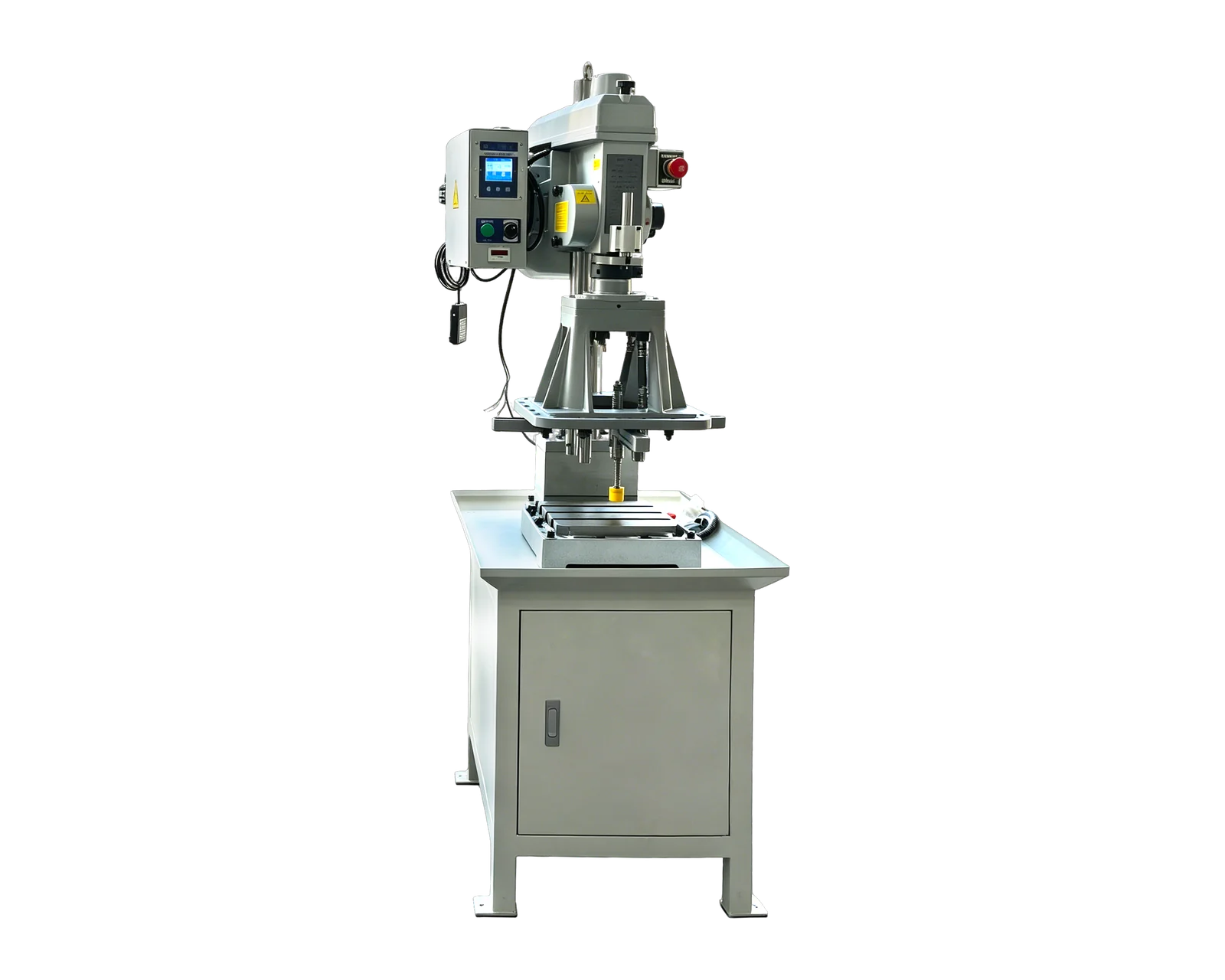
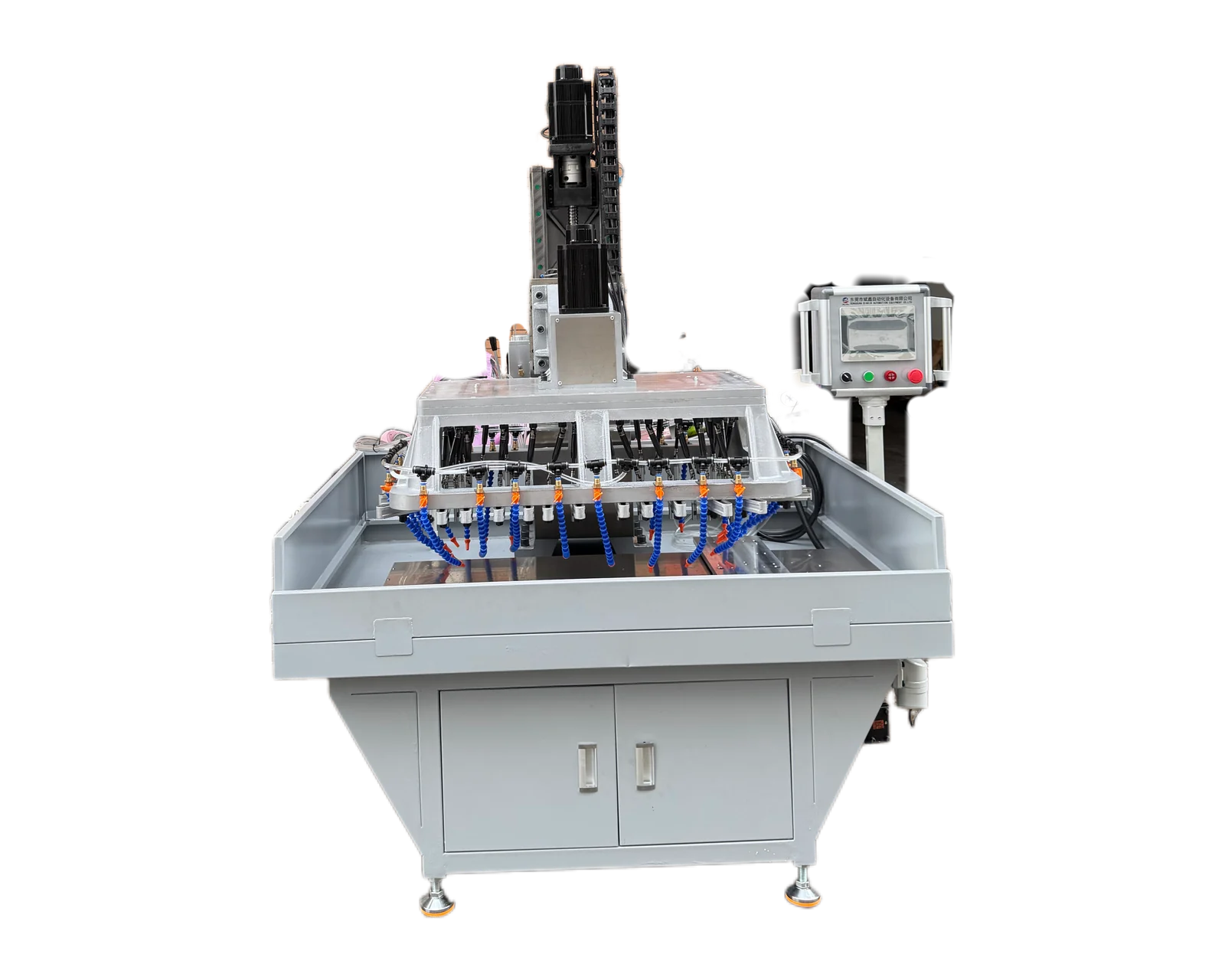
Servo Traverse Multi-Spindle Drilling & Tapping Machine →Review the published specifications and configuration options against your part drawing before requesting a quote.
Start with the feature being compared
A trial report saying the hole passes may not answer the buyer's question if the supplier checked a different feature, depth or part condition. Identify the drawing revision and feature reference on the comparison plan. State the required result and which agreed method will establish it. Keep visual observations, dimensional readings and attribute checks distinguishable in the record.
Ask the buyer's and supplier's quality representatives to review the plan before samples travel. Purchasing should coordinate the required information without inventing a measurement procedure. The aim is a shared interpretation of the evidence needed, including any uncertainty about the proposed method. This is narrower than the complete machine acceptance plan and supports it.
Record enough detail to compare like with like
The example below provides fields for discussion rather than prescribing gauges or measurement conditions. Populate them using the actual component requirements and the quality teams' approved approach. Where two sites use different equipment, record that difference and ask how comparability will be established instead of simply labeling the methods equivalent.
Keep sample condition connected to the result
A sample can change condition between the supplier's measurement and the buyer's review. Record its machining stage, cleaning or subsequent processing status and any observed damage. If a later operation is intentionally performed before the second check, identify it. A comparison involving different process stages needs an explicit explanation rather than being presented as repeated measurements of an unchanged component.
Assign durable sample references using the agreed identification method and keep photographs or sketches that locate the inspected features. Where a group contains several similar components, preserve the link between each part and its result sheet. Otherwise a disagreement may reflect different samples rather than different measurement systems, and neither side can reconstruct the comparison confidently.
Investigate differences without replacing the original evidence
In a hypothetical trial, the supplier records an acceptable thread check while the buyer reports a different outcome on the labeled sample. Begin by matching the part revision, feature, gauge references and agreed method. Record who made each observation and when. Preserve the original reports even if a later clarification explains the difference; they show which conditions prompted the review.
Create a discrepancy entry containing the two observations, known differences, unresolved questions and agreed next evidence. The responsible quality teams should decide whether another check, method clarification or further investigation is appropriate. Avoid selecting a convenient result or informally changing the acceptance requirement. Any approved change should be recorded separately from the measurement observations that led to it.
Include comparison responsibilities in the trial scope
Confirm who supplies gauges, who prepares the result sheets and whether samples or equipment must be returned. Identify required files and the contact responsible for reconciling differences. If the project needs a buyer-supplied gauge, agree its identity, condition records and availability before scheduling the relevant activity. Do not assume that a general inspection statement includes every requested comparison task.
For a BINSING discussion, email the feature list and your proposed quality records with the machine inquiry. Highlight characteristics for which the two sites currently use different methods. A focused measurement discussion helps define useful trial evidence while leaving technical judgments with the responsible quality specialists and keeping any additional equipment or documentation requests visible in the quotation.