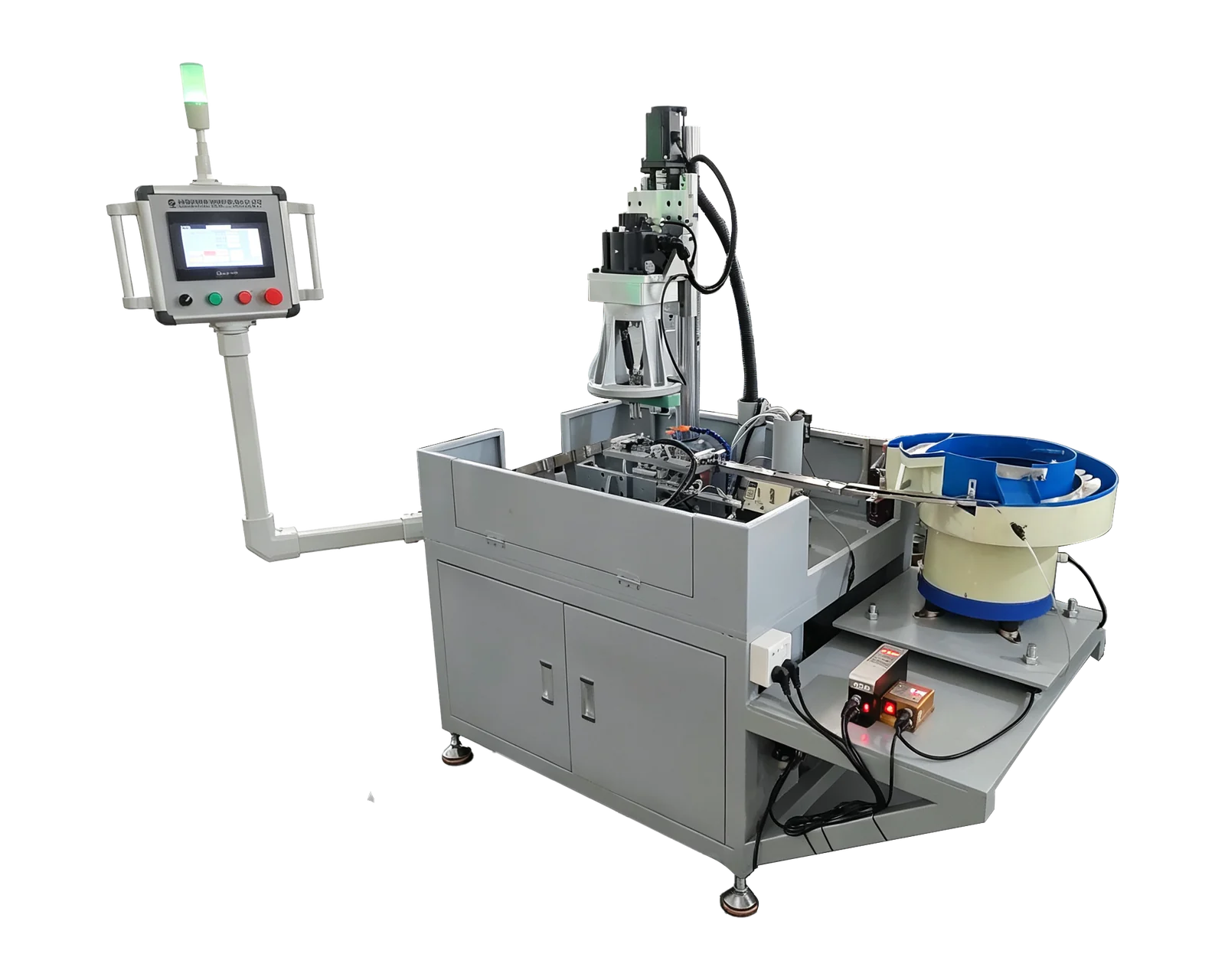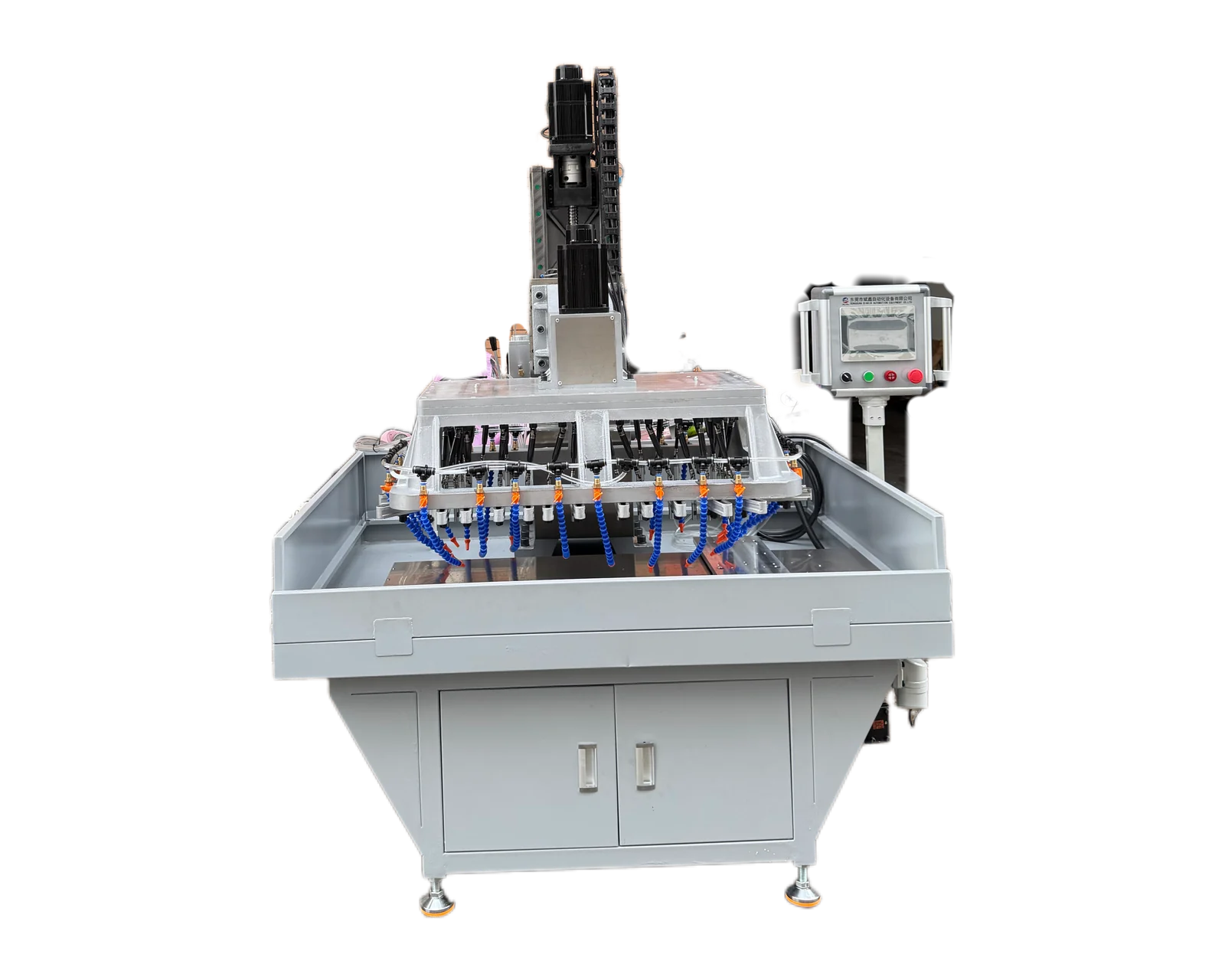
Explore equipment for your inquiry
Servo Traverse Multi-Spindle Drilling & Tapping Machine →Review the published specifications and configuration options against your part drawing before requesting a quote.
1. Build the visit around questions that need witnesses
A factory visit can consume considerable time without settling the buyer's important questions. List what your team needs to observe in person and why attendance adds value. Separate an introduction to the proposed arrangement from a demonstration intended to support a defined requirement. Give each agenda item a sample reference, expected record and responsible reviewer rather than relying on an informal tour.
Agree the proposed agenda with the host before travel. Confirm what configuration and representative parts will be available, which documents participants should read and which topics require another specialist. Attendance does not make an incomplete setup equivalent to the final delivered configuration. Record any limitation in advance so the team can decide whether the visit still addresses its intended purpose.
2. Assign observation, recording and decision responsibilities
Use an agenda that distinguishes the person presenting an item from the person recording evidence and the person authorized to review it. The following is a proposed coordination template. Actual demonstration activities and site arrangements remain subject to agreement with the host; the table is not an instruction for operating or intervening in equipment.
3. Put decision checkpoints into the agenda
A review checkpoint is a planned pause in the meeting agenda to examine whether the next item remains useful. It is not a machine control function or permission for a visitor to direct operation. For example, the group may first reconcile sample identities before deciding which planned comparison can be discussed. The host retains responsibility for its operating arrangements.
In a hypothetical visit, one requested part revision is missing from the sample set. The buyer and host could agree to observe the available revision while leaving the other question open. Record that narrower scope at the checkpoint. This invented example illustrates a decision record; it does not establish that observing one version proves performance for another version.
4. Keep observations separate from interpretations
Designate one record keeper to connect agenda items, part identities and the documents presented. Other participants can contribute observations, but the final notes should make their source clear. If photographs or recordings are requested, agree permission and intended coverage before the visit. A collection of images without references cannot reliably explain which requirement the group actually reviewed.
Distinguish what was directly observed from explanations offered during discussion and conclusions awaiting document review. Where participants disagree, retain both interpretations with the evidence needed to resolve them. Do not ask the record keeper to turn disagreement into a single positive statement merely to close the meeting. The trial report can later organize the results without changing this observation boundary.
5. Finish with decisions that can be carried back to the buyer
Before leaving, review the evidence list, identify missing records and assign follow-up owners. State which conclusions the attending team can make and which require another buyer reviewer. Agree how corrections to the meeting notes will be handled. A witness signature should have an explicit purpose, such as acknowledging attendance or receipt of notes, rather than an undefined meaning.
For a BINSING trial discussion, email the application drawing, proposed witness questions and participant roles before arranging a visit. Request confirmation of feasible agenda items and any preparation needed from your team. Keep the witness plan attached to the trial objective so the meeting produces usable decisions rather than an assumed approval of unspecified machine capabilities.