Explore equipment for your inquiry
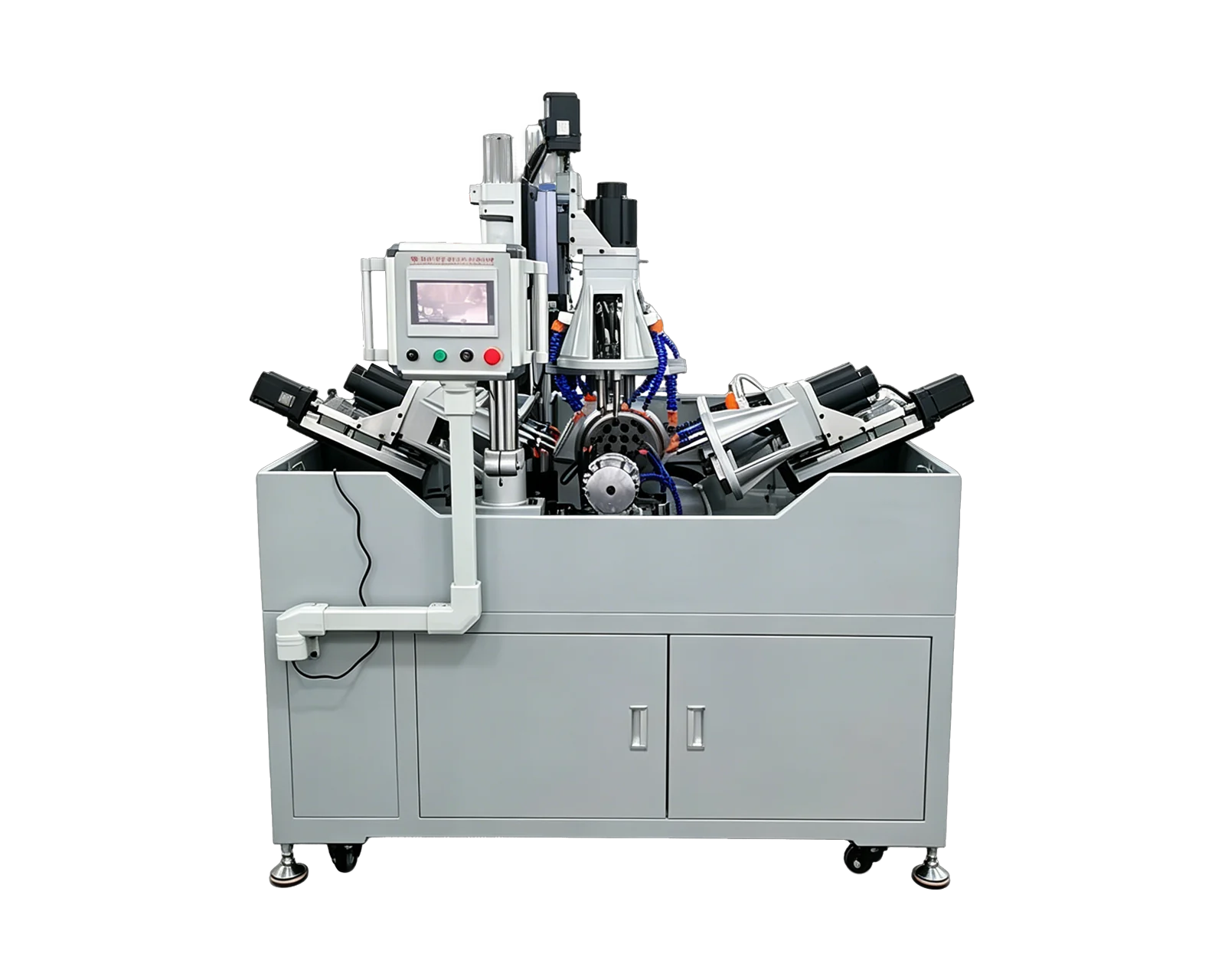
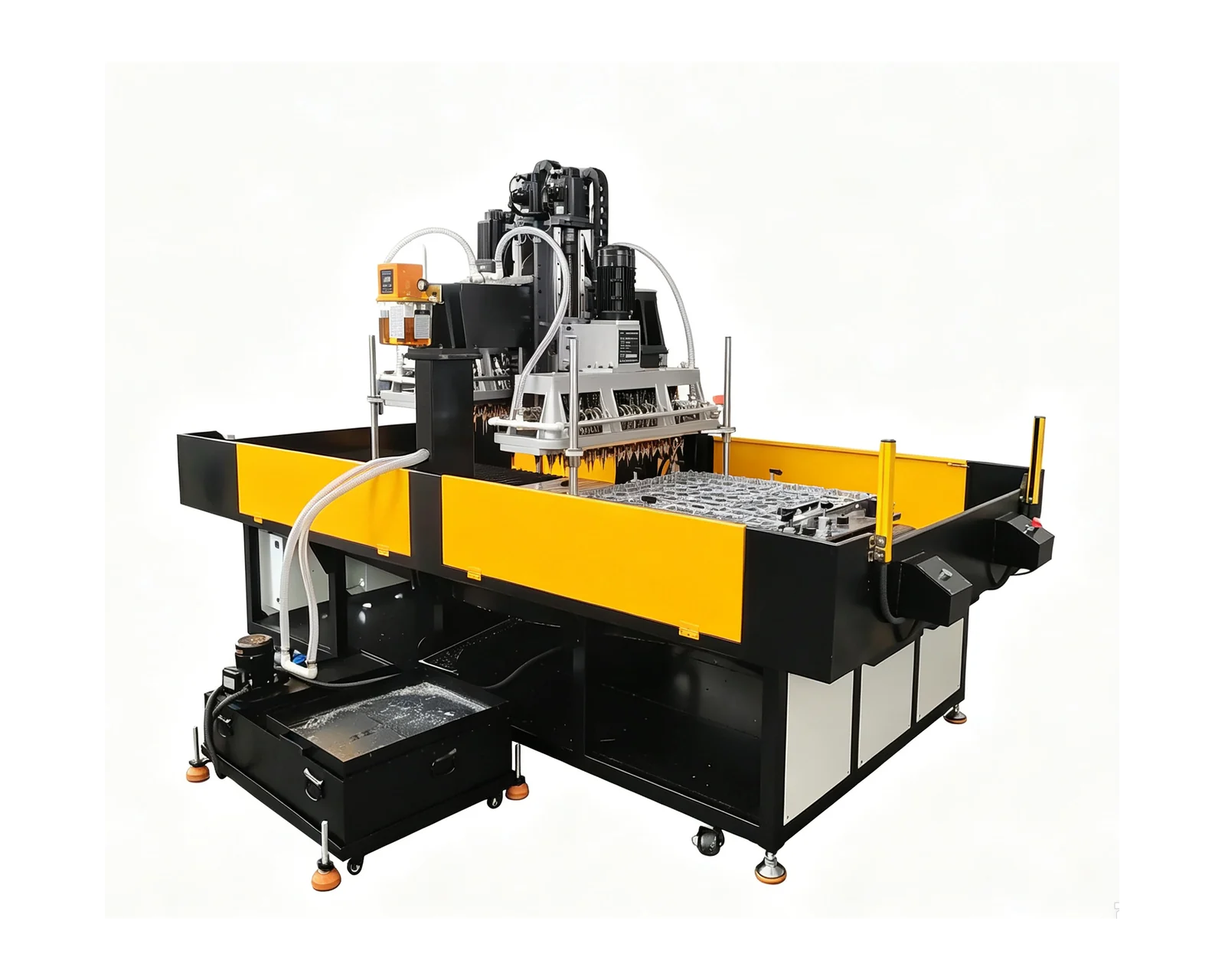
Dual-Servo Multi-Spindle Drilling & Tapping Machine →Review the published specifications and configuration options against your part drawing before requesting a quote.
Make the hidden underside visible to the fixture reviewer
Photographs of the exterior often omit the underside that meets a fixture. Supply that view together with sections through ribs, bosses and the cover rim. Mark the drawing references, prepared surfaces and regions that must remain untouched. Keep casting features visible rather than smoothing them away in a presentation model intended only to show the finished appearance.
NADCA's die-casting FAQ explains that ejector pins push the casting from the die. That manufacturing function does not qualify an ejector-mark area as a machining datum. Treat its actual location and condition as an incoming-workpiece input, then let the workholding review determine whether the proposed contact arrangement is compatible with the controlled part requirements.
Separate locating references from supporting contacts
Ask the fixture concept to identify which contacts establish the part position, which support it and which apply clamping. The finished drawing remains the basis for the required feature relationships. If the proposed fixture uses a different temporary reference, request an explanation of how the relevant relationships are produced and verified rather than accepting the change because loading appears easier.
A rib may provide clearance information, a possible support region or neither, depending on the actual geometry and requirements. Record its permitted condition and the intended contact role explicitly. Avoid asking a single photograph to establish that a rib is consistently positioned or that a thin cover can be clamped there without affecting the accepted released shape.
Build a cover contact and clearance register
This original register is more specific than a general casting-supply checklist: it links local casting features to the proposed fixture. Use drawing identifiers and include the limits or evidence that control each contact. Unresolved entries become review items before the fixture design is finalized.
Use repeated loading to examine the proposed reference
Consider a hypothetical cover that seats differently when a local casting feature meets a fixture contact. Preserve the part identity, contact map and observation instead of immediately changing the fixture around that single piece. Ask the casting and fixture reviewers whether the sample is within the accepted incoming condition and which controlled change, if any, is appropriate.
A useful evaluation can include repeated loading of identified samples under the agreed procedure and measurement of the required feature relationships after release. The quality owner should choose the sample coverage and acceptance method. Include representative cavity or lot identities where relevant. Repeated loading of one selected cover provides different evidence from evaluating variation across the approved supply.
Preserve the contact assumptions when casting details change
Changes to an ejector arrangement, rib, trimming route or prepared reference may leave the overall part envelope looking similar. Compare those changes with the contact register before treating the old fixture assessment as current. Keep the cast-component revision and machining-stage revision together so the purchasing team can identify which combination the proposed equipment covers.
For a BINSING inquiry, send the finished and incoming drawings, underside views, contact restrictions and representative castings. Request a workholding and access review for the actual drilling and tapping features. The catalog platform is a discussion starting point. The deliverable to seek is a fixture concept with explicit local contacts and a trial plan connected to released-part inspection.