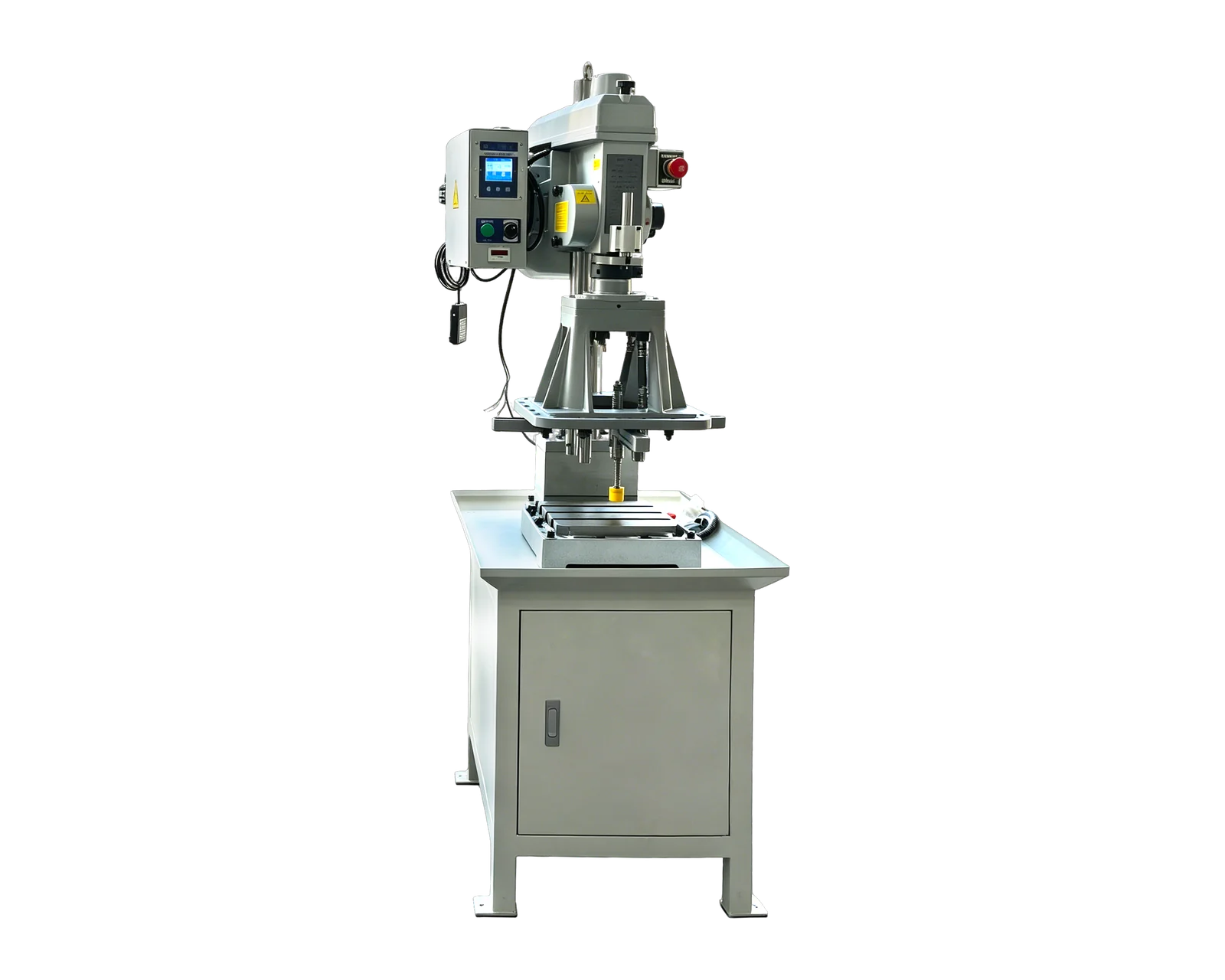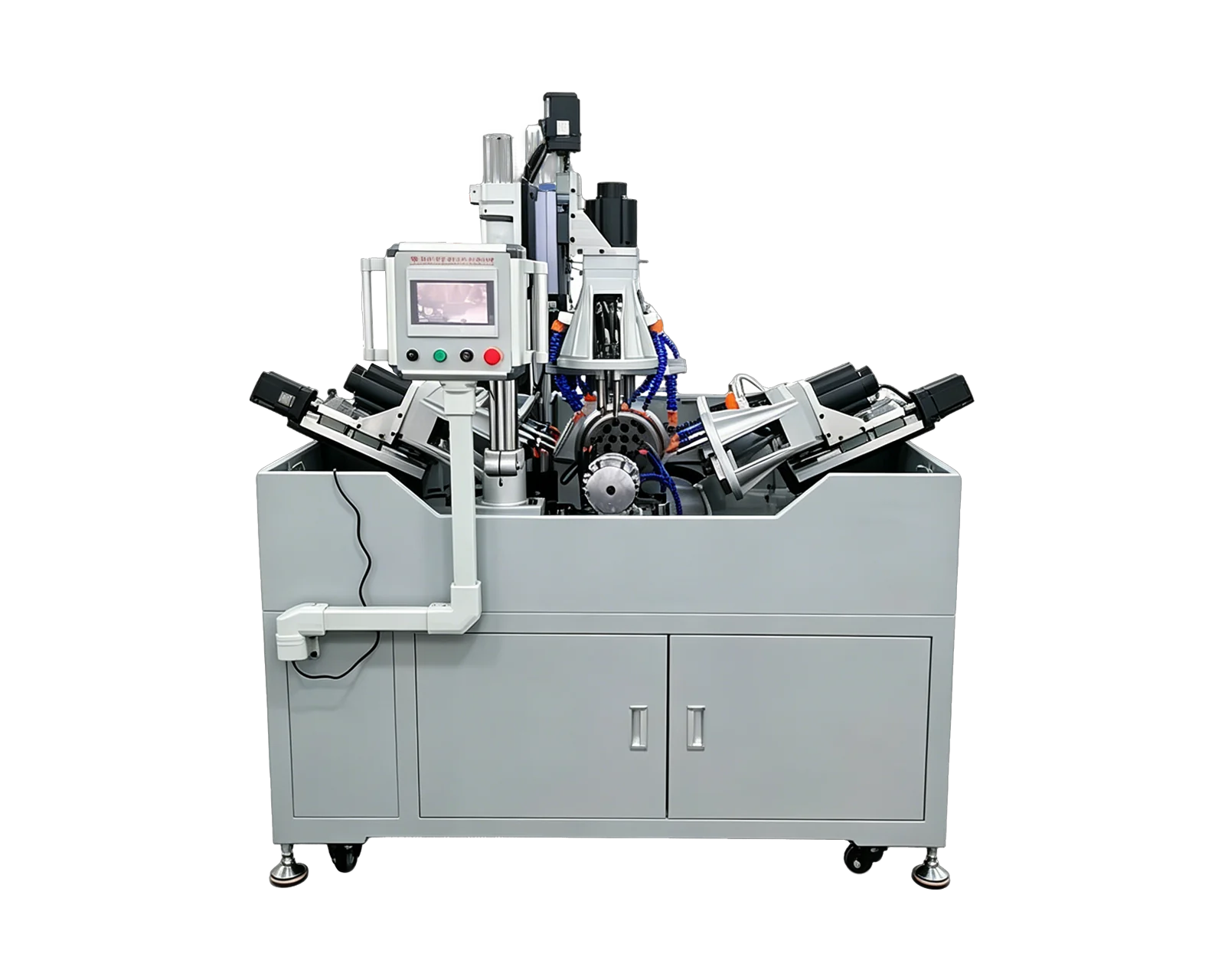
Explore equipment for your inquiry
Dual-Servo Multi-Spindle Drilling & Tapping Machine →Review the published specifications and configuration options against your part drawing before requesting a quote.
1. Quote a body component with a defined incoming state
The phrase door closer body can describe an empty component, a partly processed housing or an assembled item. State exactly what arrives at the proposed machining station. Supply its component number, revision, material specification and manufacturing stage. Include views of the actual part and identify any installed items that remain present during the requested work.
An external illustration of the finished closer provides useful context but cannot identify the full machining boundary. Provide controlled component information that distinguishes mounting features from existing internal structures. If a relevant internal detail is unavailable, identify the missing information rather than assuming that an outside view gives enough evidence for process and fixture review.
2. Separate external mounting features from existing internals
Give each requested feature an identifier and a complete drawing reference. Assign the internal features to their actual process owner even when they are outside the new equipment scope. The supplier needs to understand what must arrive complete and what must be preserved, without being asked to infer responsibility for the finished door closer.
3. Make handed versions visible in the inquiry
Avoid relying on the labels left and right without a controlled viewing direction. Mark the reference face and show the part orientation used for each drawing. Identify whether the versions differ only in a mounting pattern or also in incoming features and external form. Record the quantity and typical batch size for each version so that a shared-machine proposal can address the actual production mix.
Ask the supplier to list the versions included and explain the assumed changeover scope. A sample of one body should be tied to that body alone unless additional coverage has been reviewed. If the same external shape carries different internal revisions, identify those revisions explicitly; visual similarity does not establish that the same incoming condition or preservation requirements apply.
4. Resolve component and assembly evidence separately
Hypothetical purchasing example: a buyer provides an empty body for a mounting-hole trial, while the proposed production flow would present a partially assembled body. The drawing of the mounting holes has not changed, but the incoming item has. Record the difference and review the proposed production condition before treating the empty-body result as a completed demonstration of the intended process.
The buyer may instead define the new operation at the empty-body stage and assign later assembly to another process. Either decision should be reflected in the quotation, sample labels and acceptance record. This example does not describe a BINSING customer installation, recommend reworking assembled closers or establish door-closing performance. Its purpose is to prevent a component trial from silently becoming evidence for a different assembly state.
5. Agree the machining handover and remaining responsibilities
For the defined incoming state, specify the hole and thread checks and the condition required at handover. Where the part contains openings or existing internal features, ask who defines and verifies the outgoing cleanliness requirements. Name any checks performed by another process owner after machining. These responsibilities should be explicit without prescribing an unreviewed cleaning method or assuming that a particular handling feature is supplied.
Email BINSING the body drawings, marked mounting features, version table and incoming-stage photographs. Ask for a proposal that names the supported scope and unresolved requirements. Finished closer function, installation suitability and any applicable product approval remain separate requirements owned by the responsible product team. A machining proposal and trial should report the specific component operations demonstrated and avoid implying broader product performance from those results.